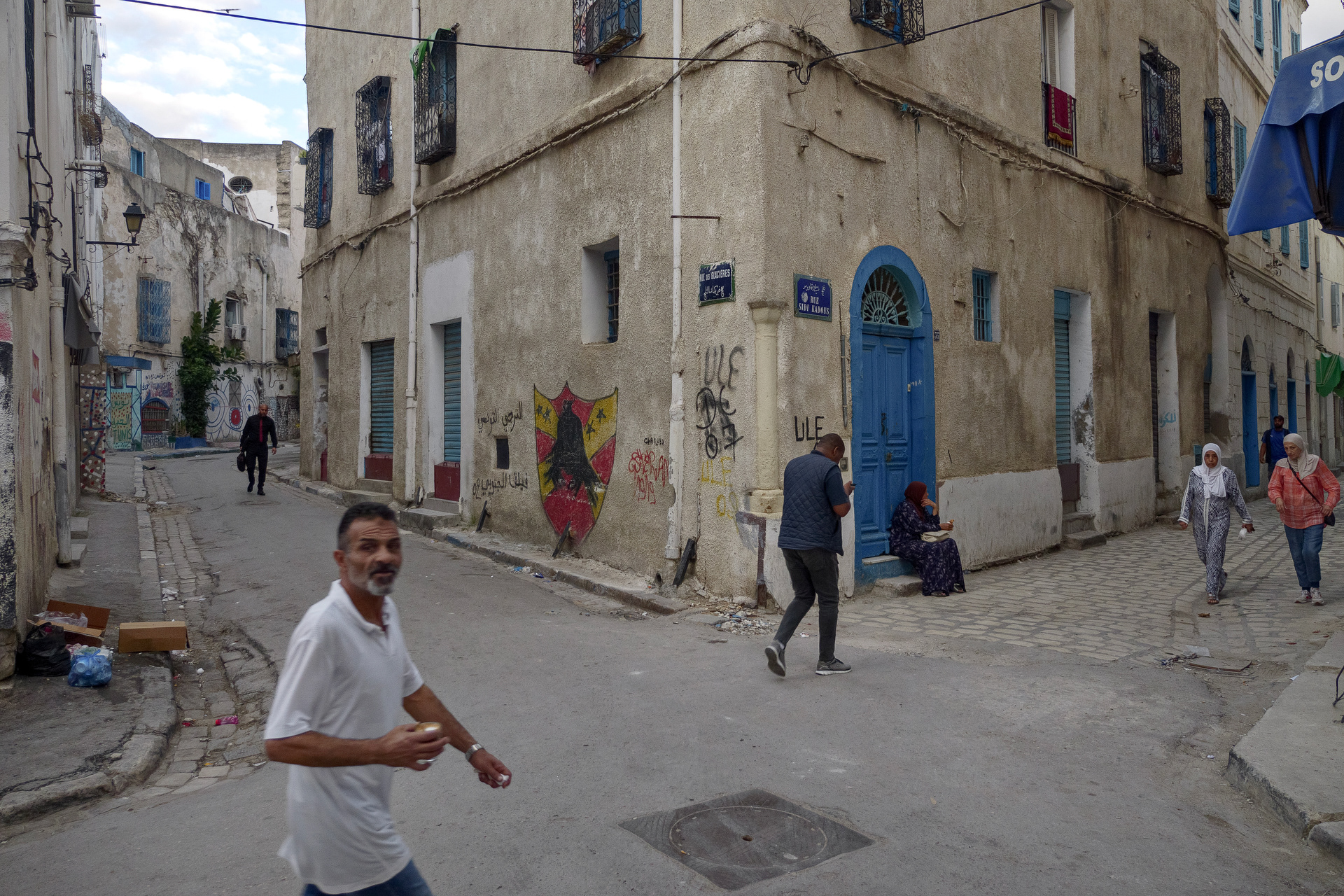
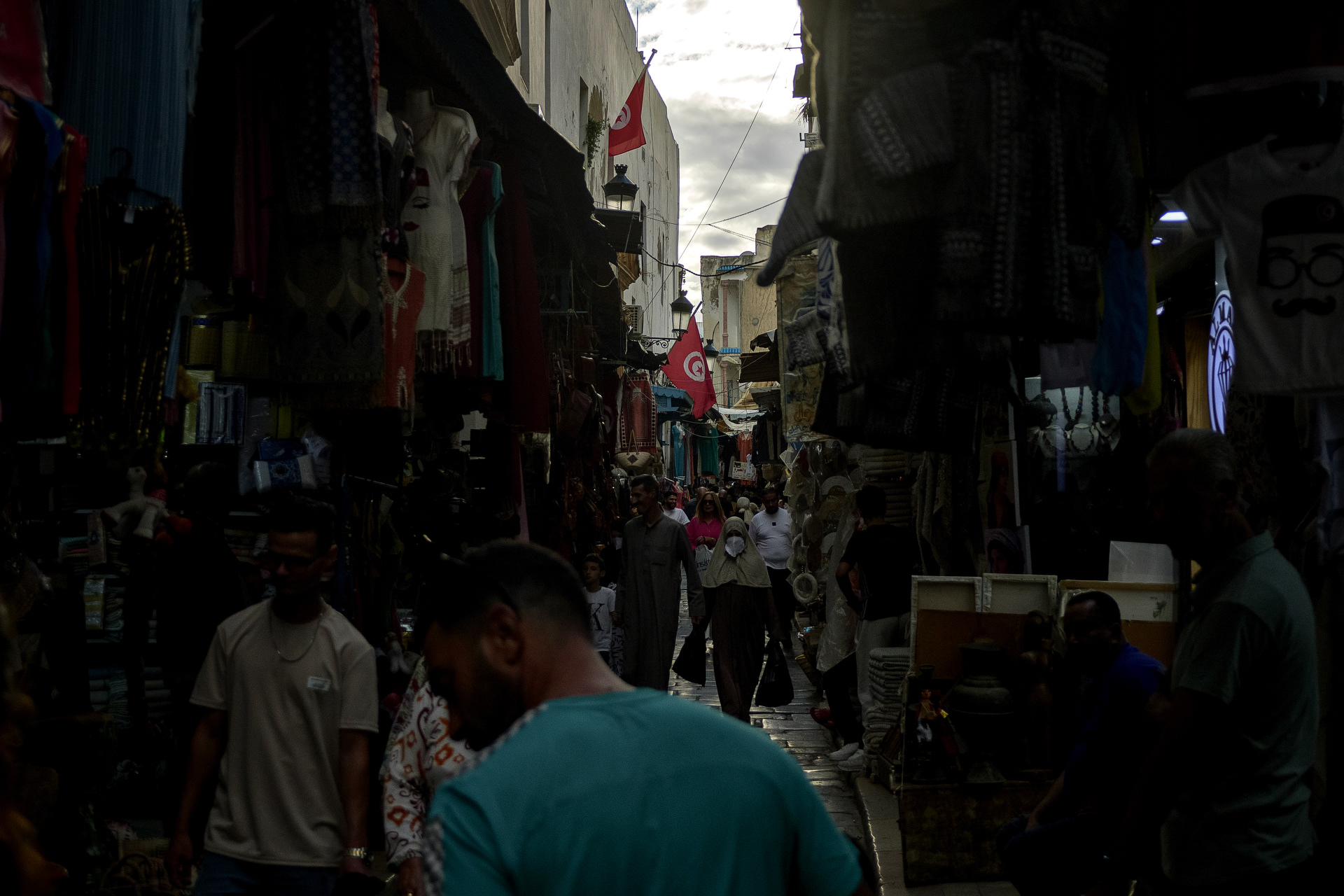
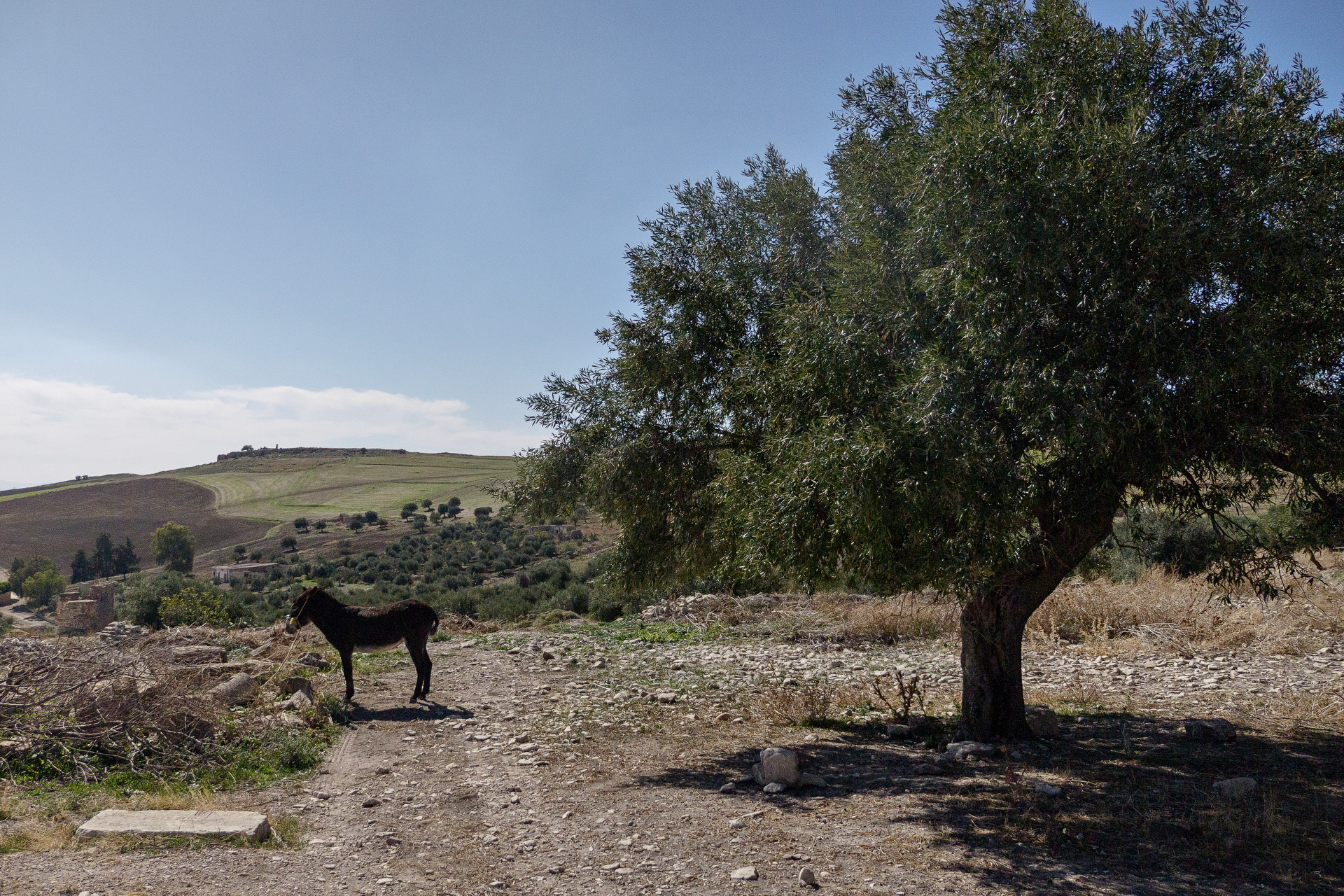
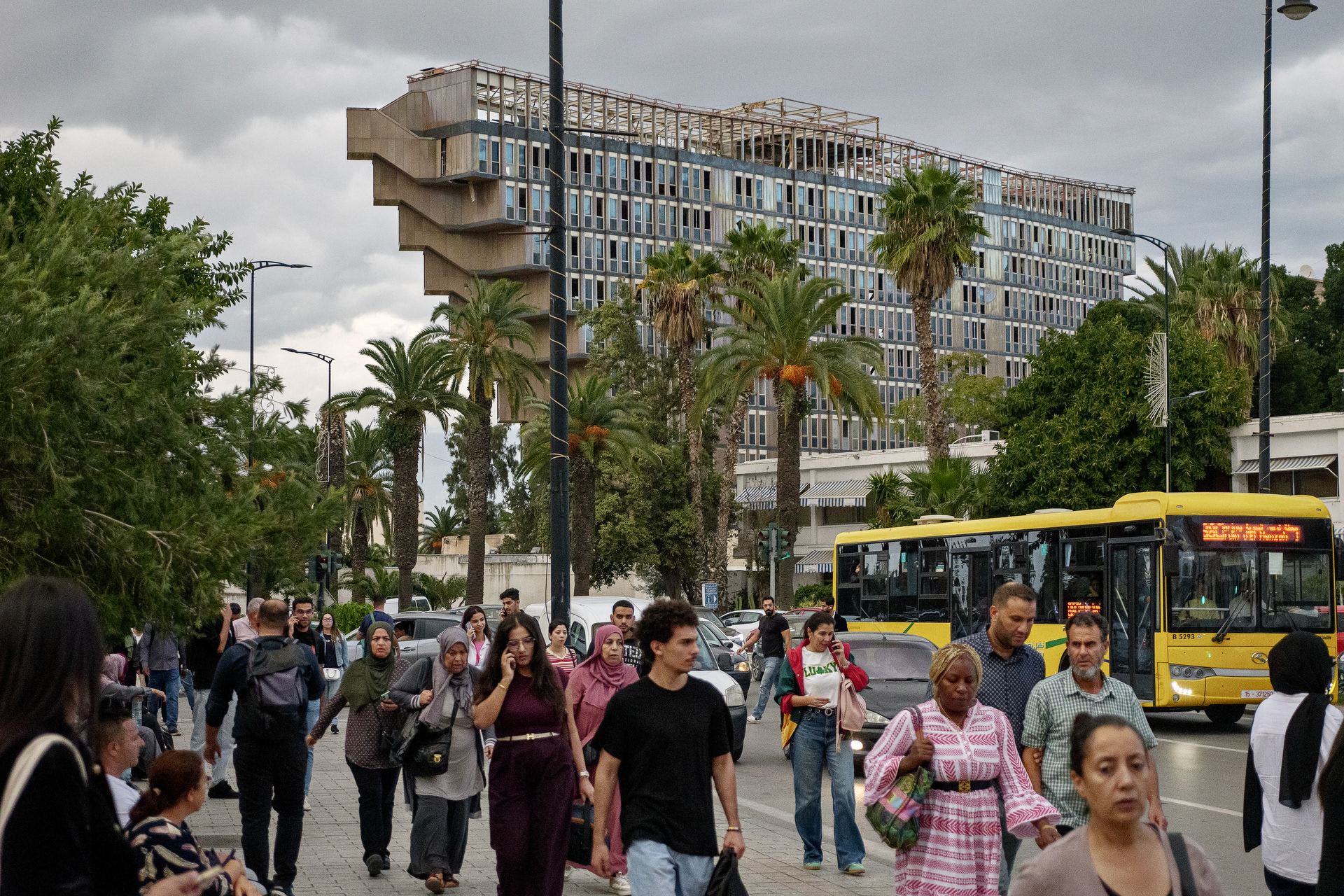
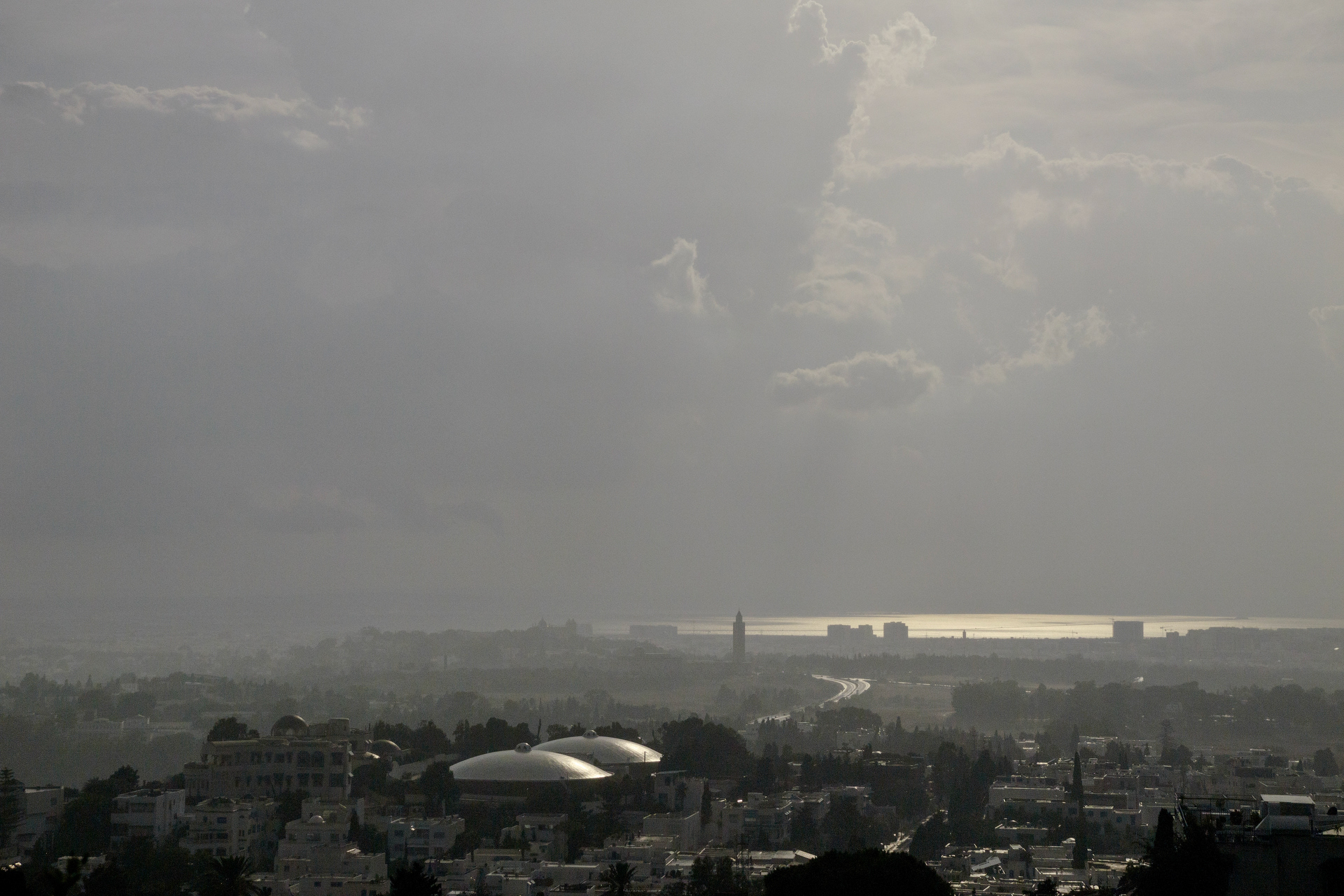
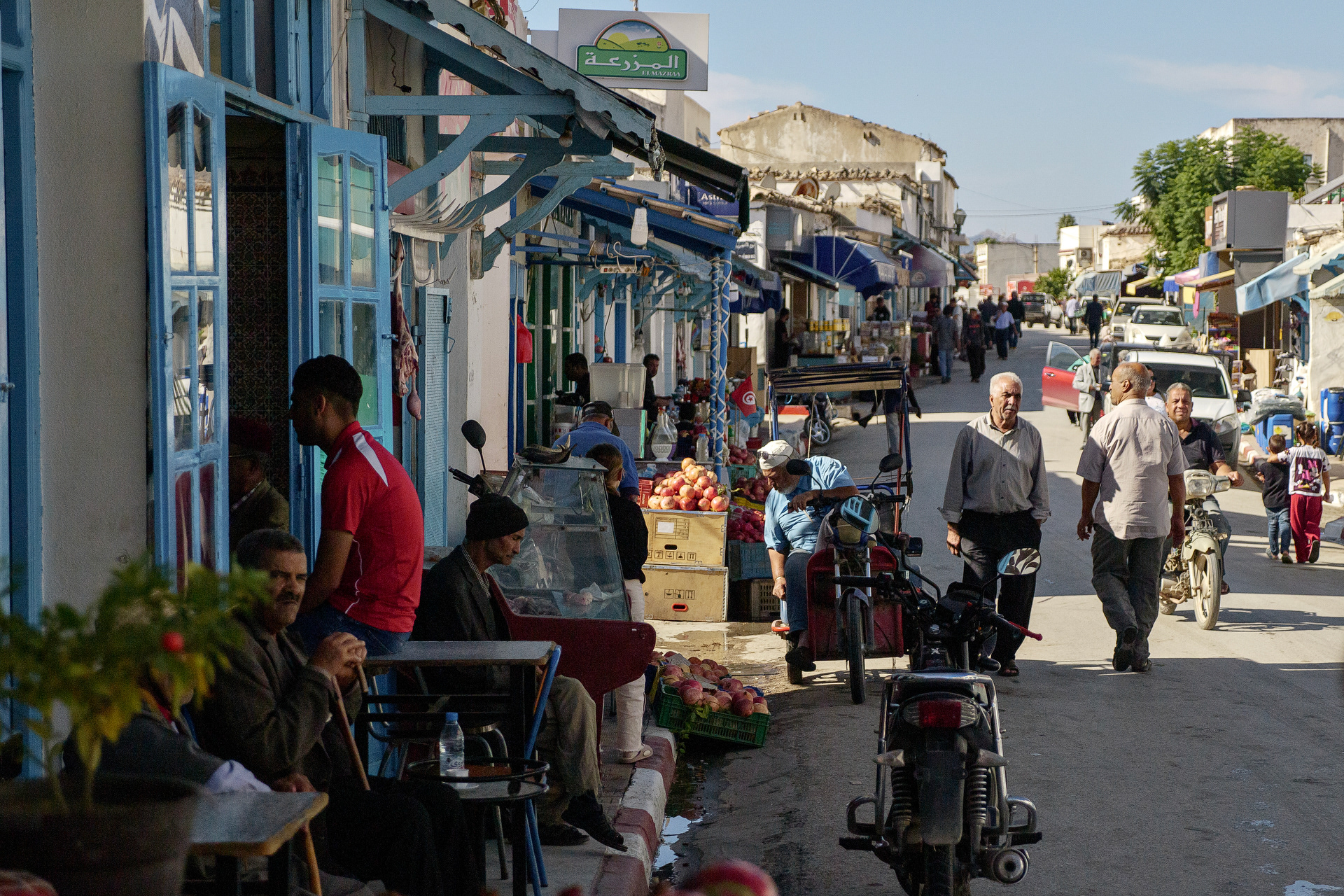
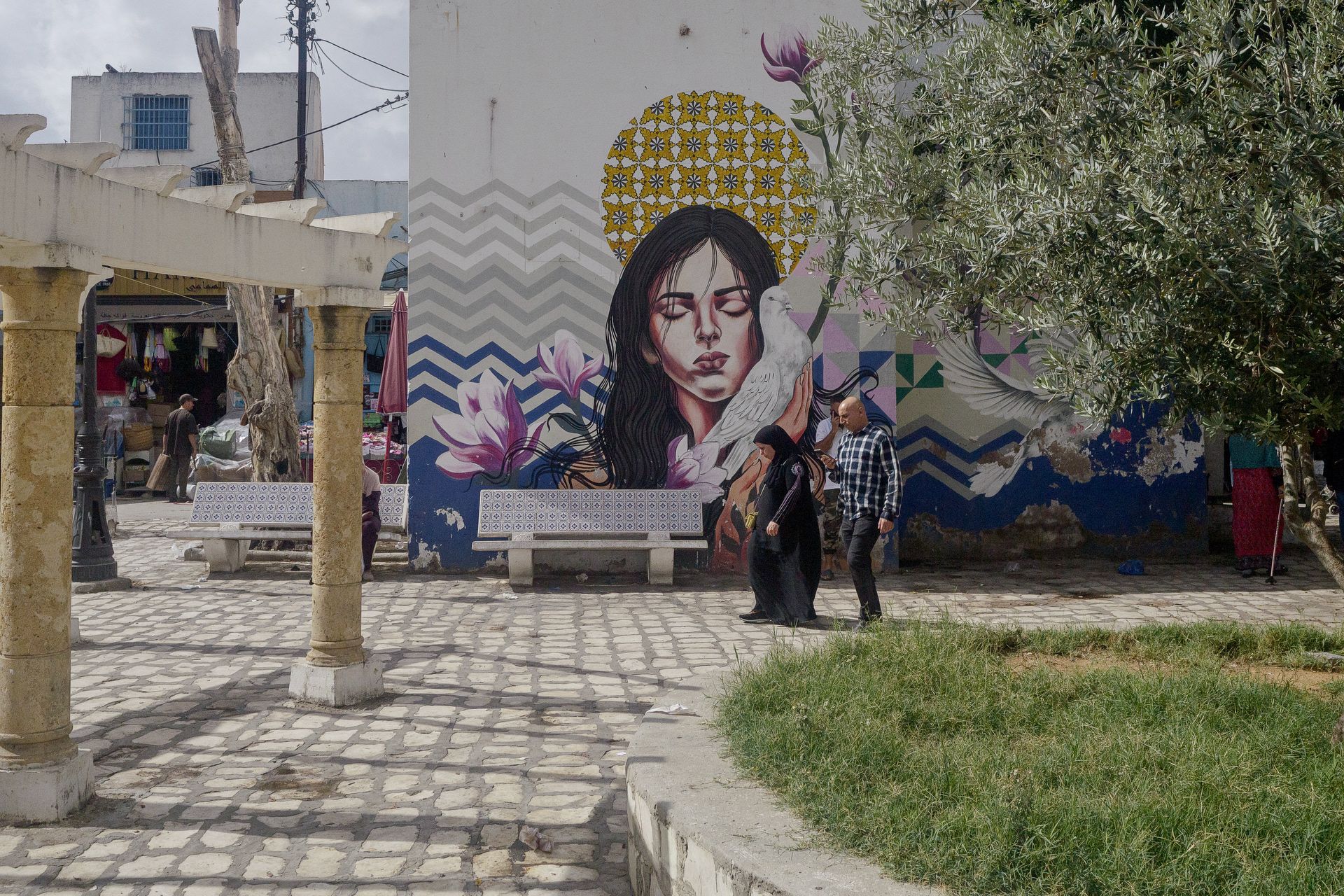
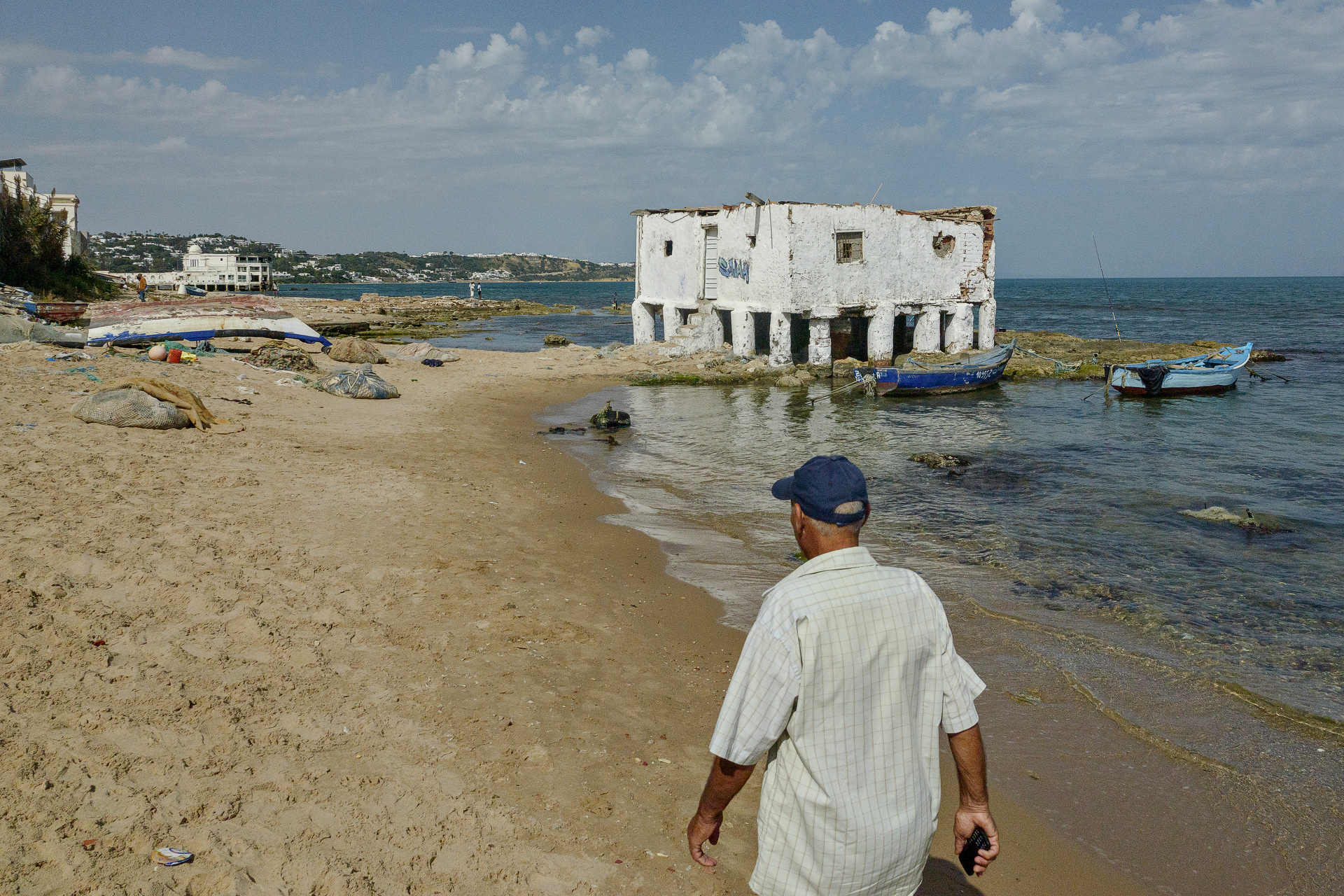
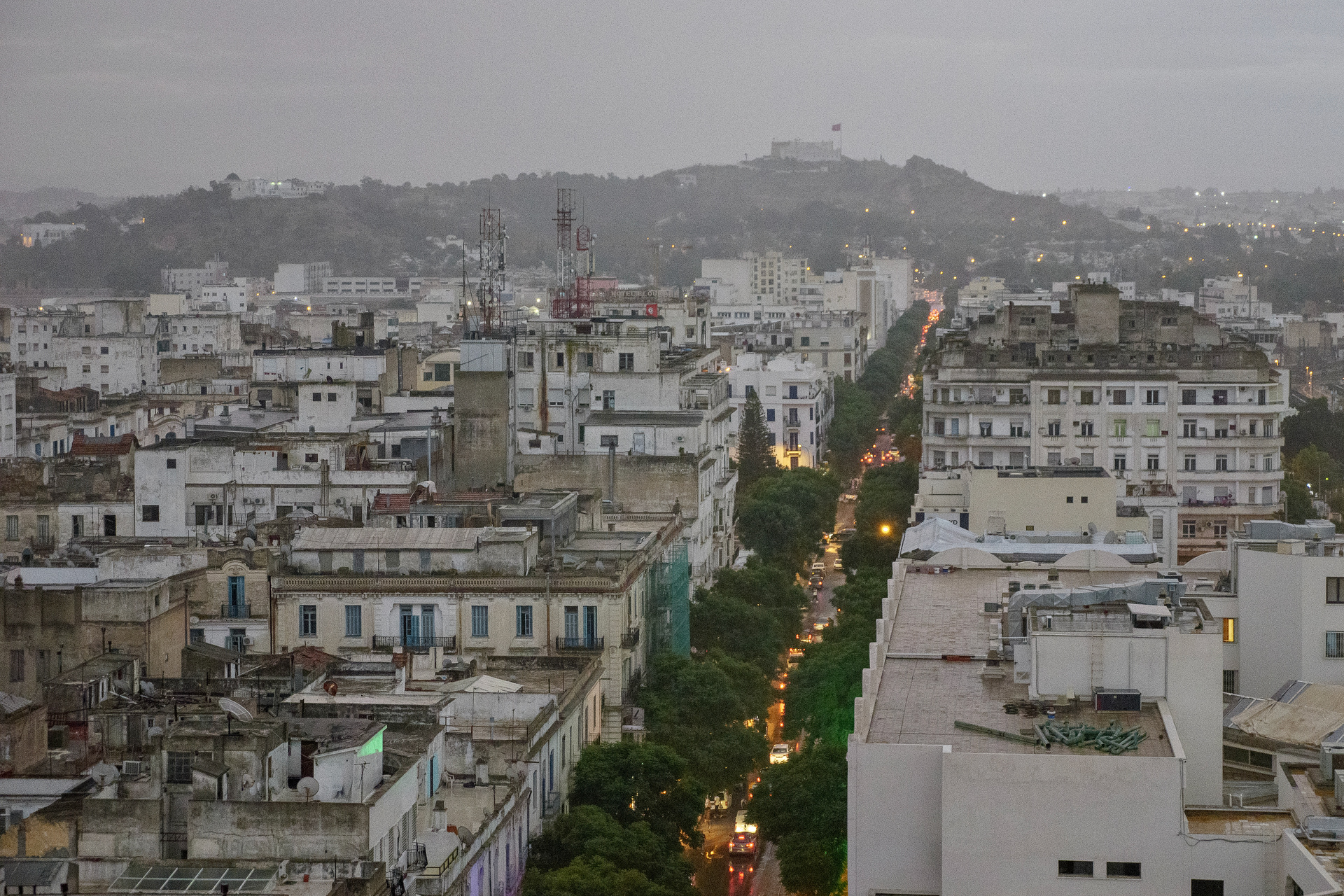
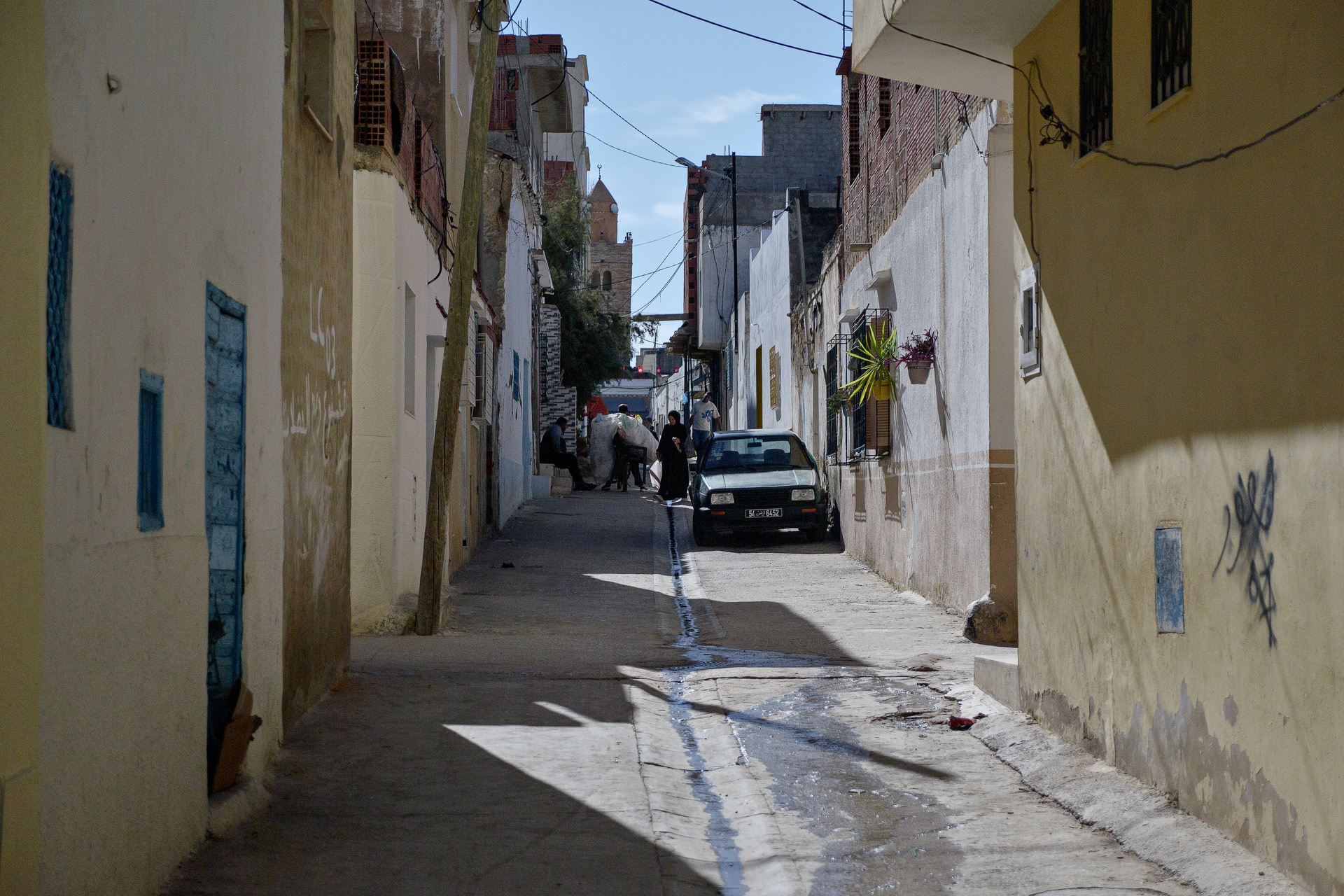
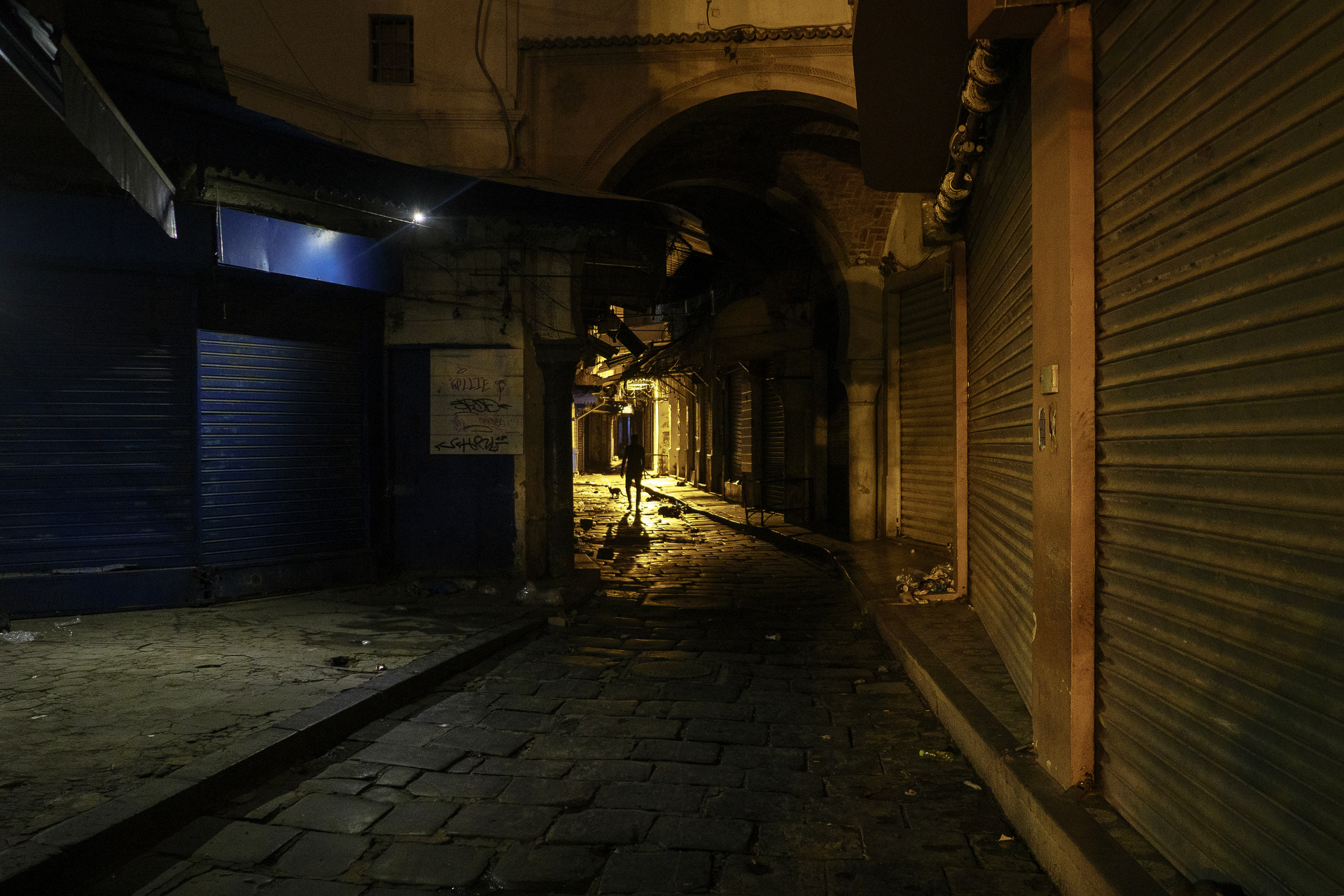
The Arab Spring began in 2010, when a street vendor in Tunisia set himself on fire in protest against poverty, corruption, and the lack of political freedom. His act became a powerful symbol of widespread frustration across the Middle East and North Africa and triggered a wave of protests and uprisings throughout the region.
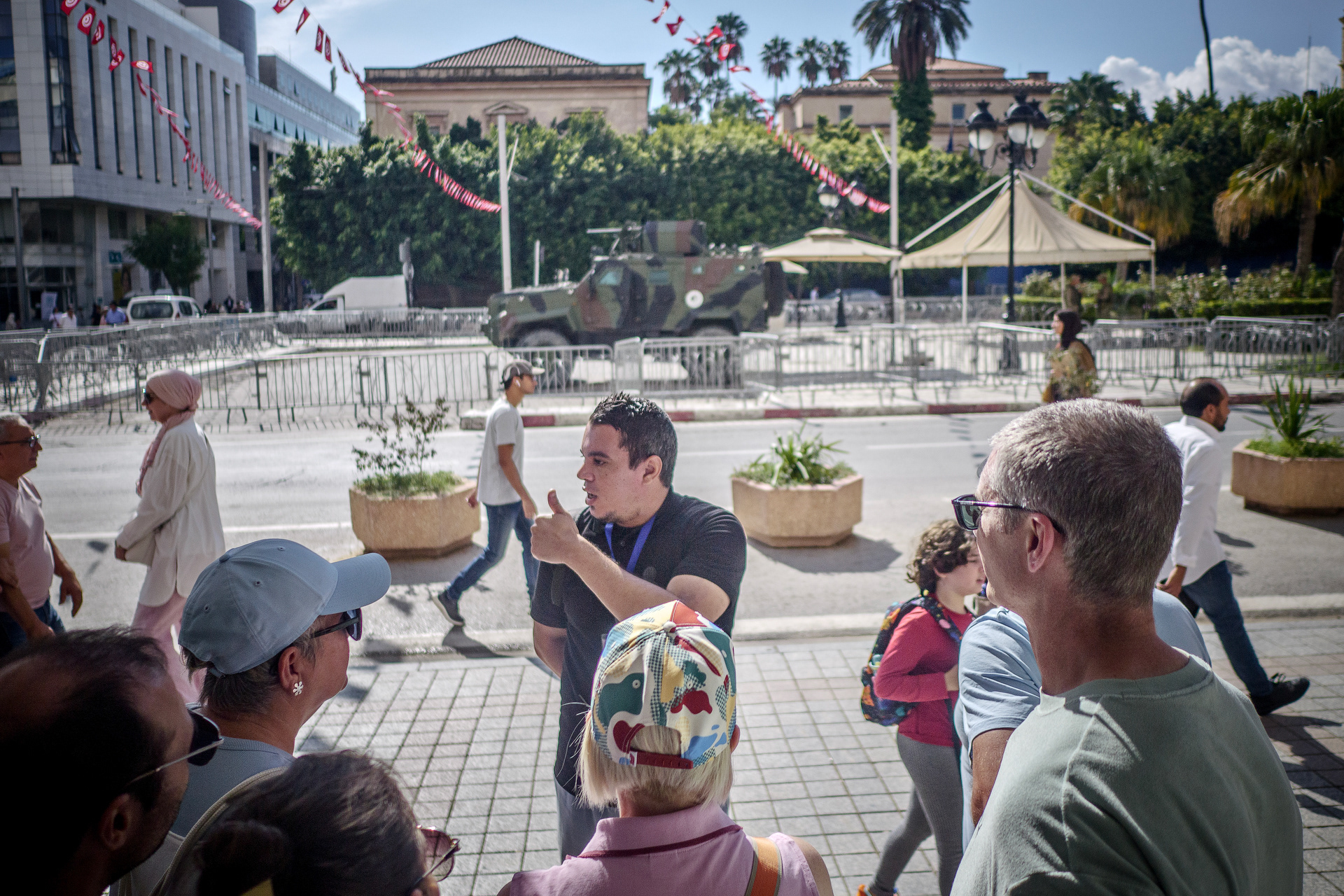
In some countries, the protests quickly led to the fall of long-standing regimes, while in others they were met with violent repression, civil war, or renewed authoritarian rule. Despite the initial optimism, the Arab Spring largely failed to bring lasting freedom or stability. For many years, Tunisia was seen as the sole success story, where democratic reforms appeared to take hold, but even there recent developments have pointed toward a return to authoritarianism.