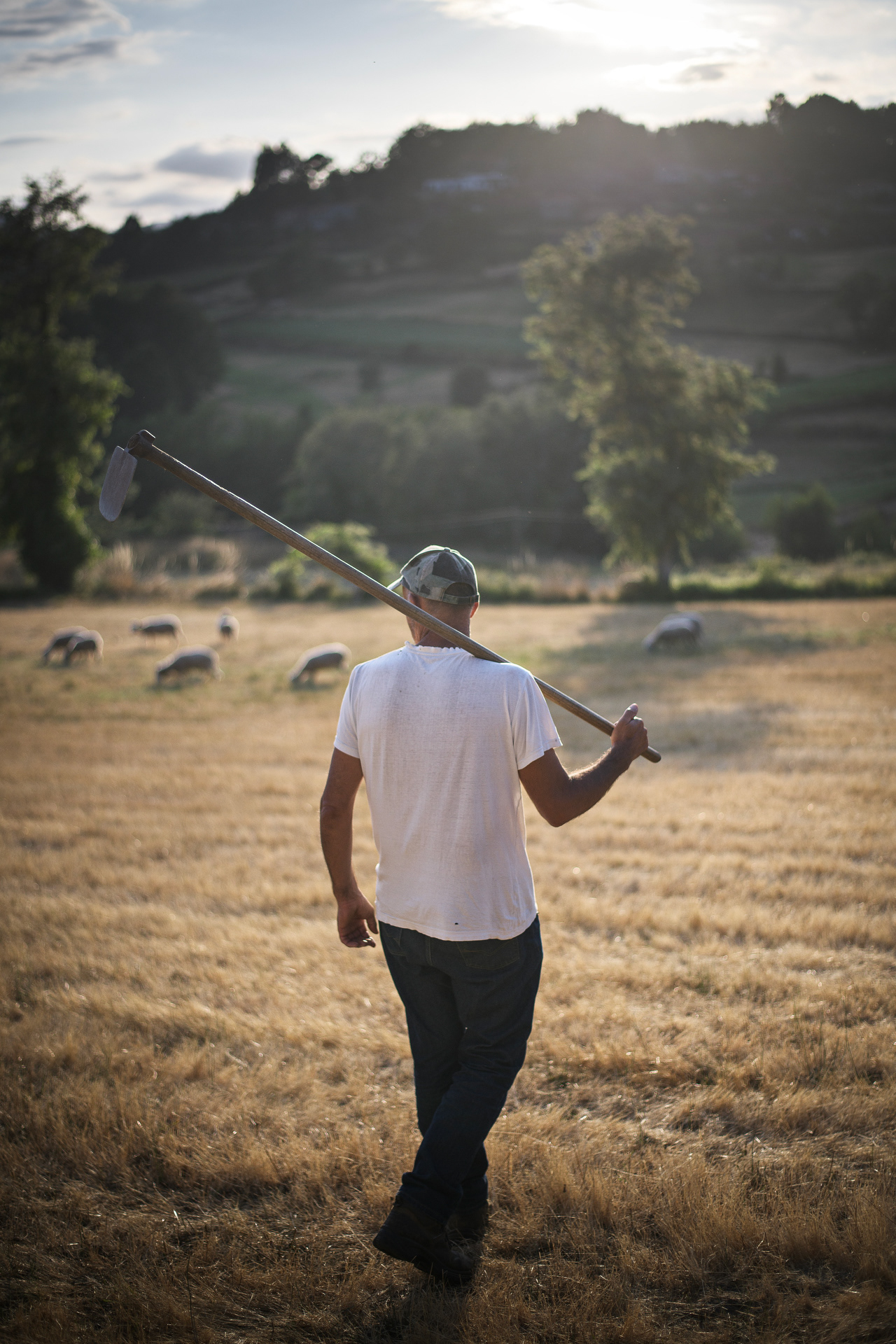
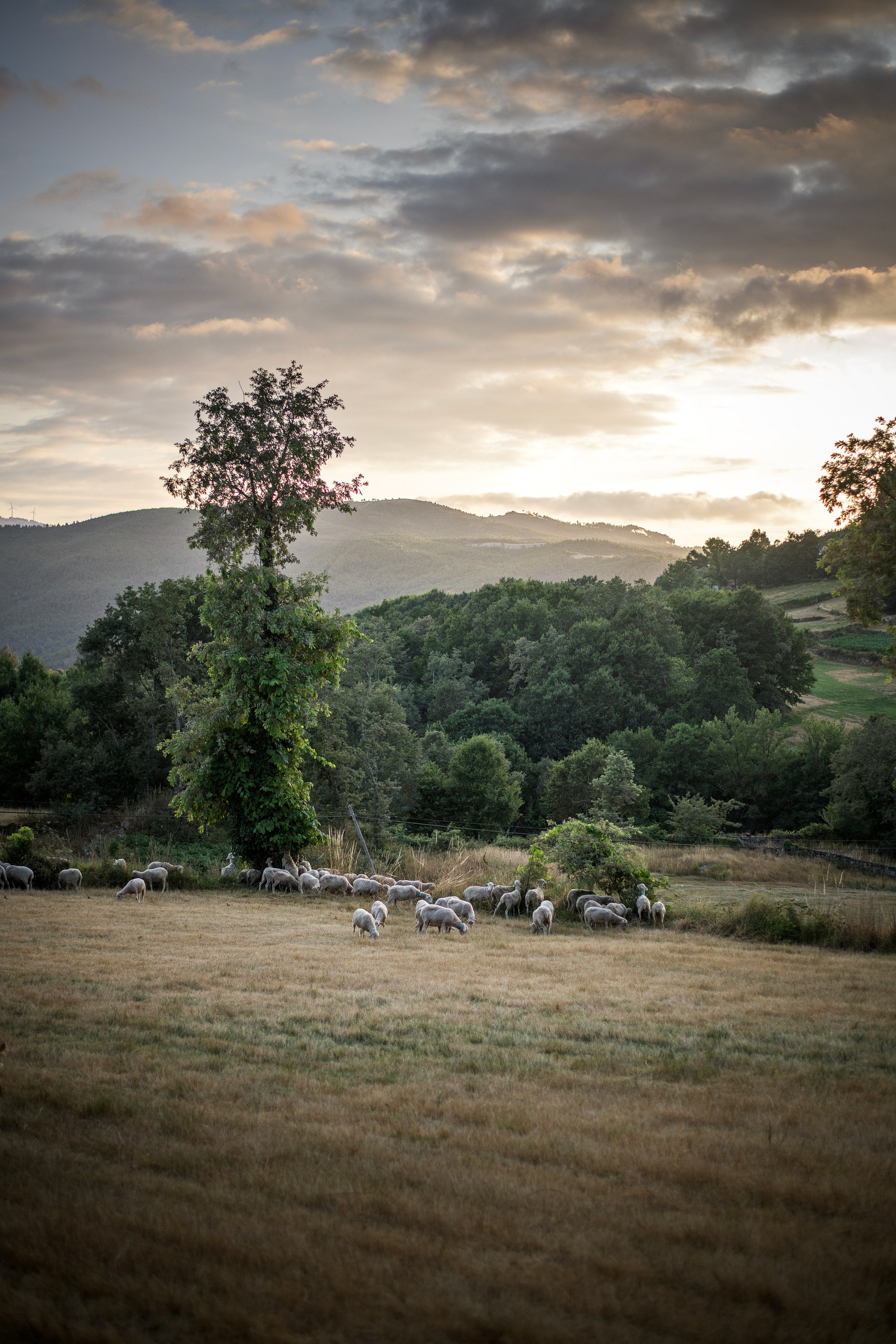
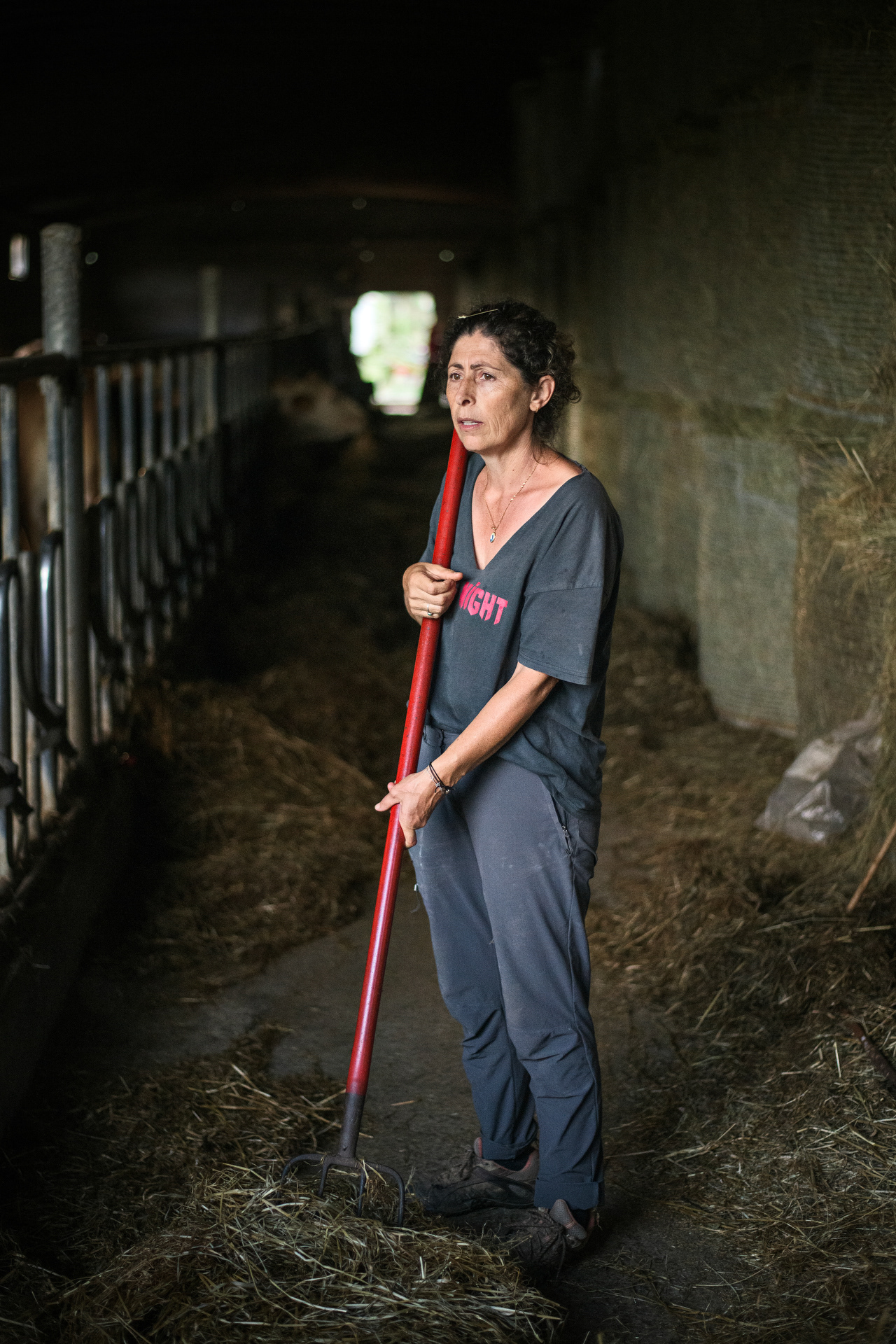
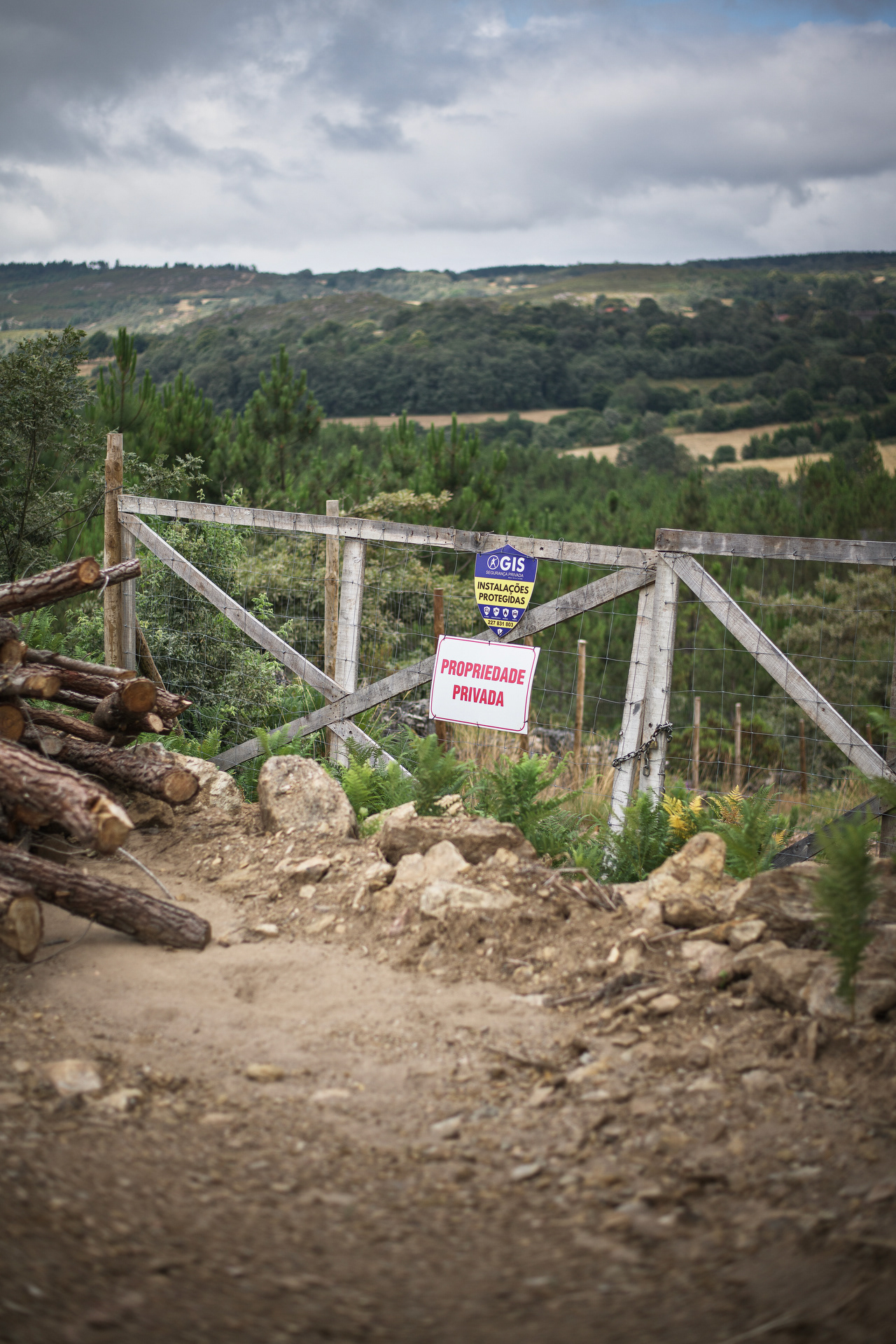
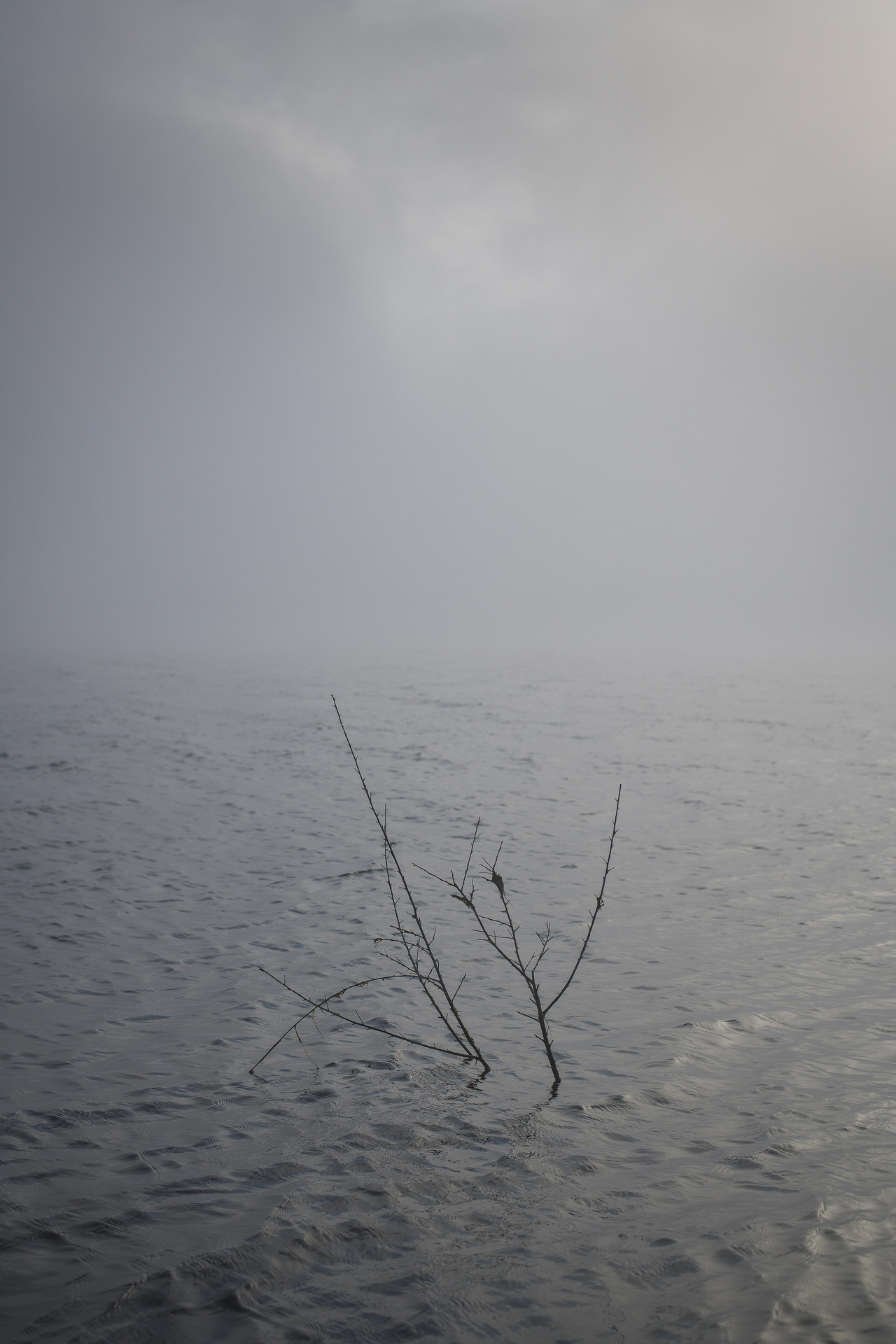
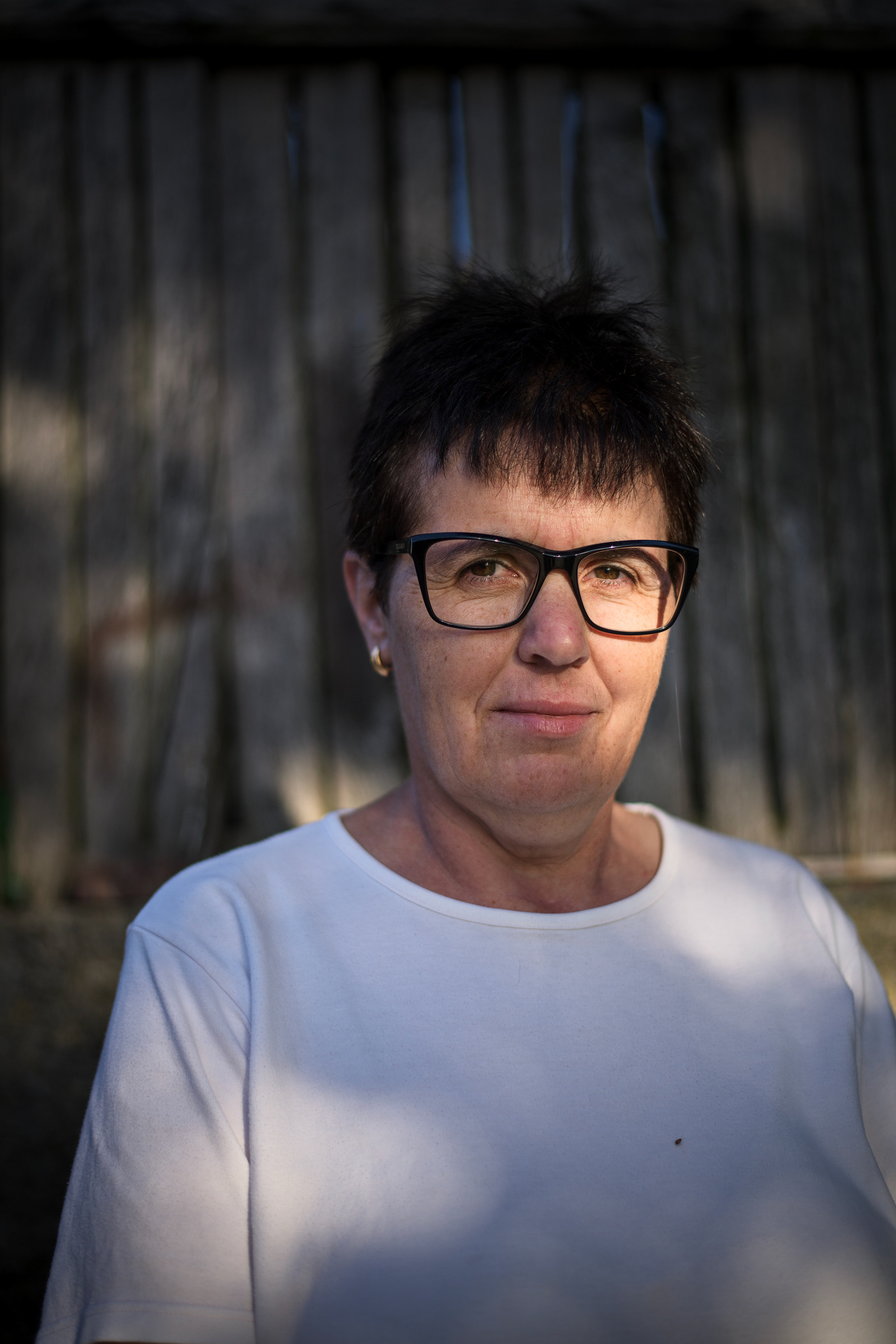
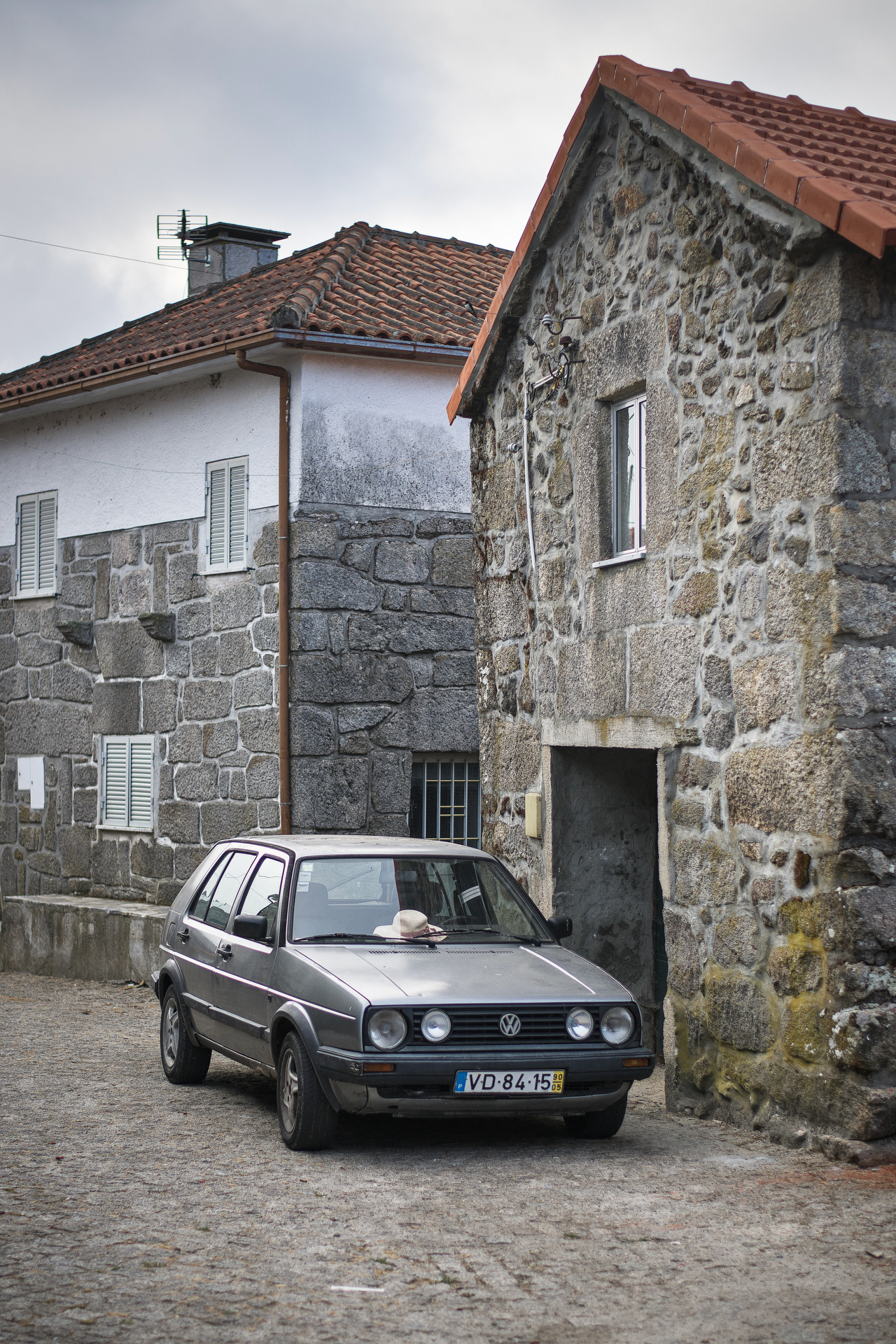
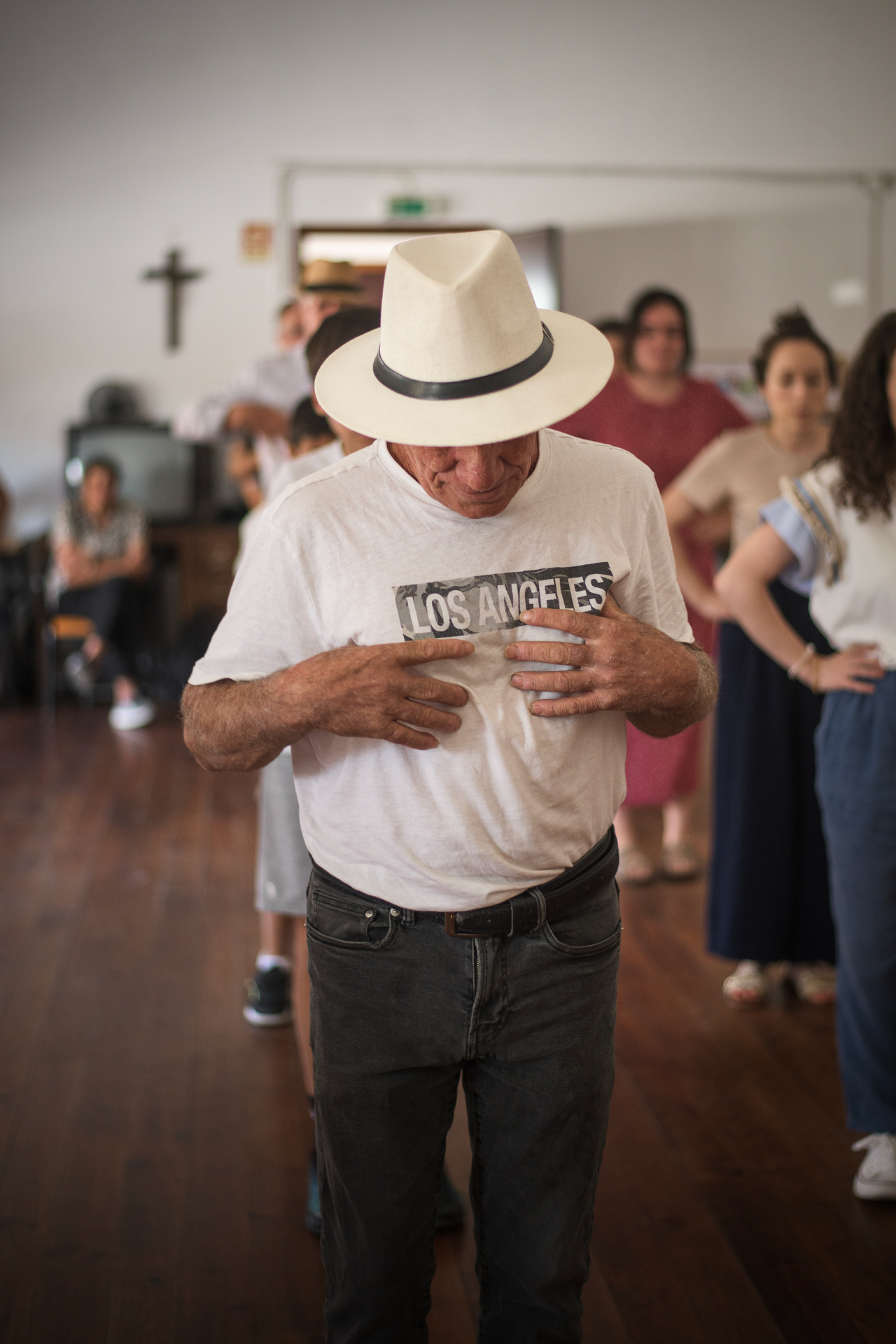
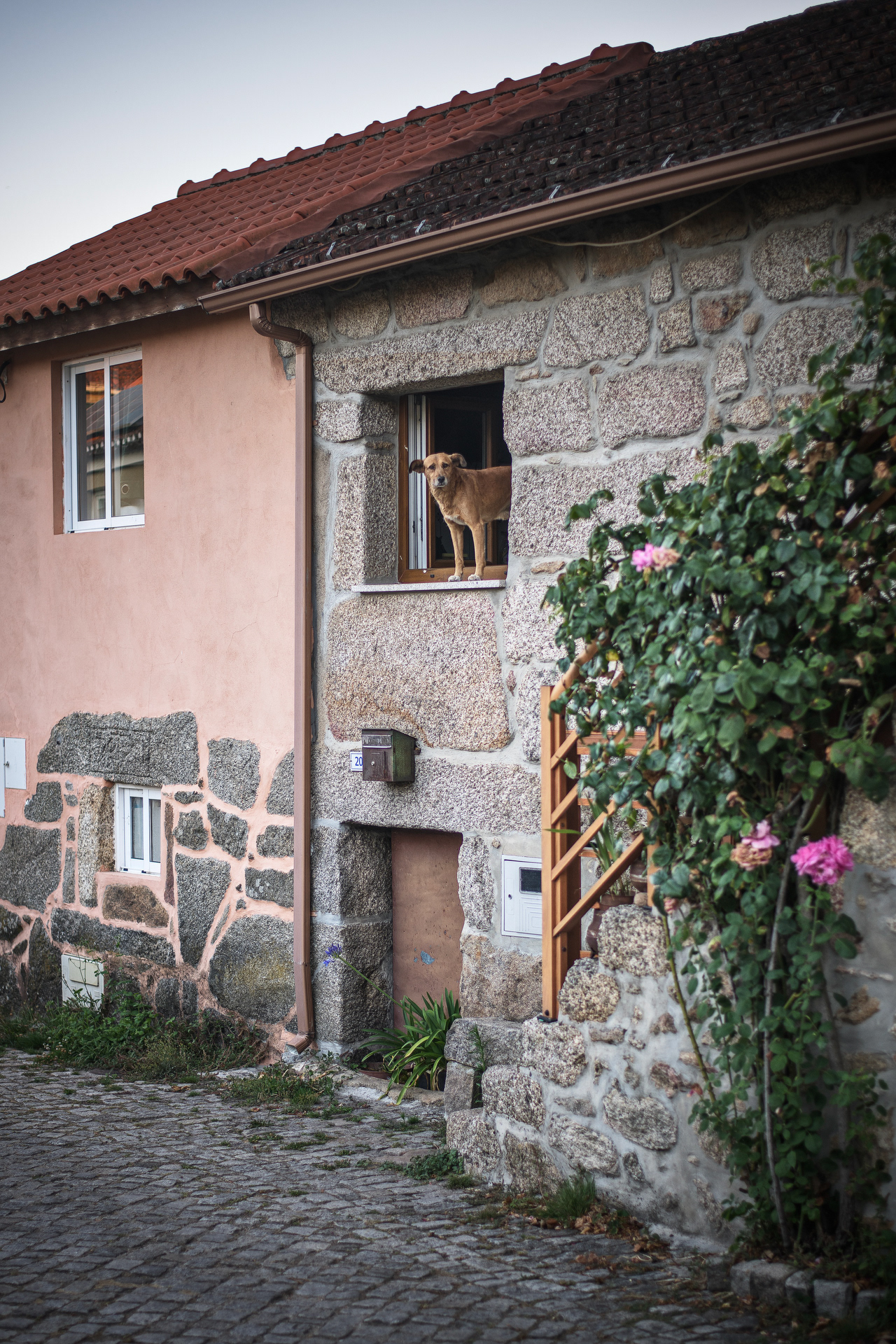
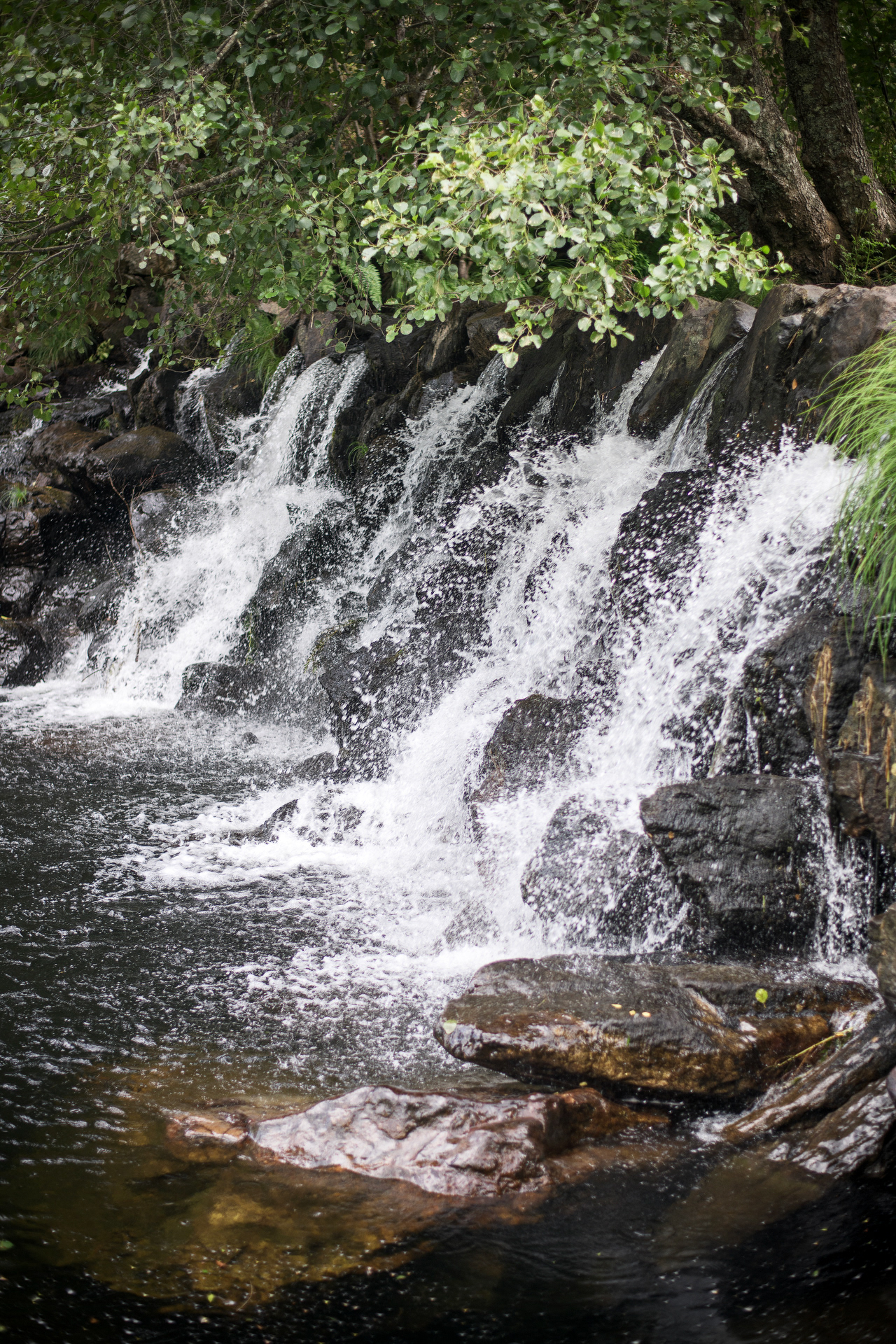
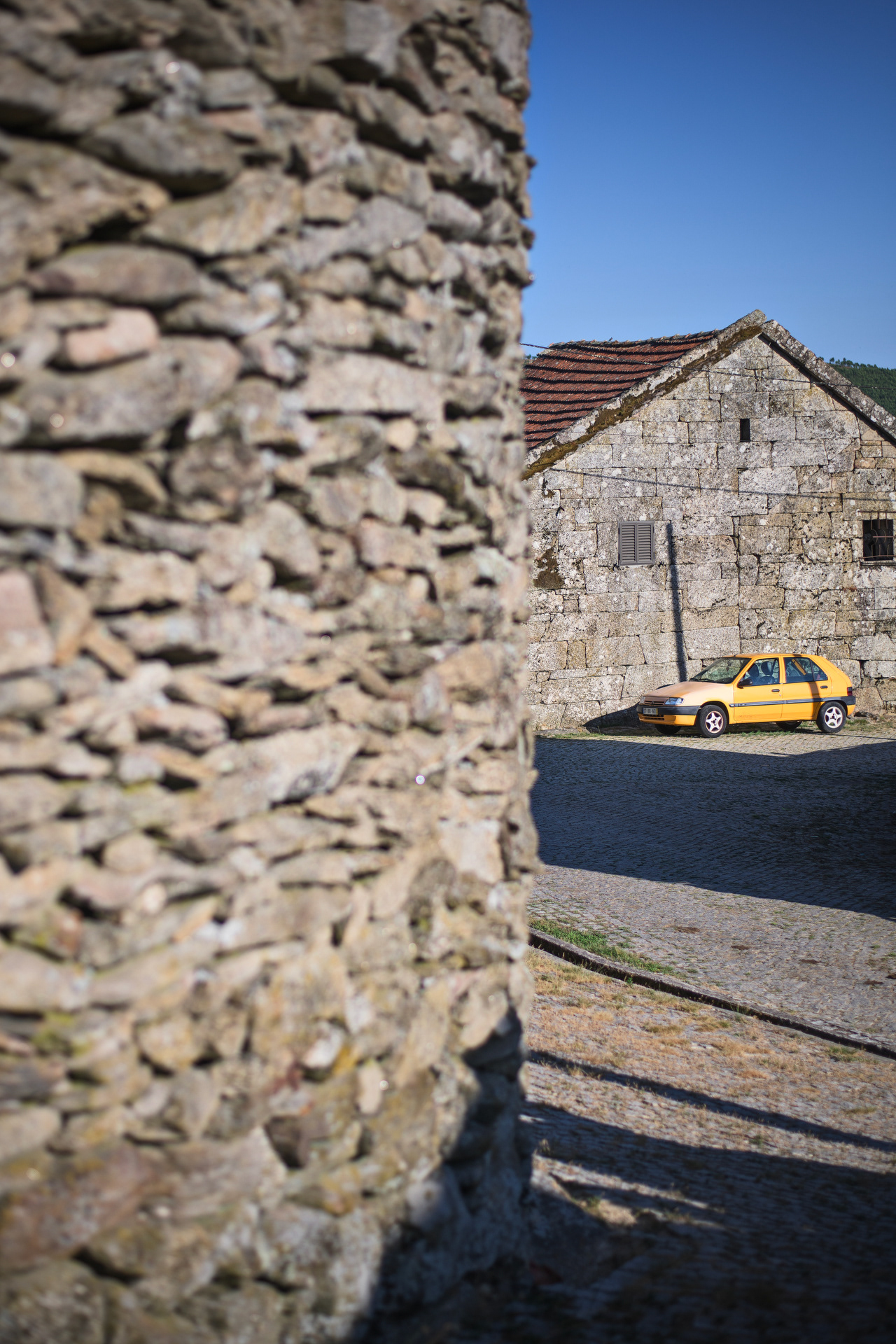
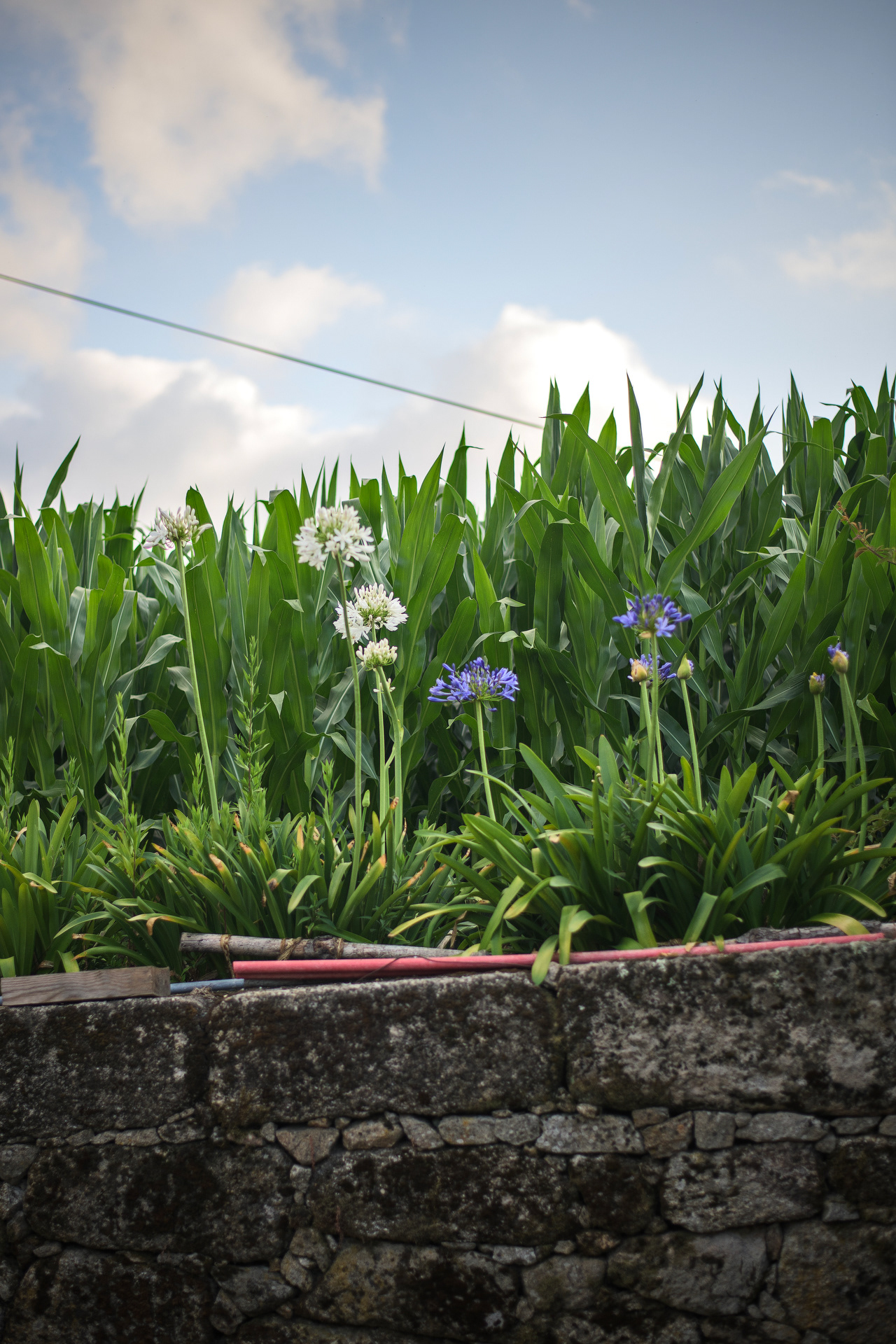
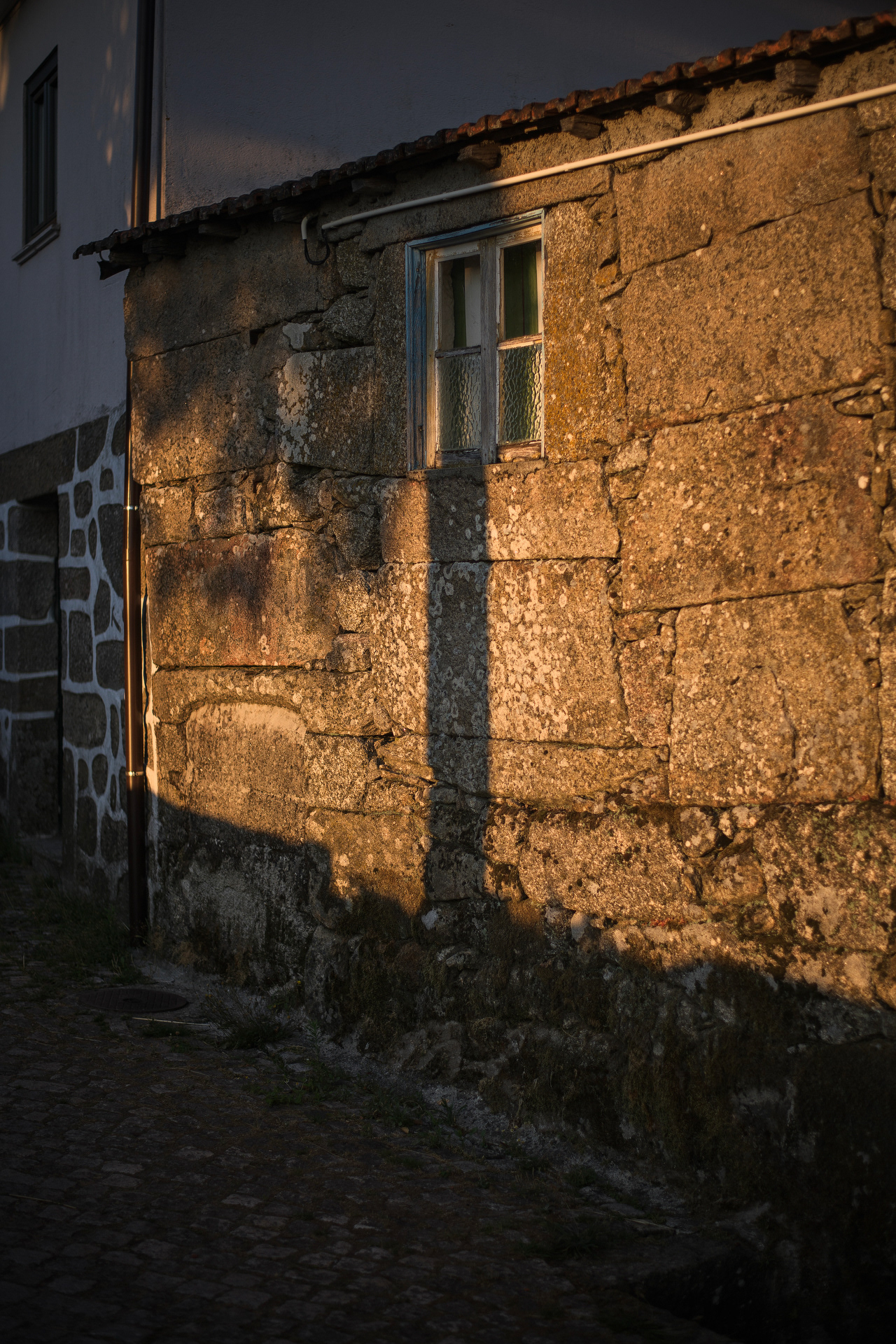
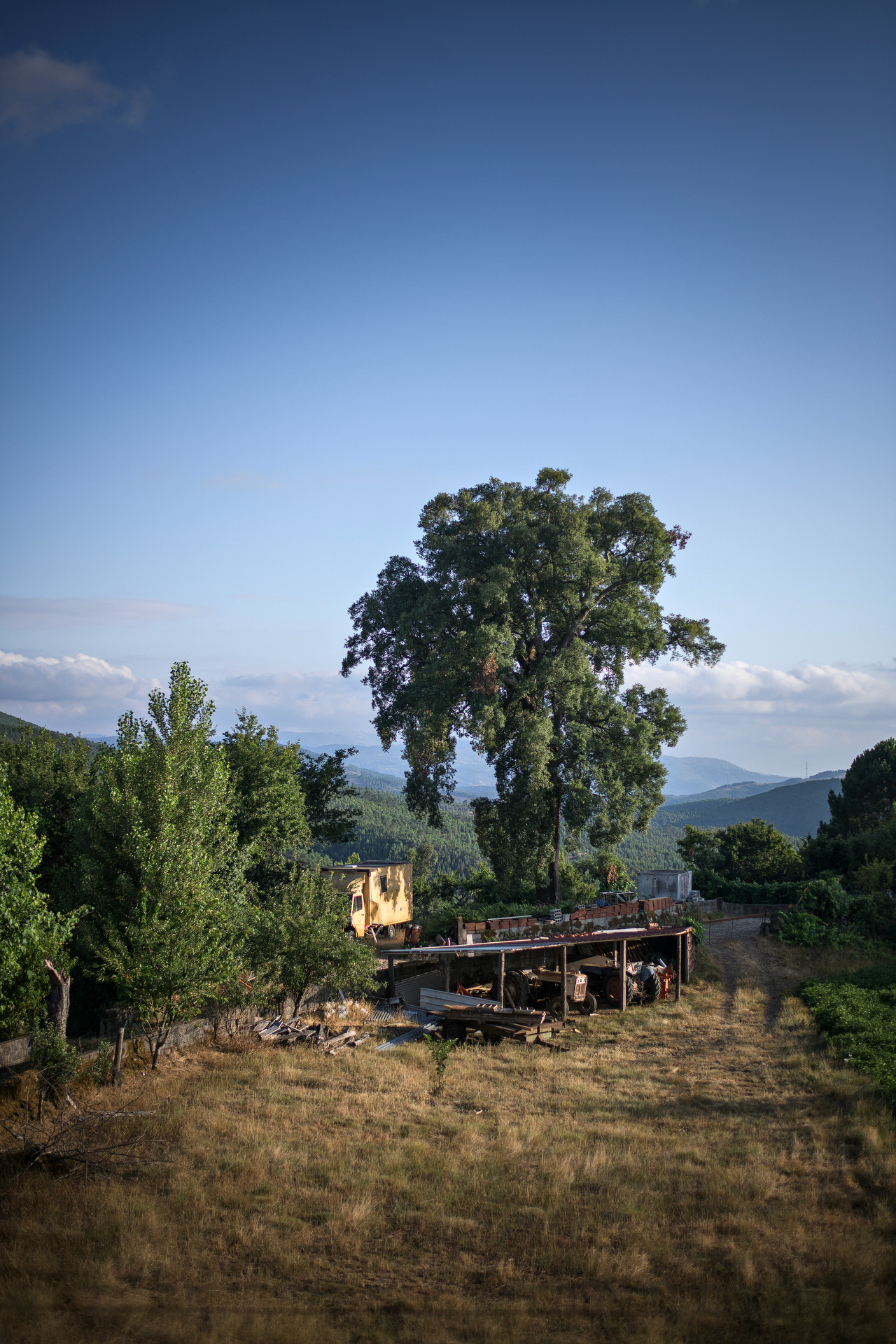
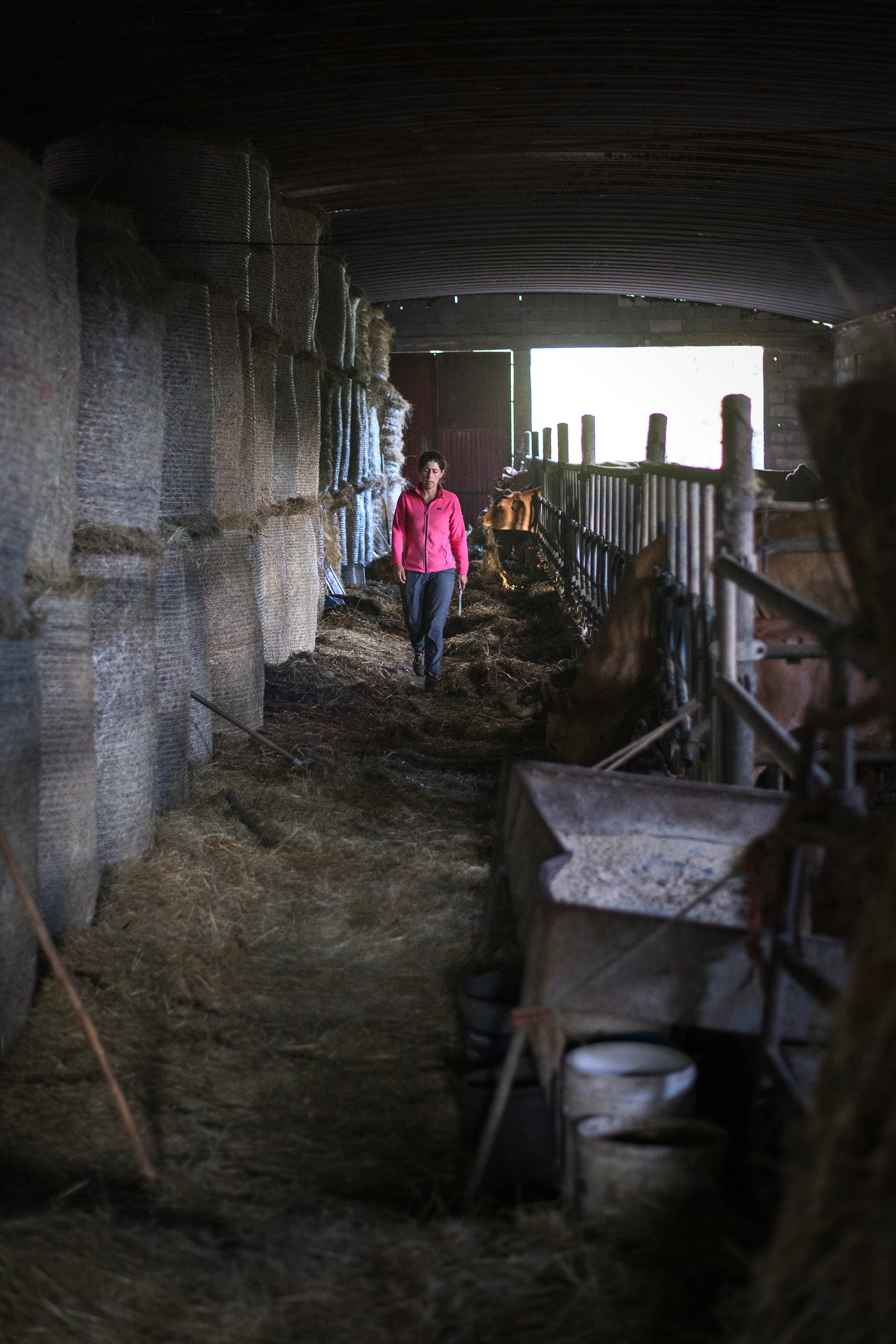
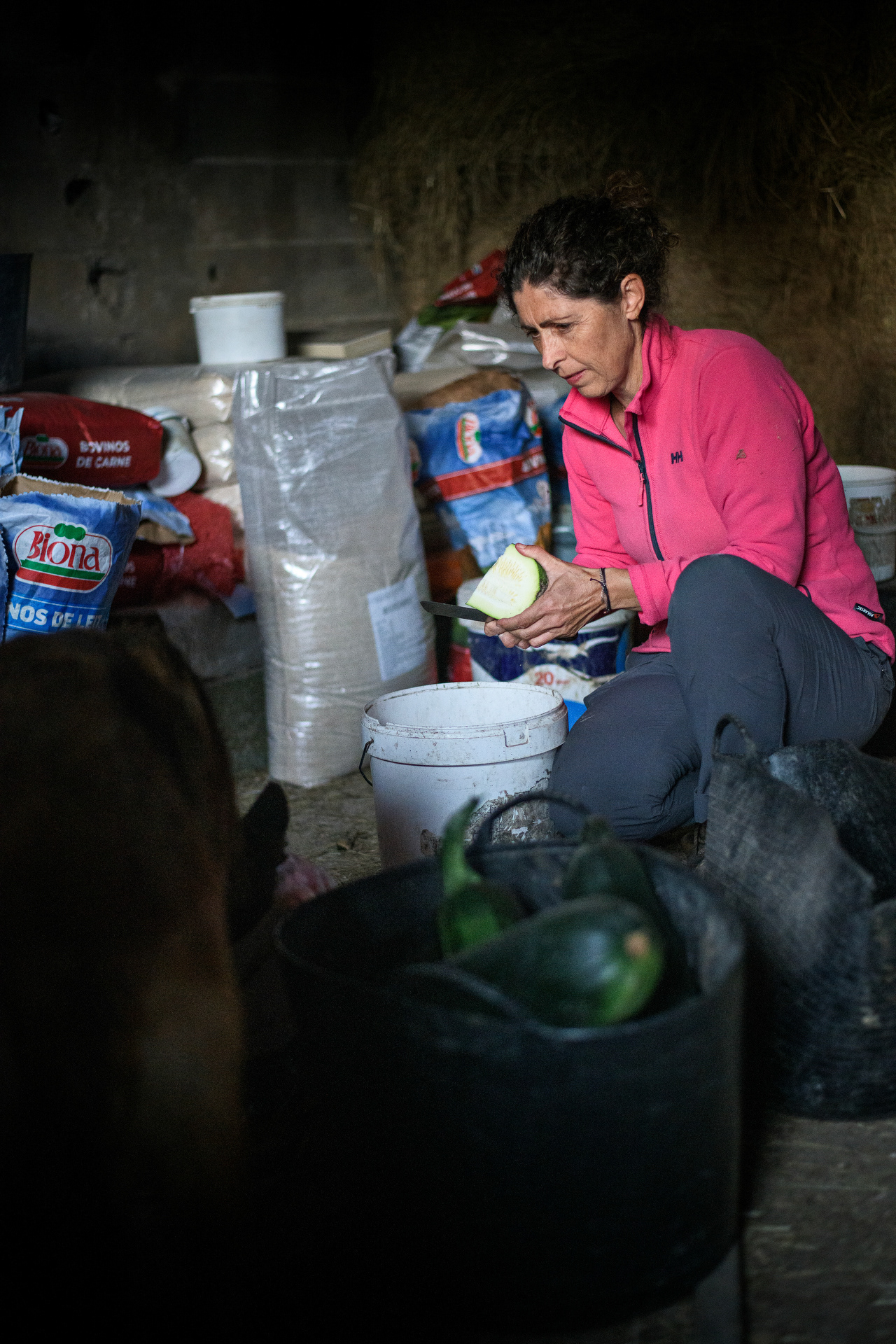
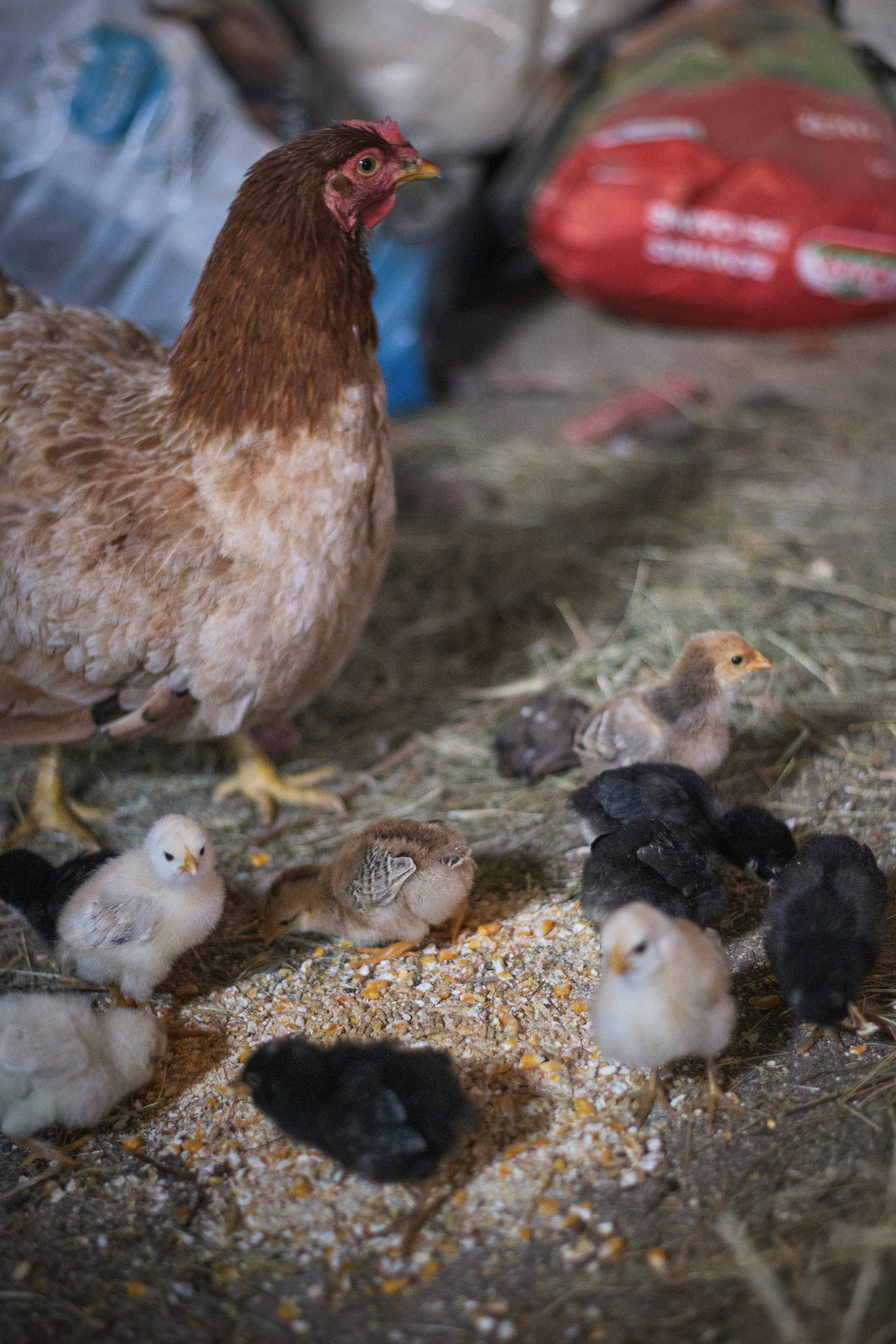
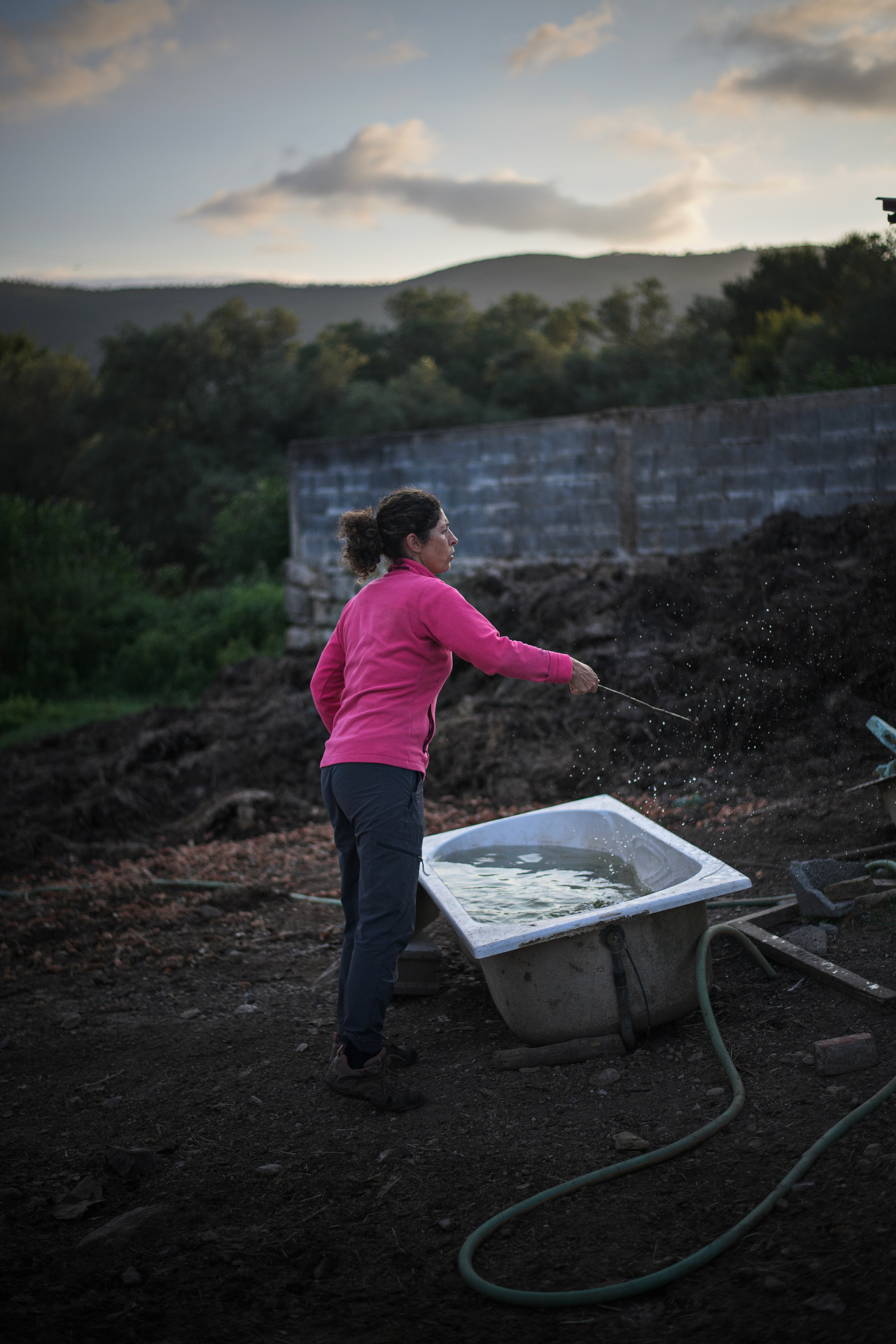
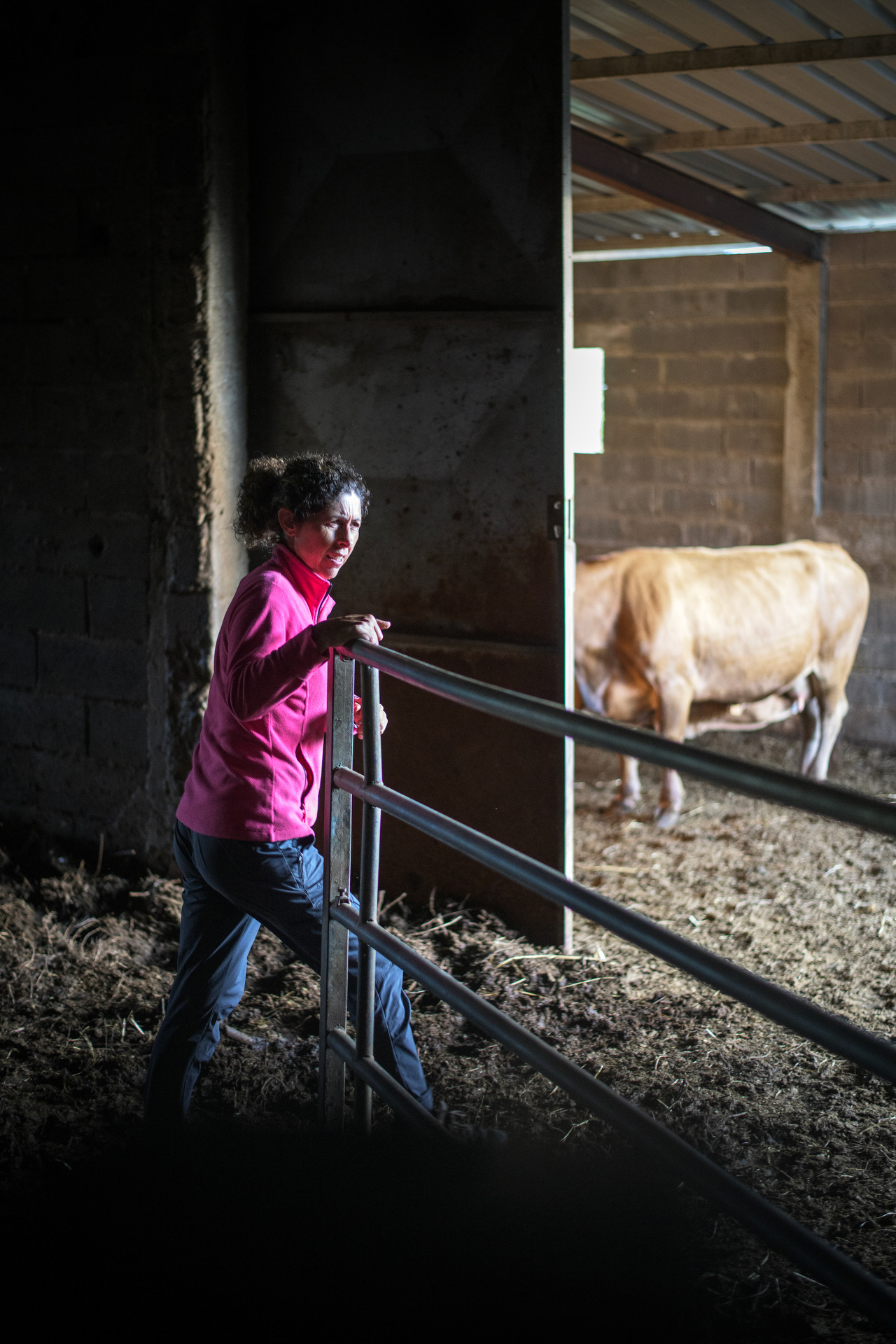
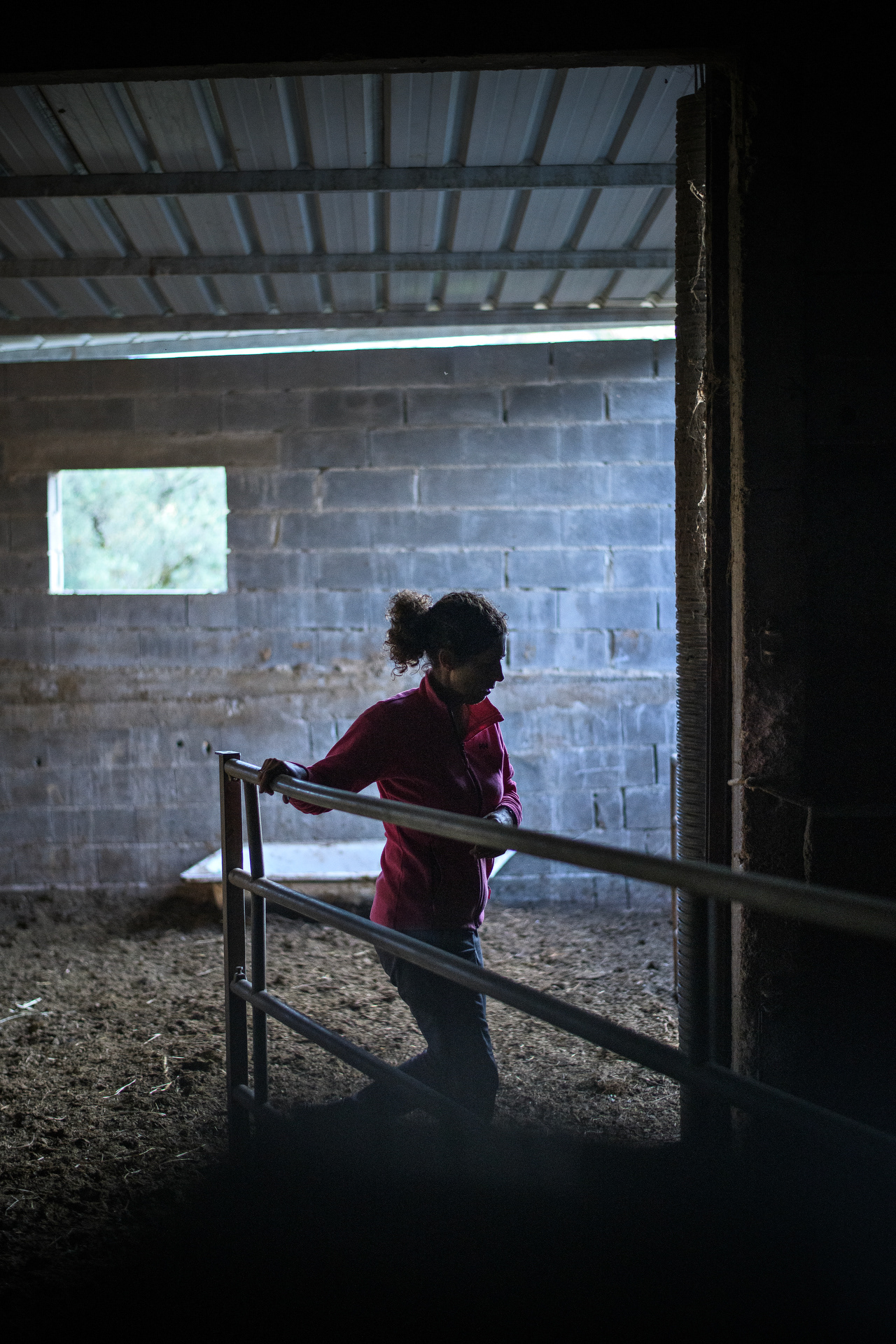
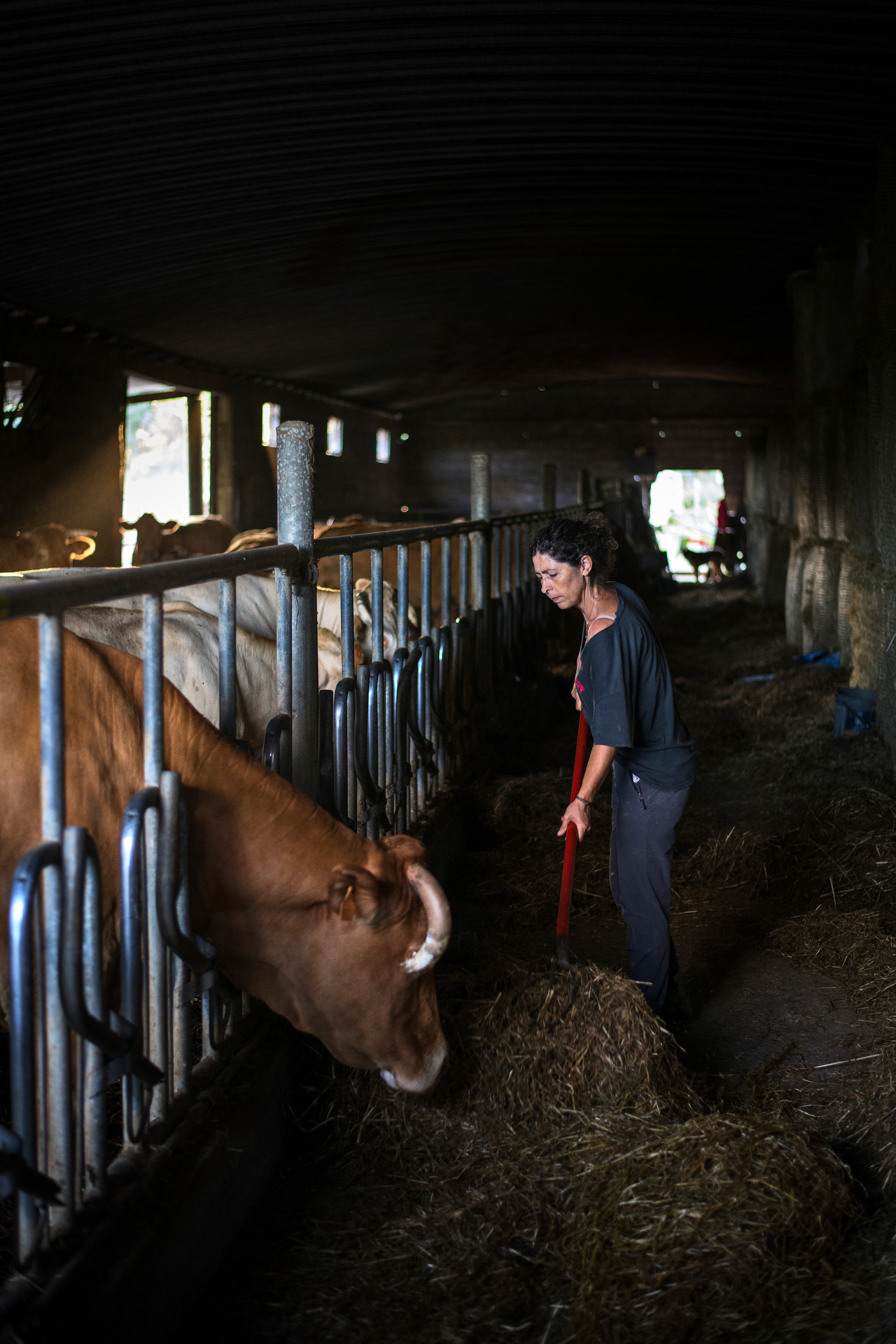
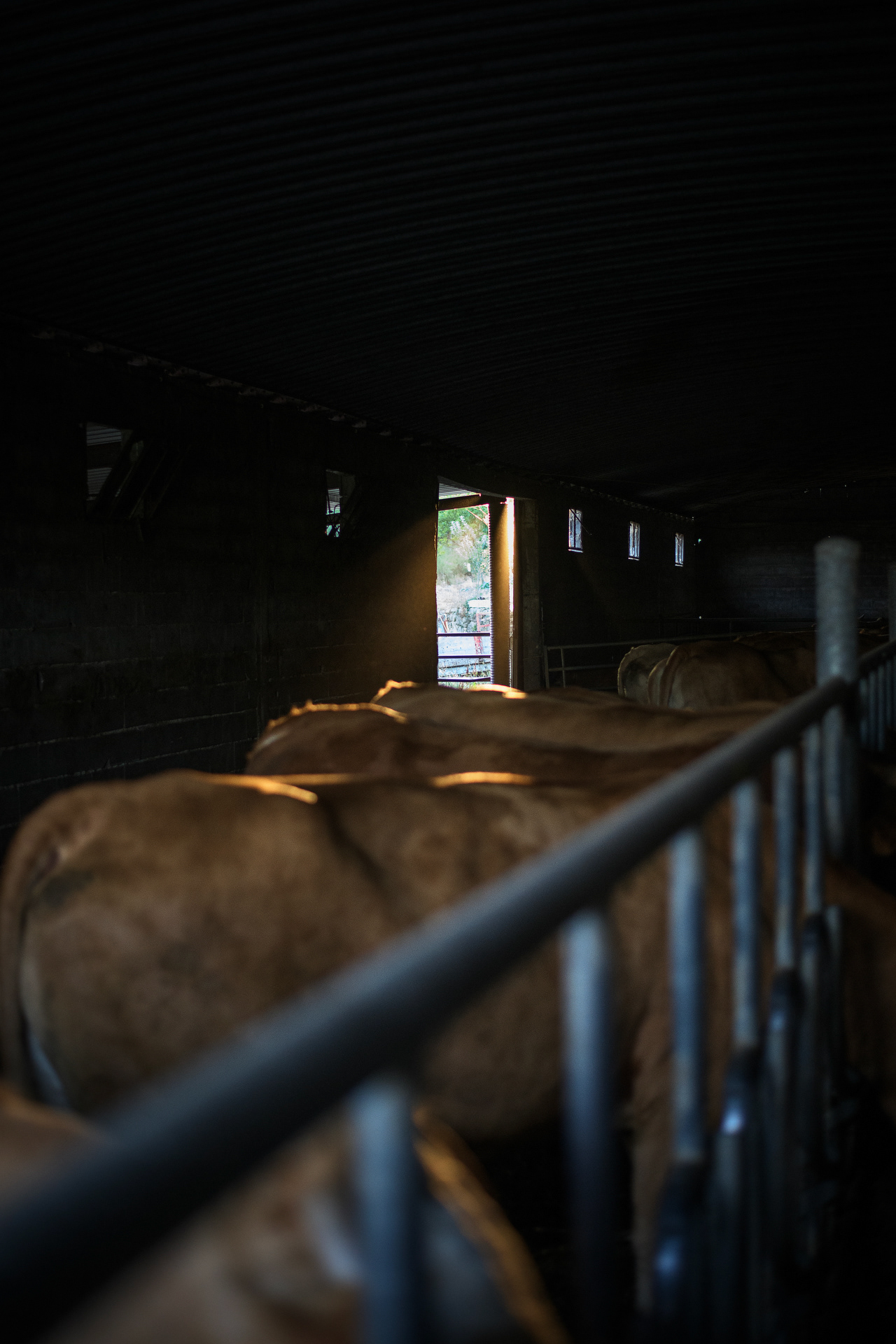
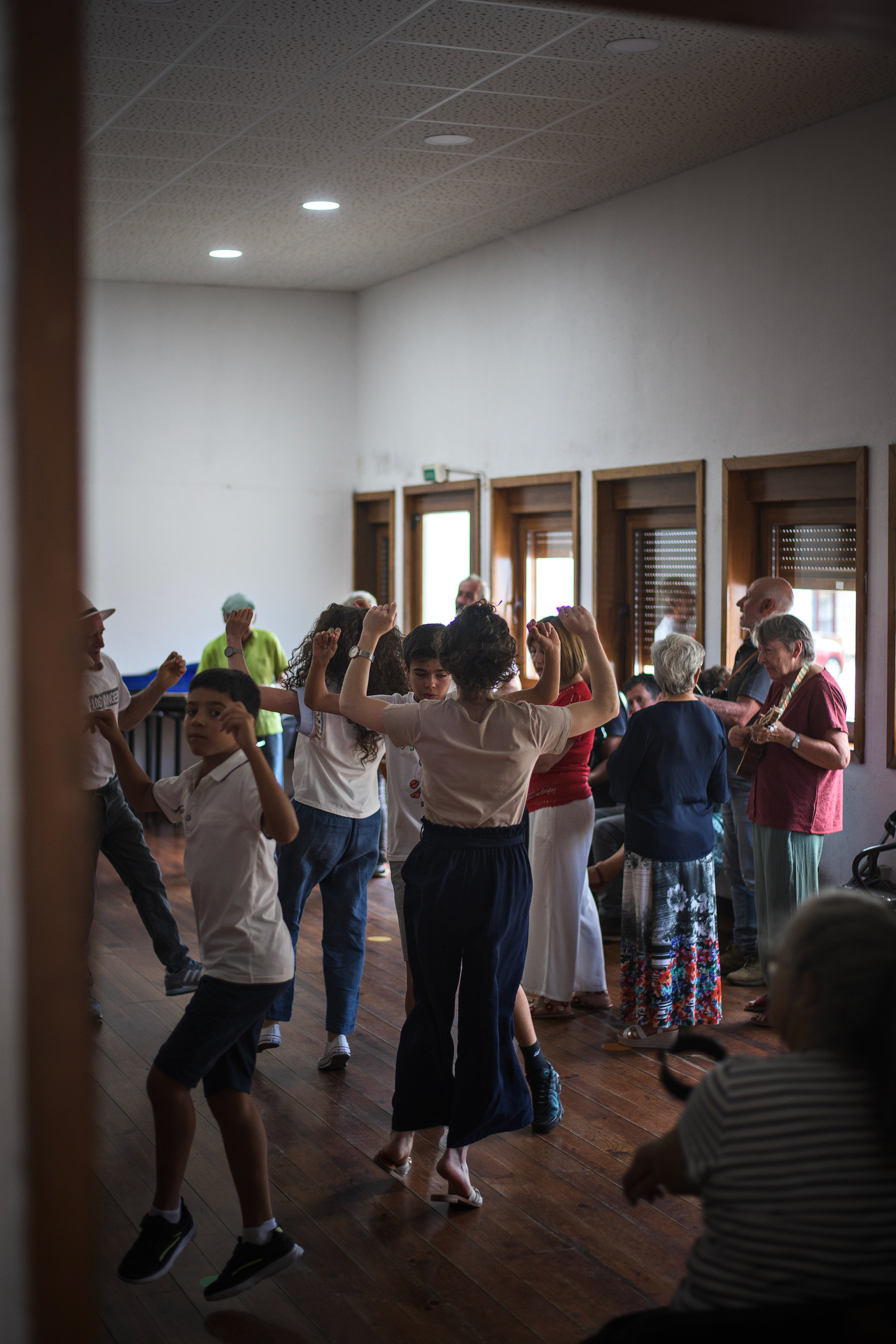
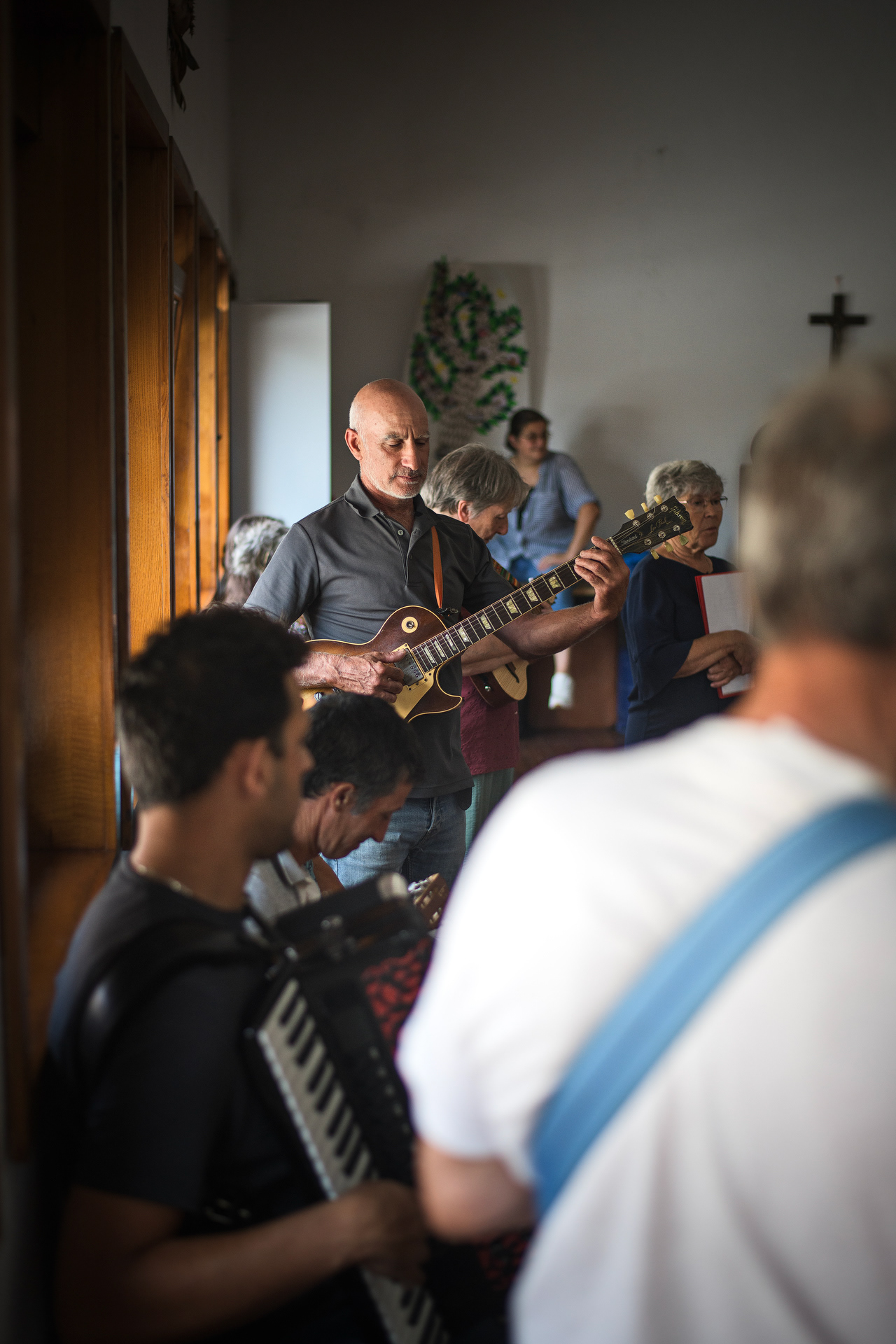
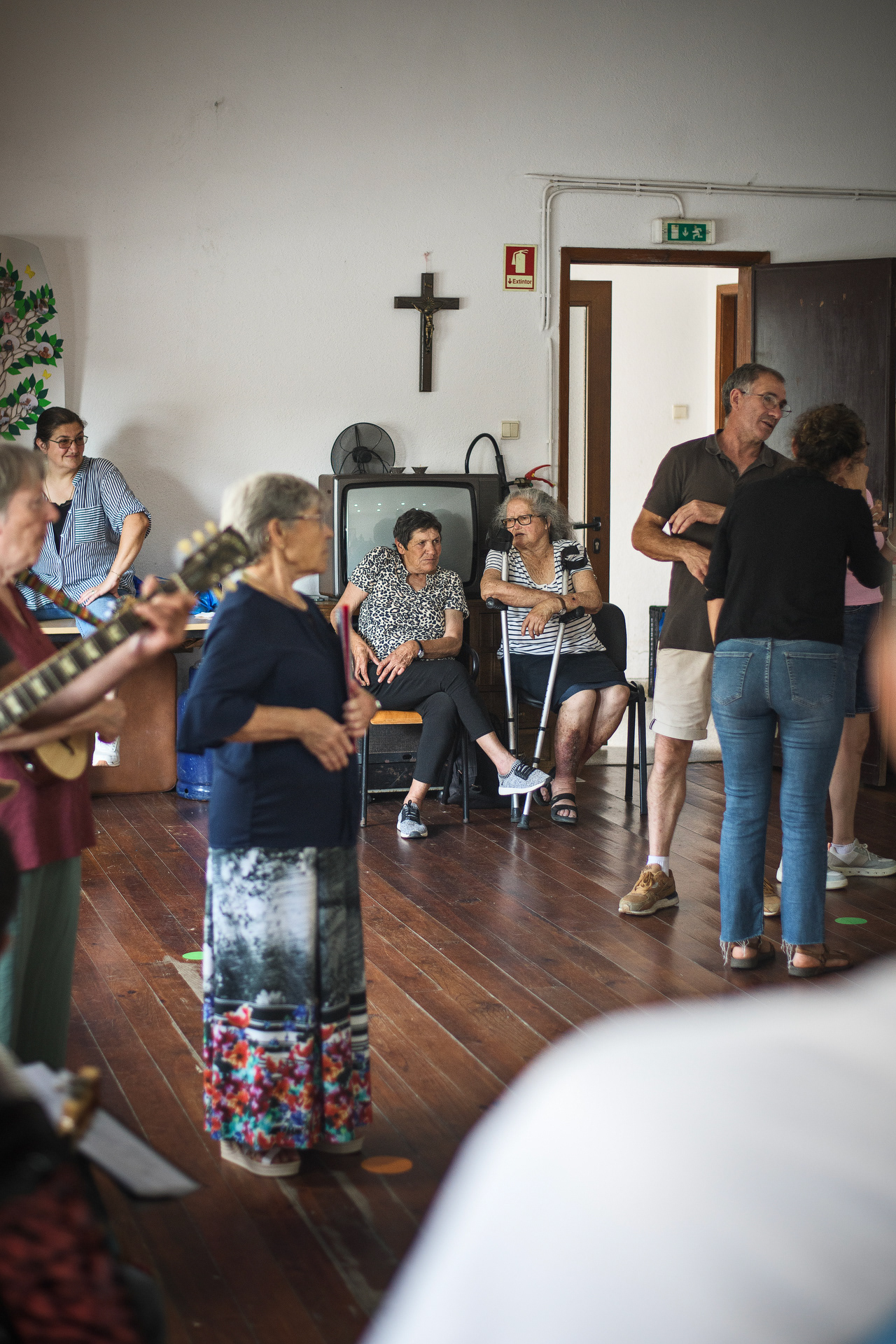
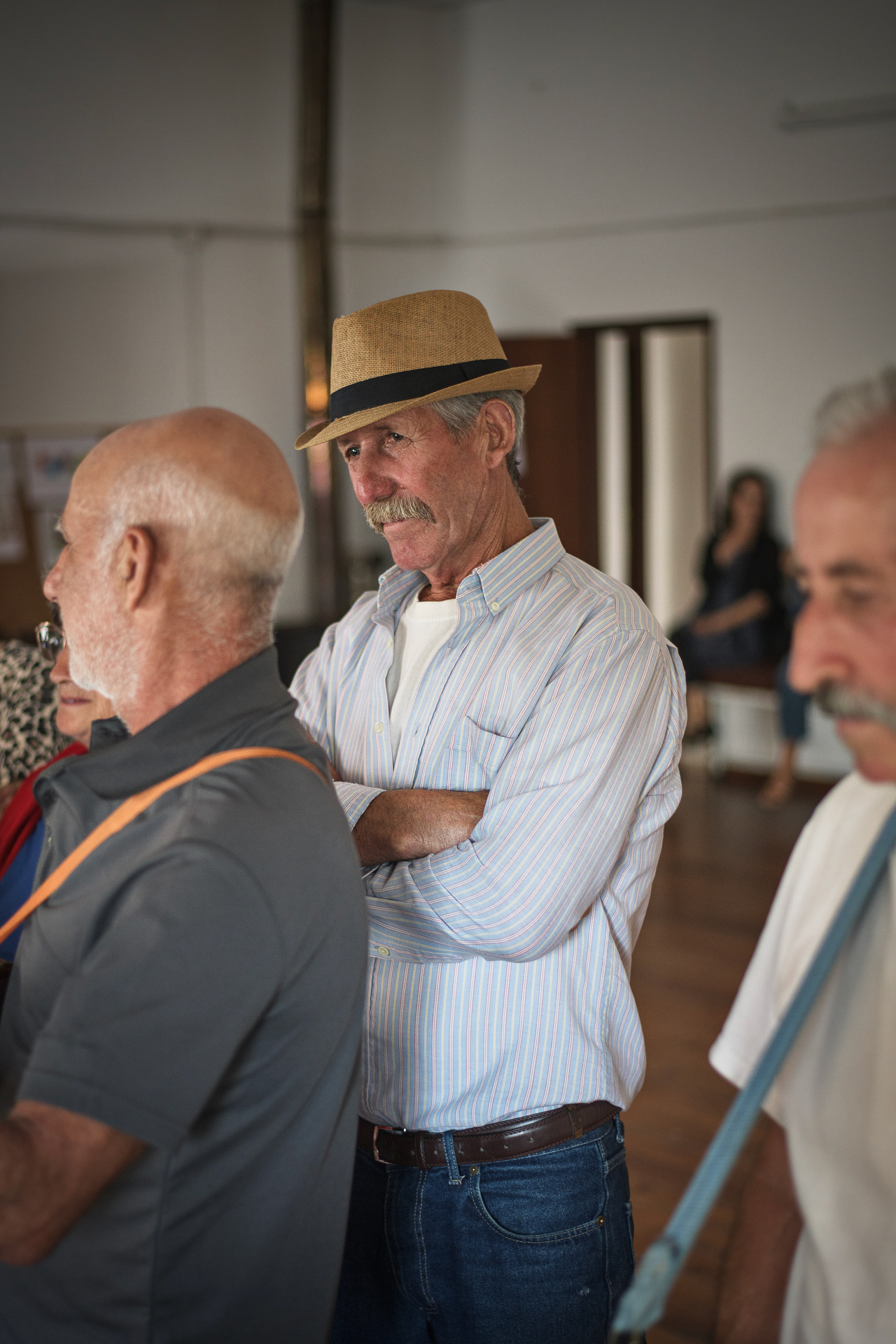
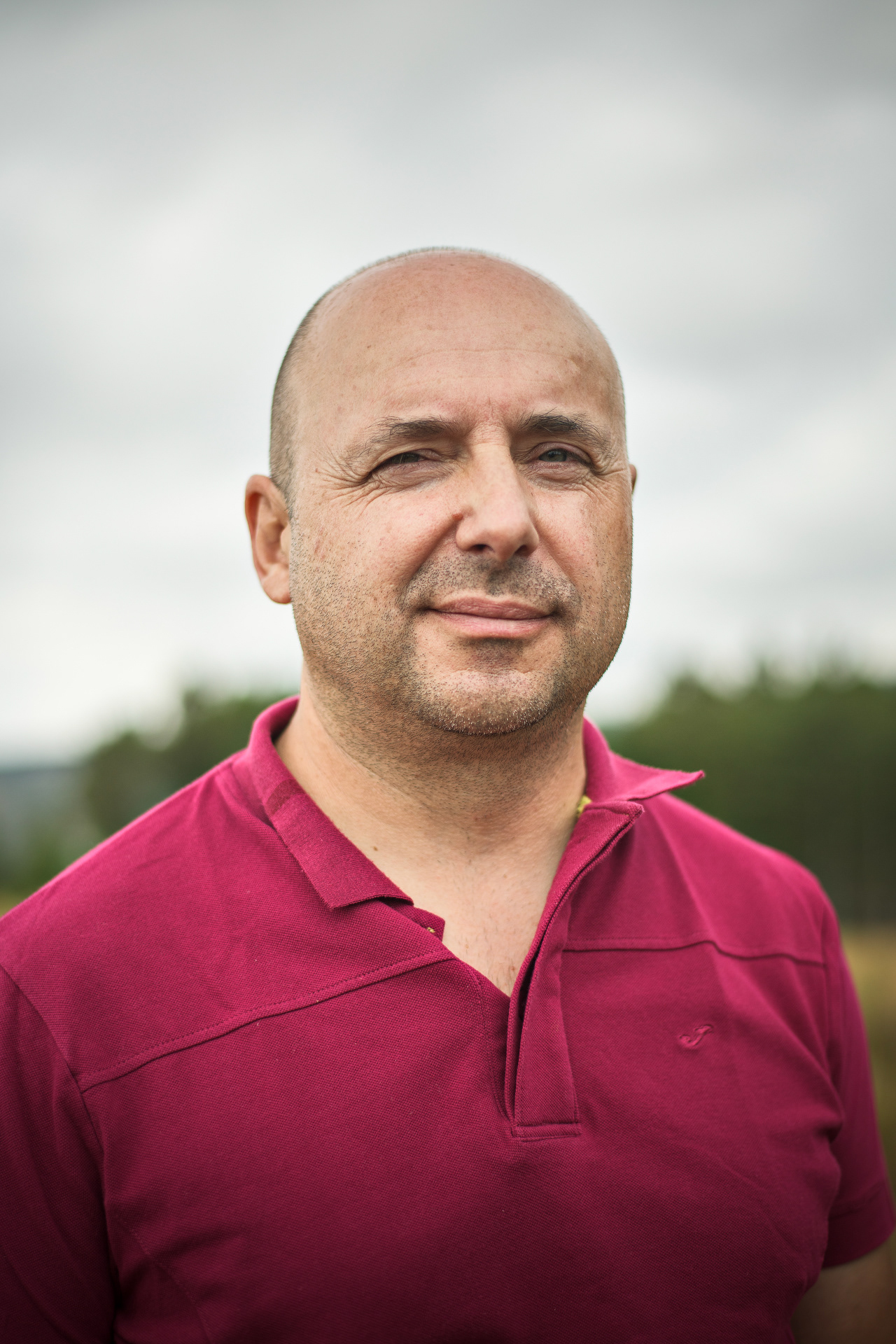
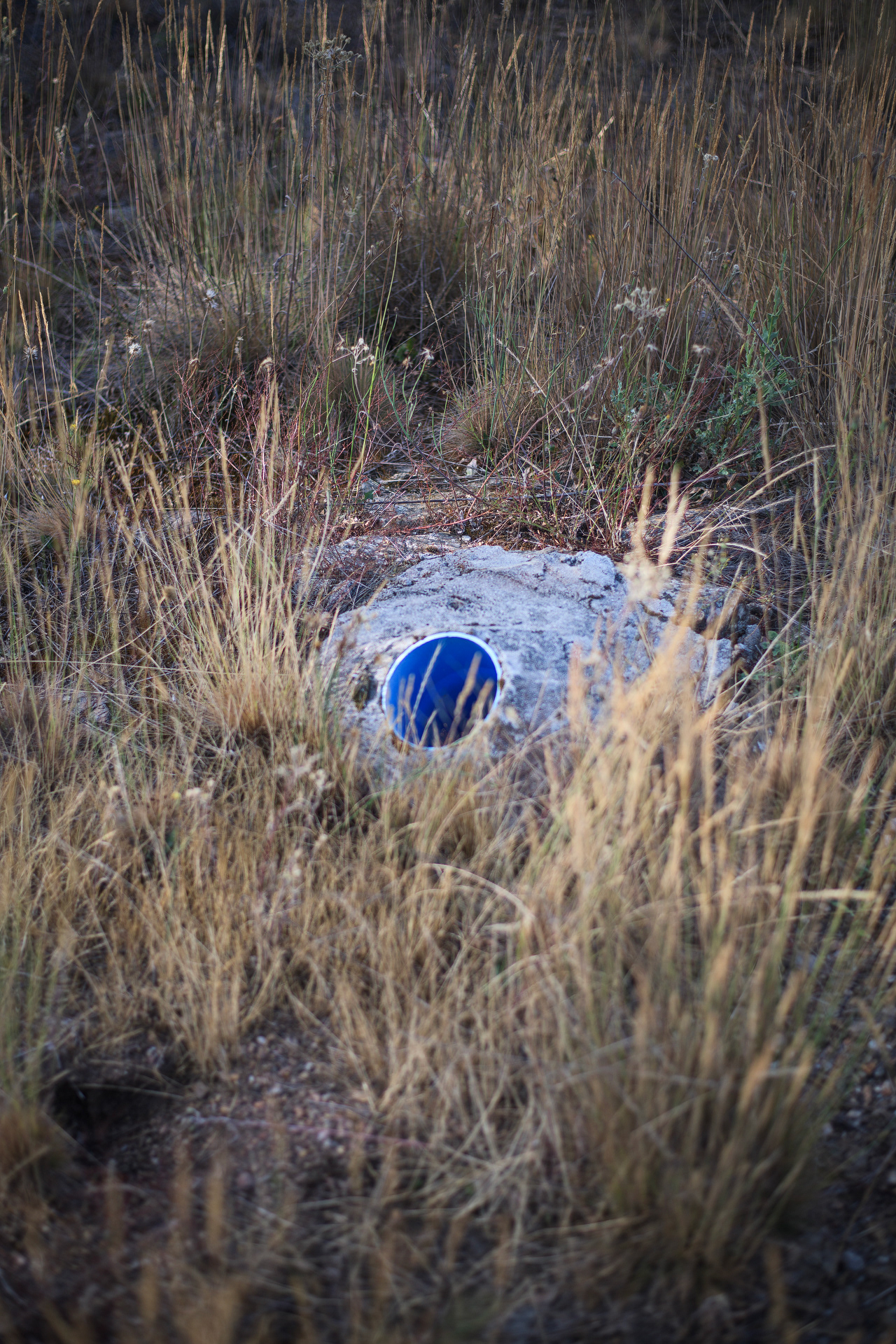
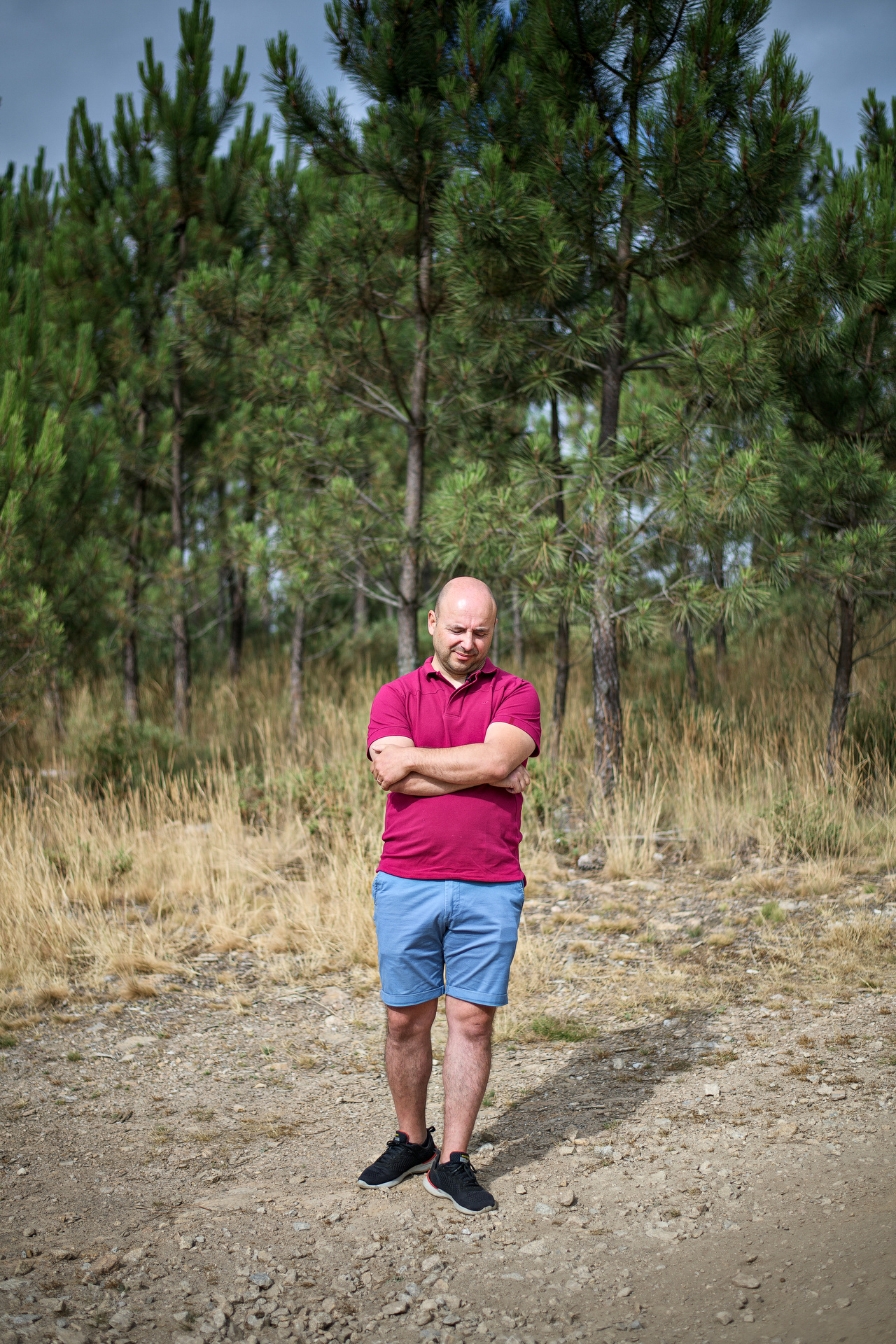
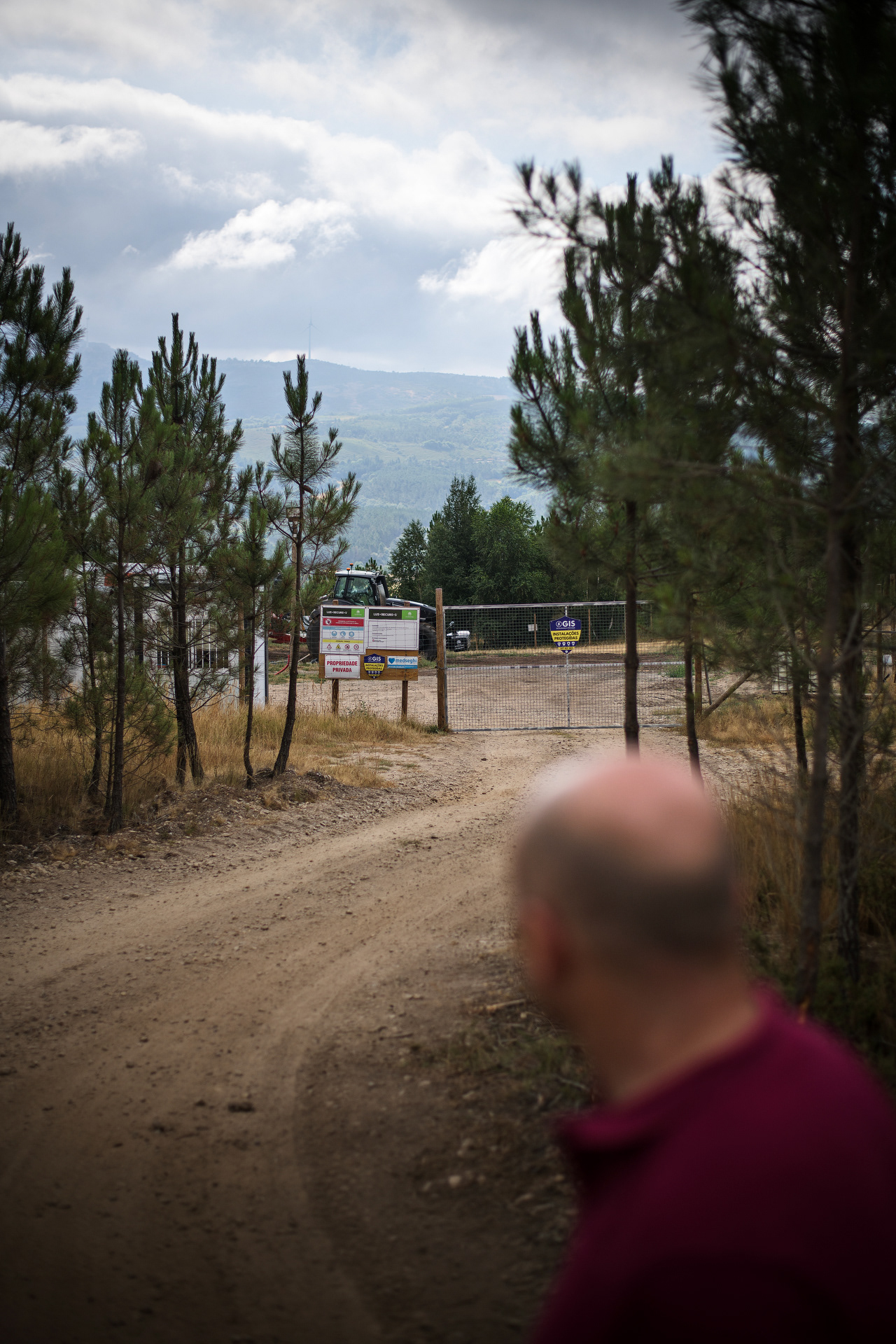
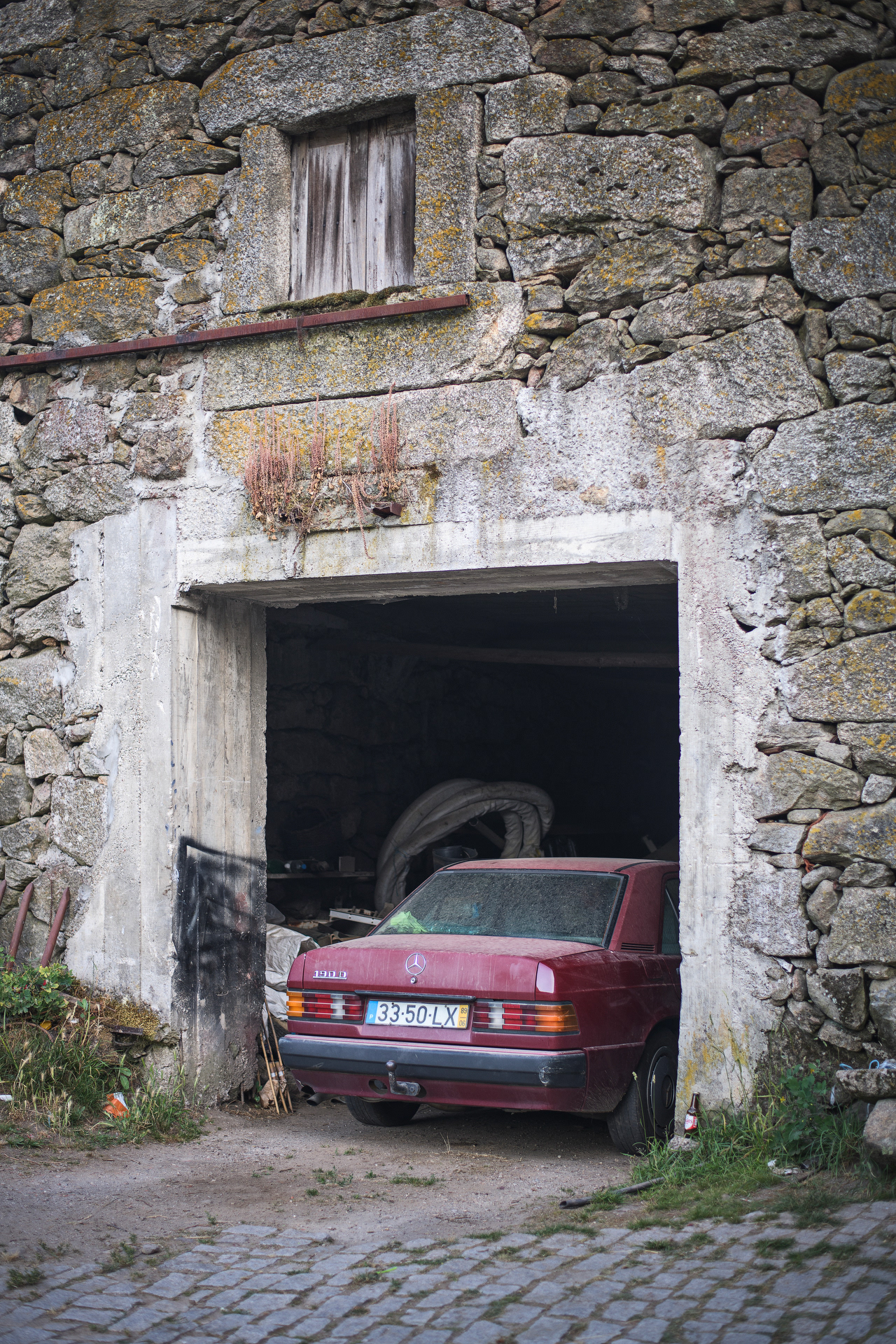
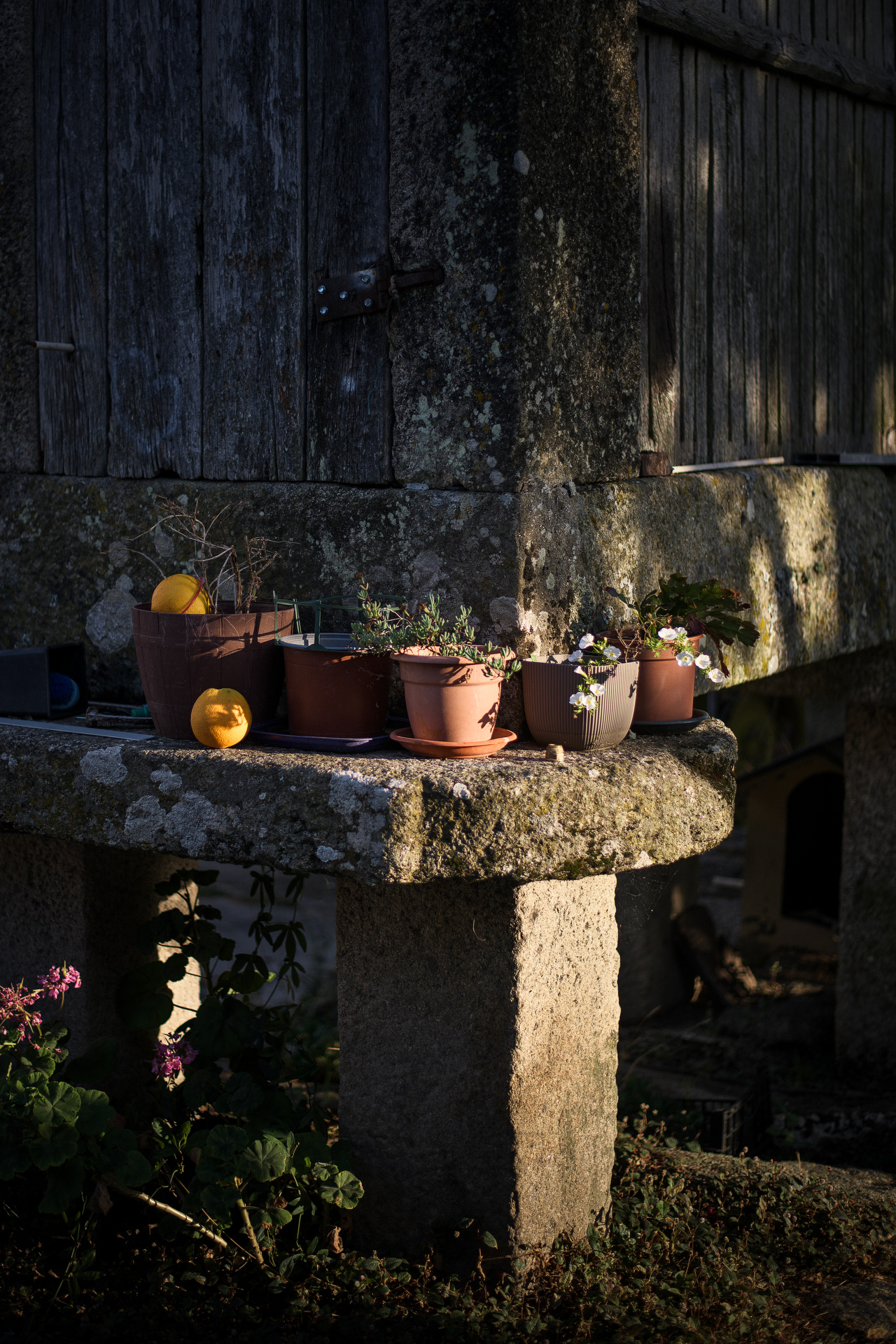
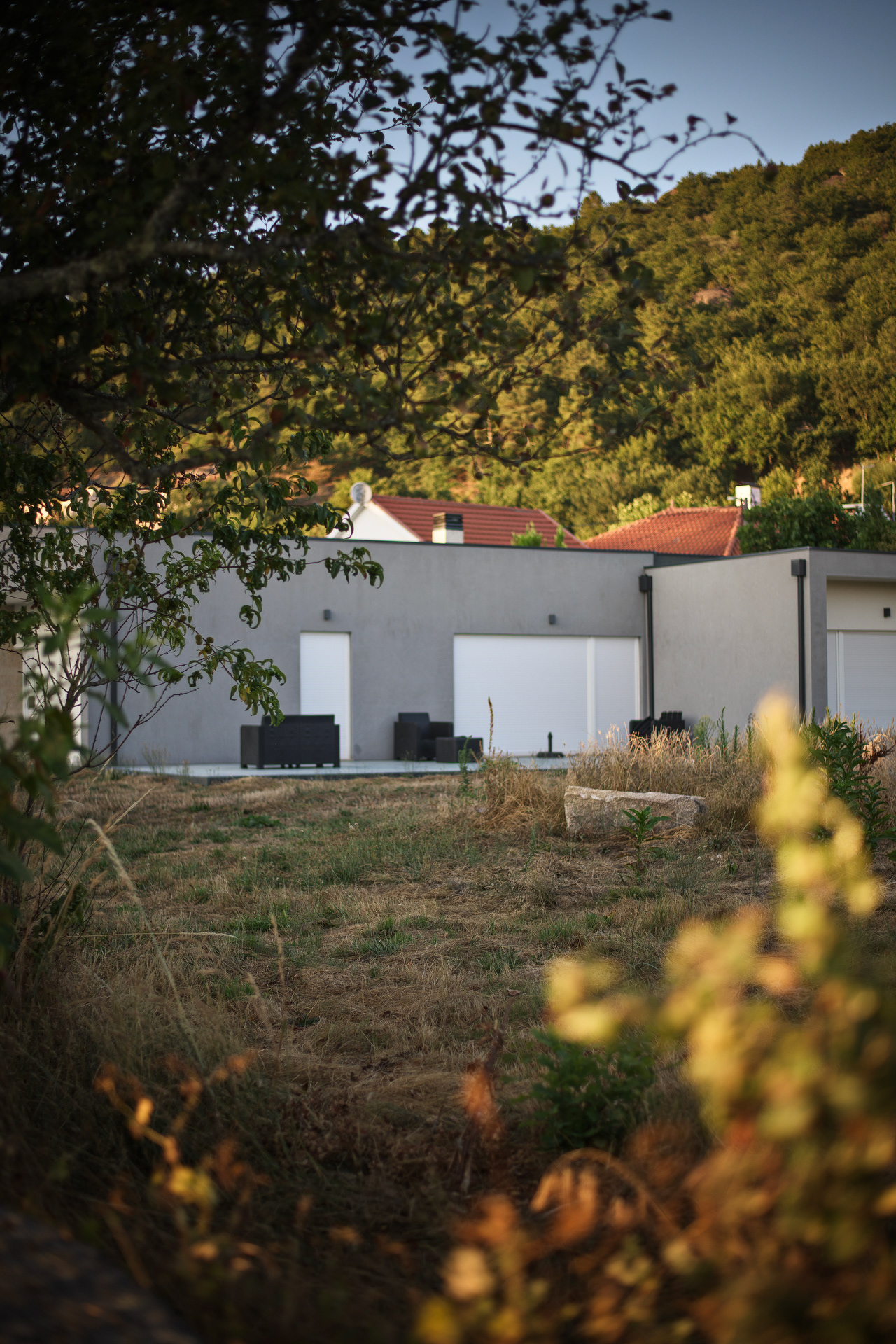
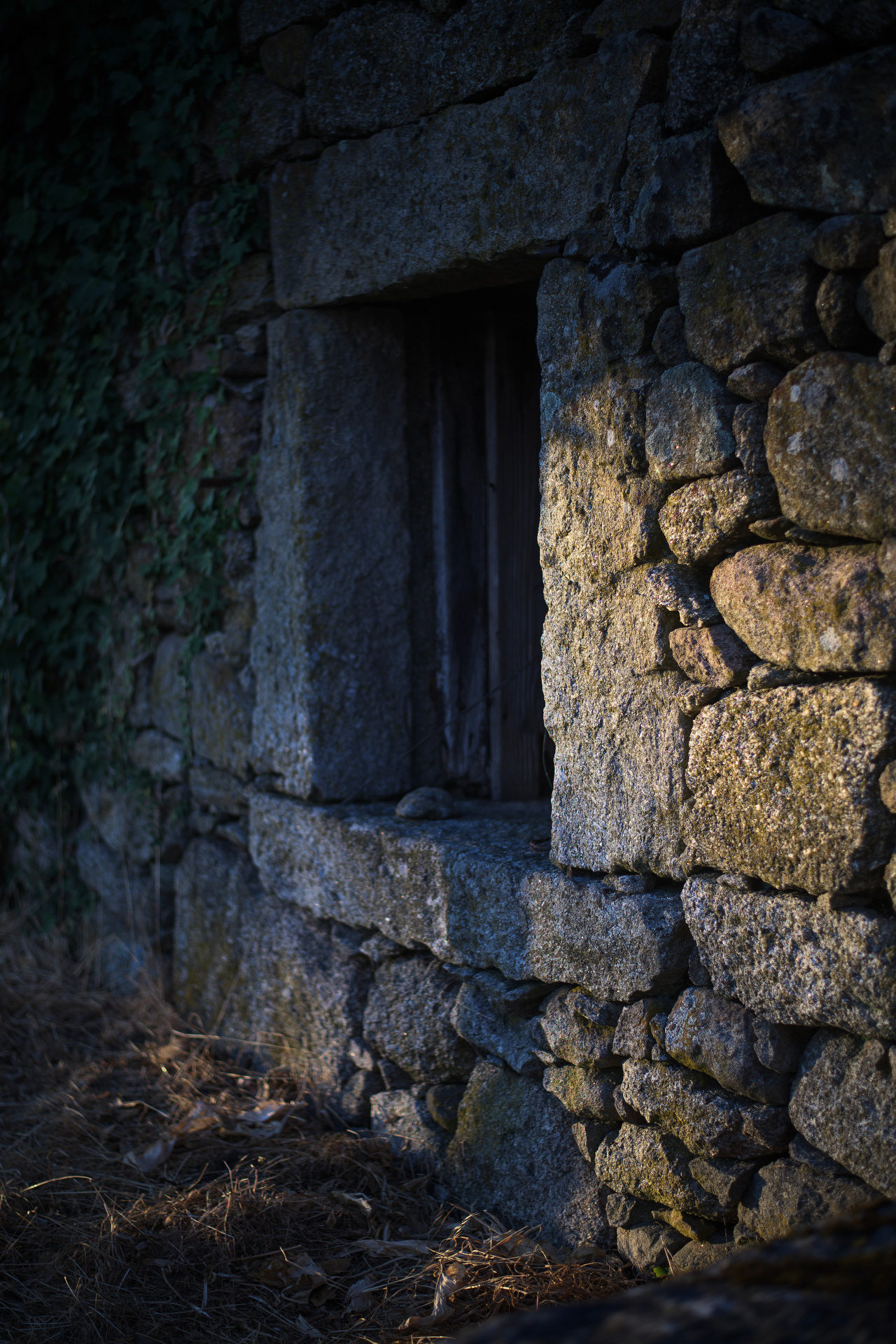
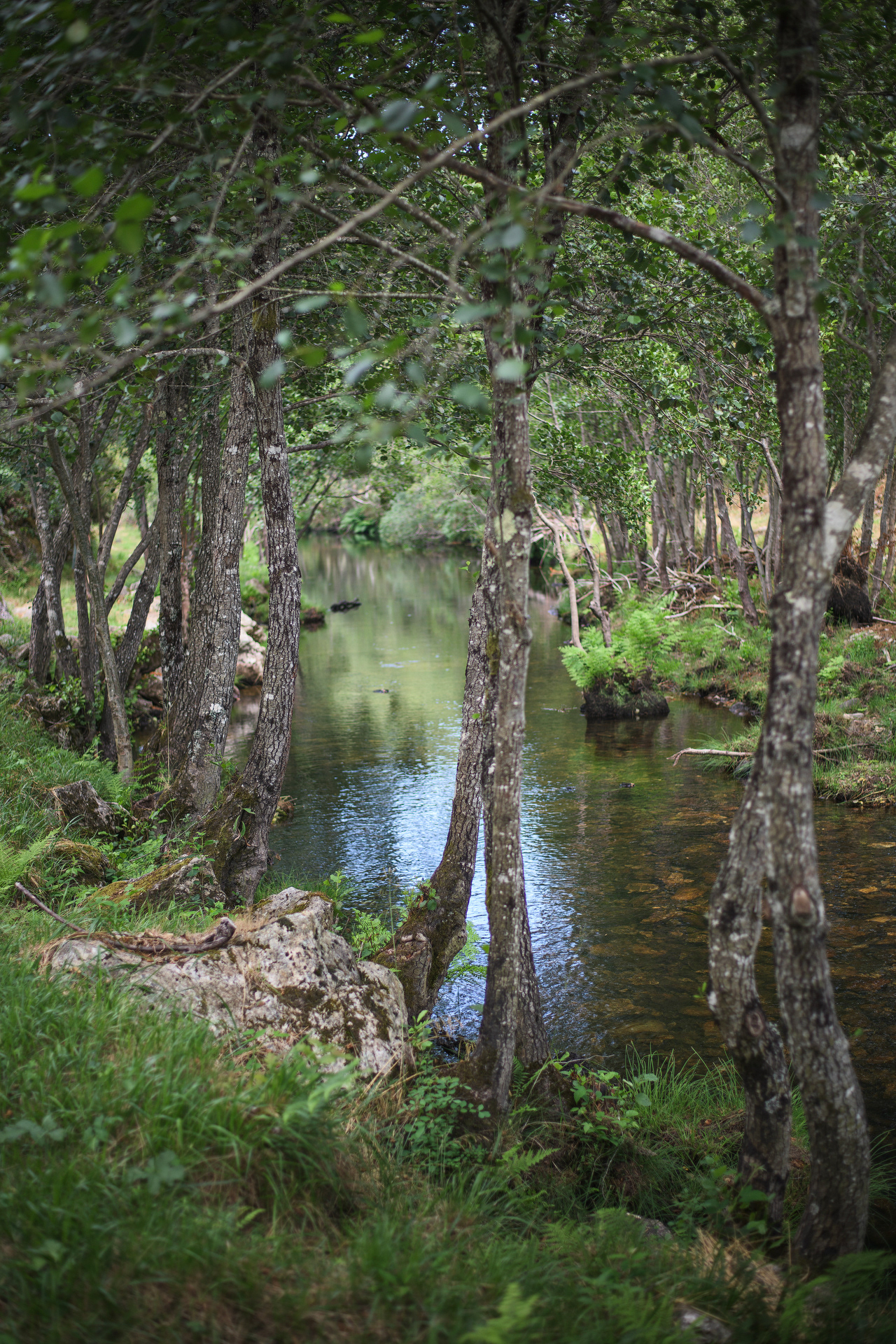
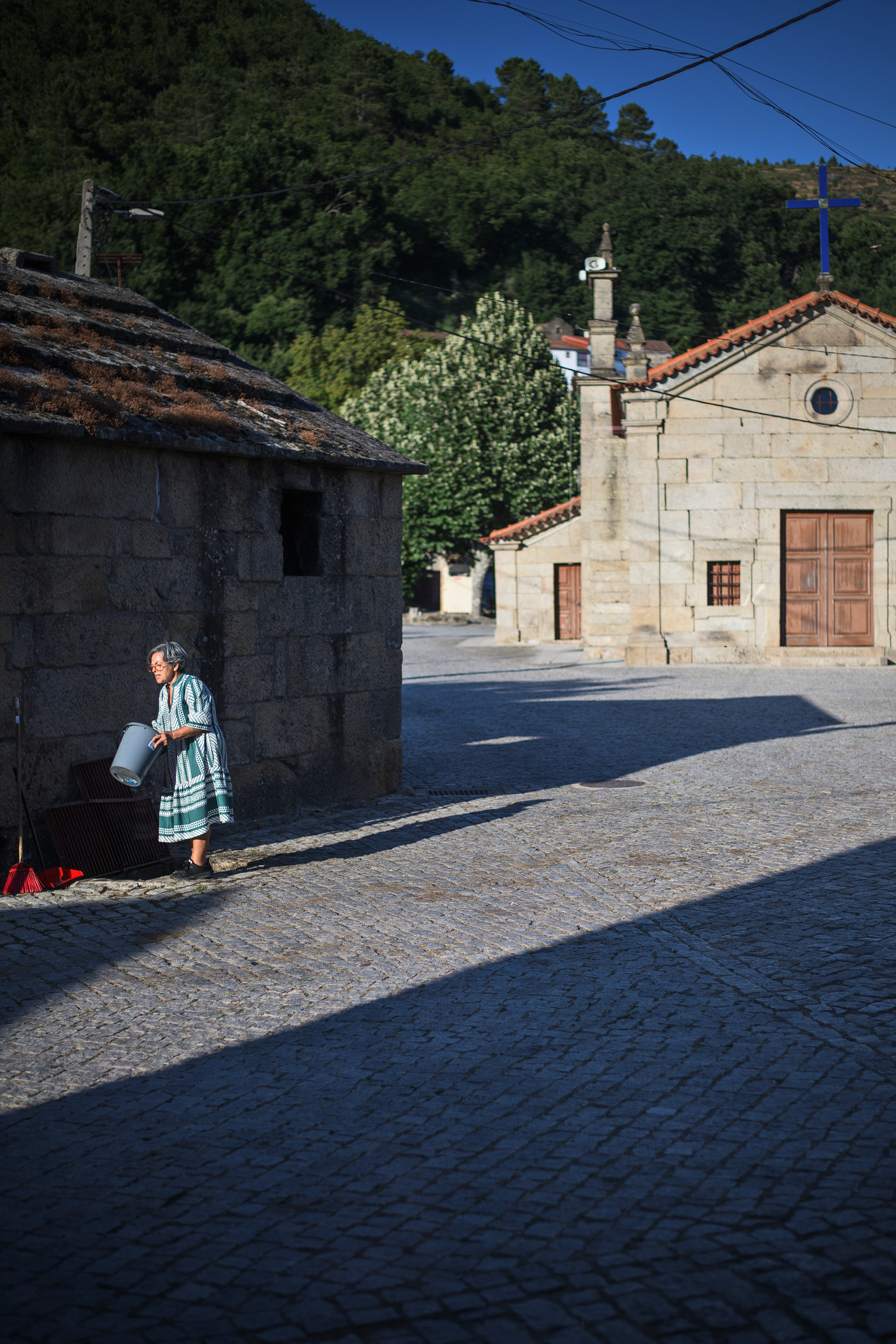
In northern Portugal lies a small community, shaped by centuries of delicate balance between people and nature. Yet beneath the soil, a resource vital to Europe’s future lies hidden: lithium. This silvery-white metal has become the backbone of the global transition to clean energy, powering electric vehicles, batteries, and the technologies central to the green transition.
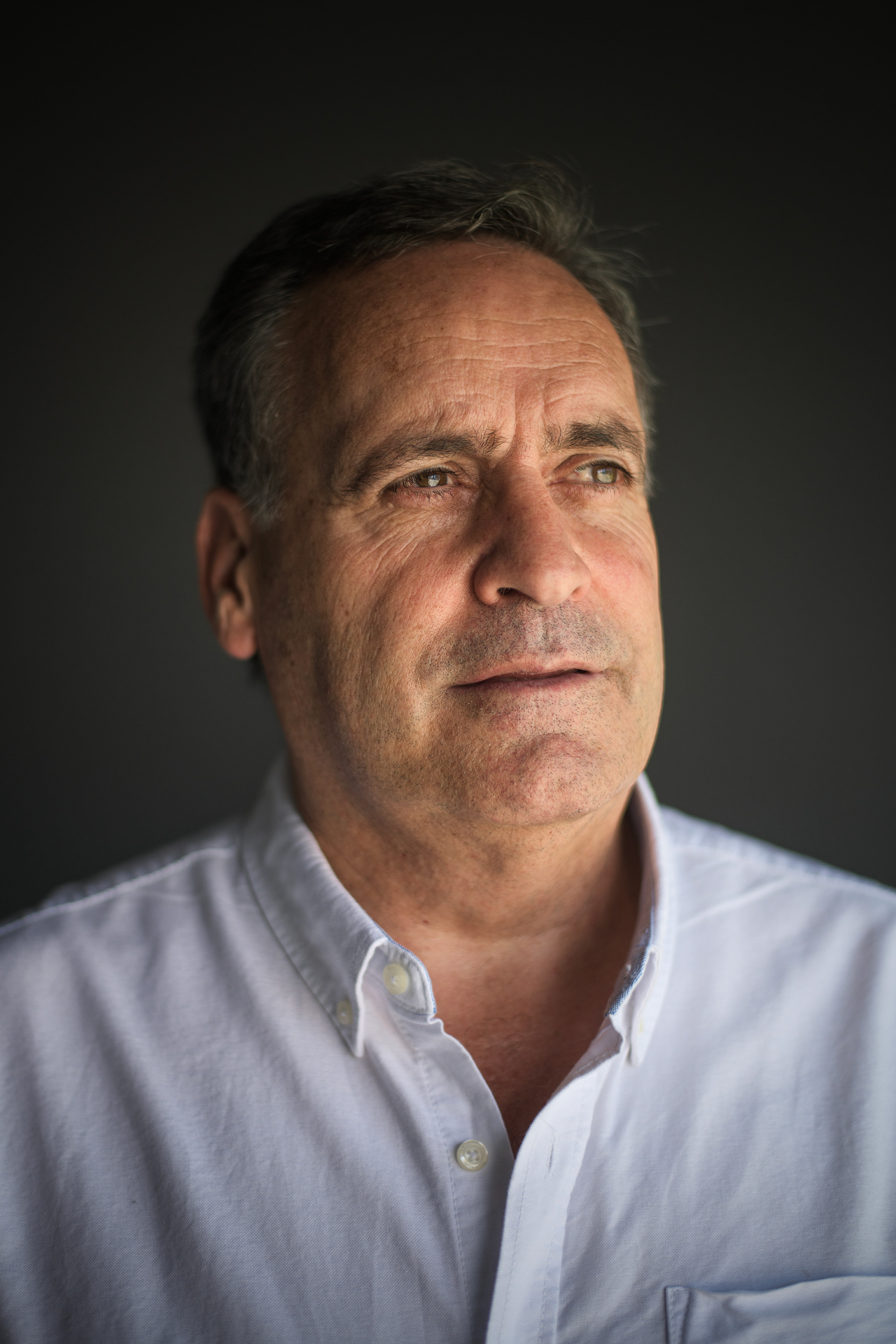
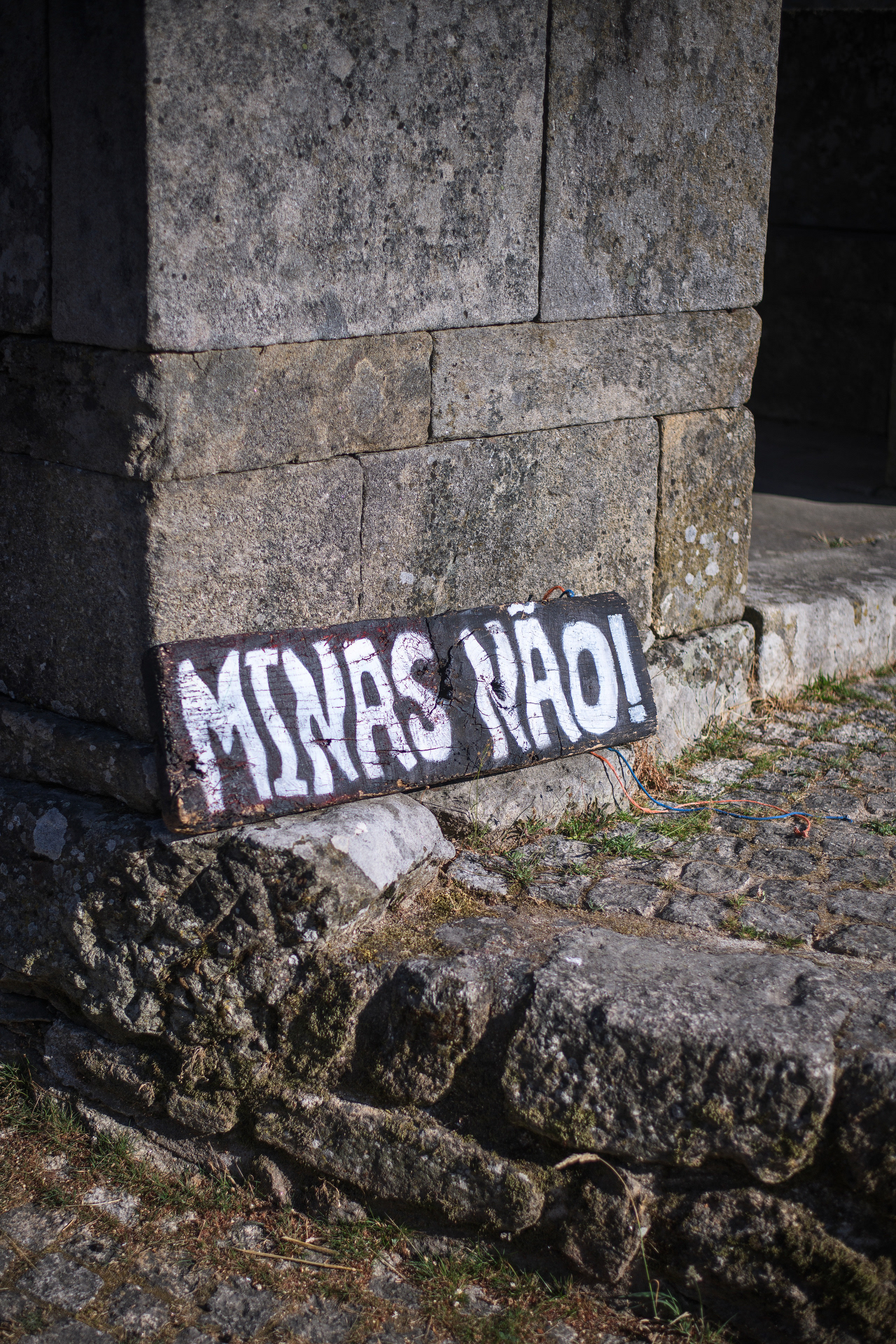
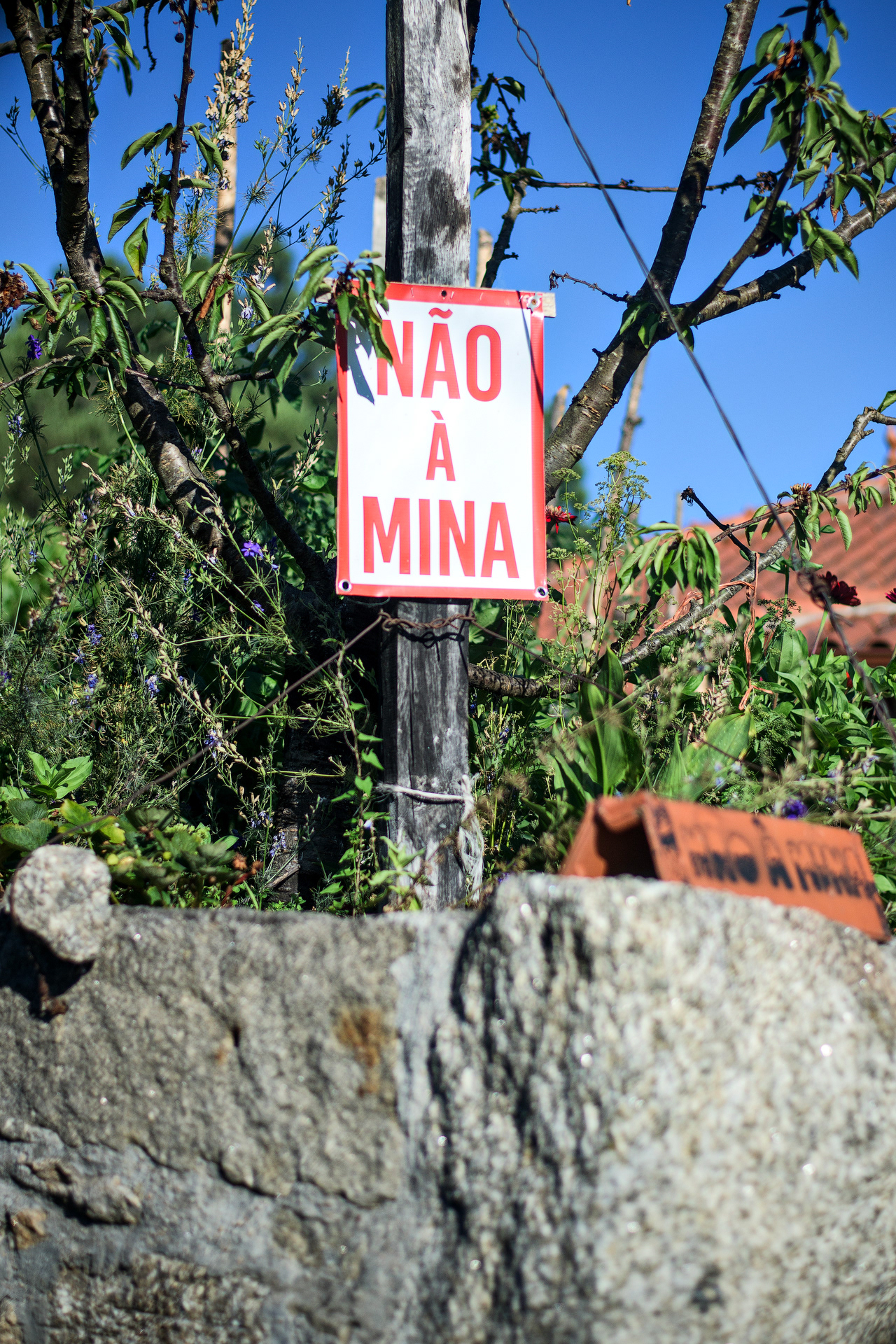
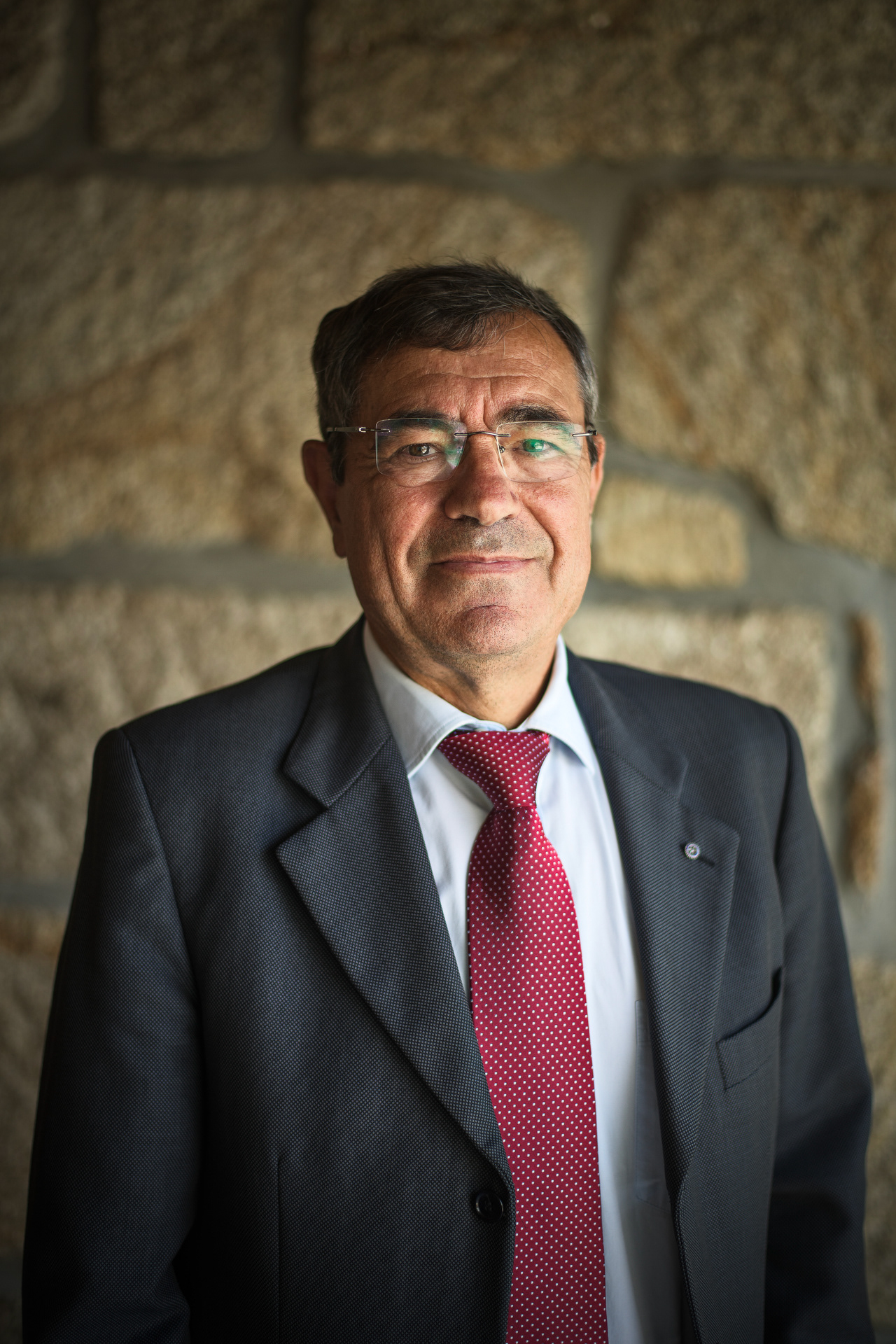
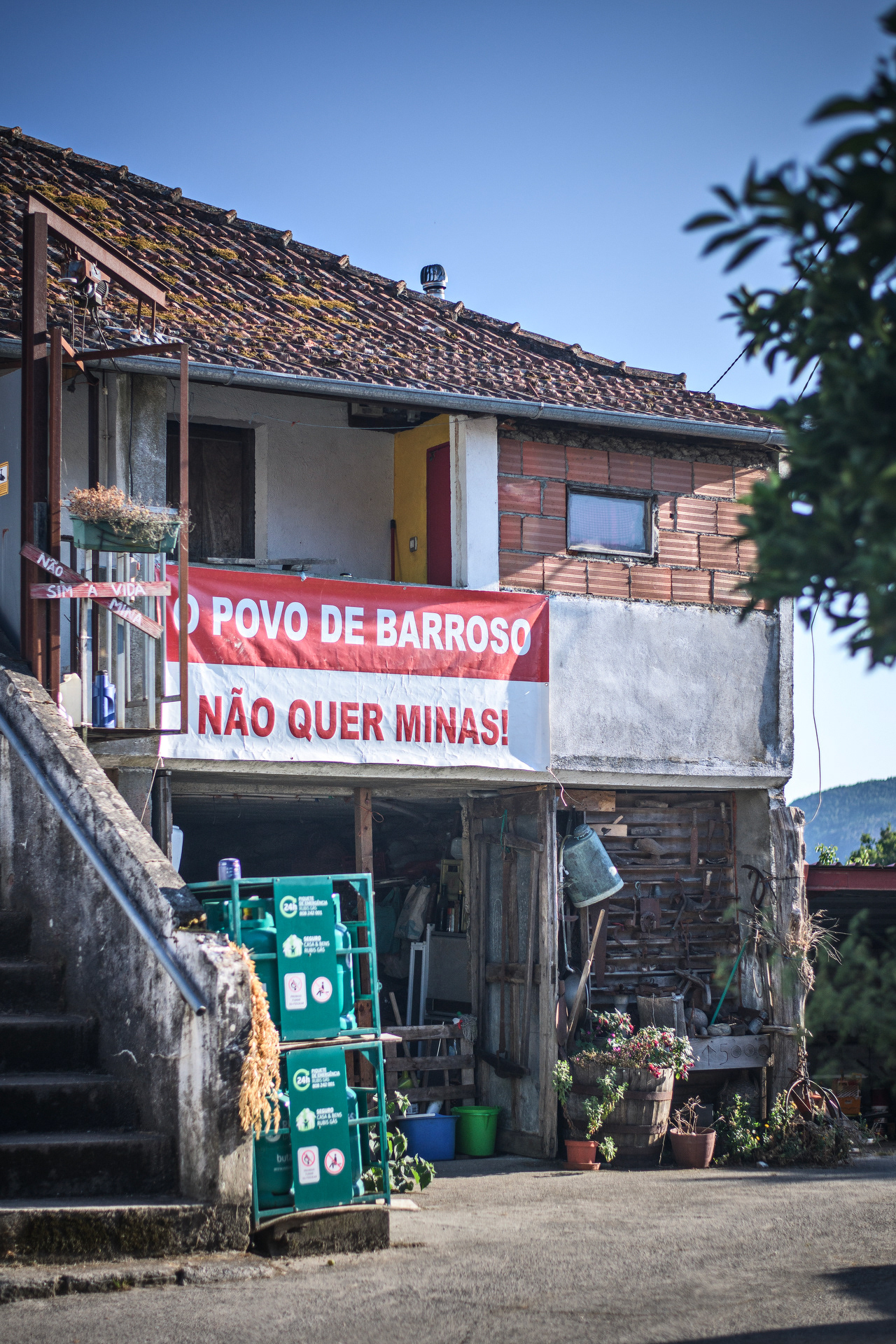
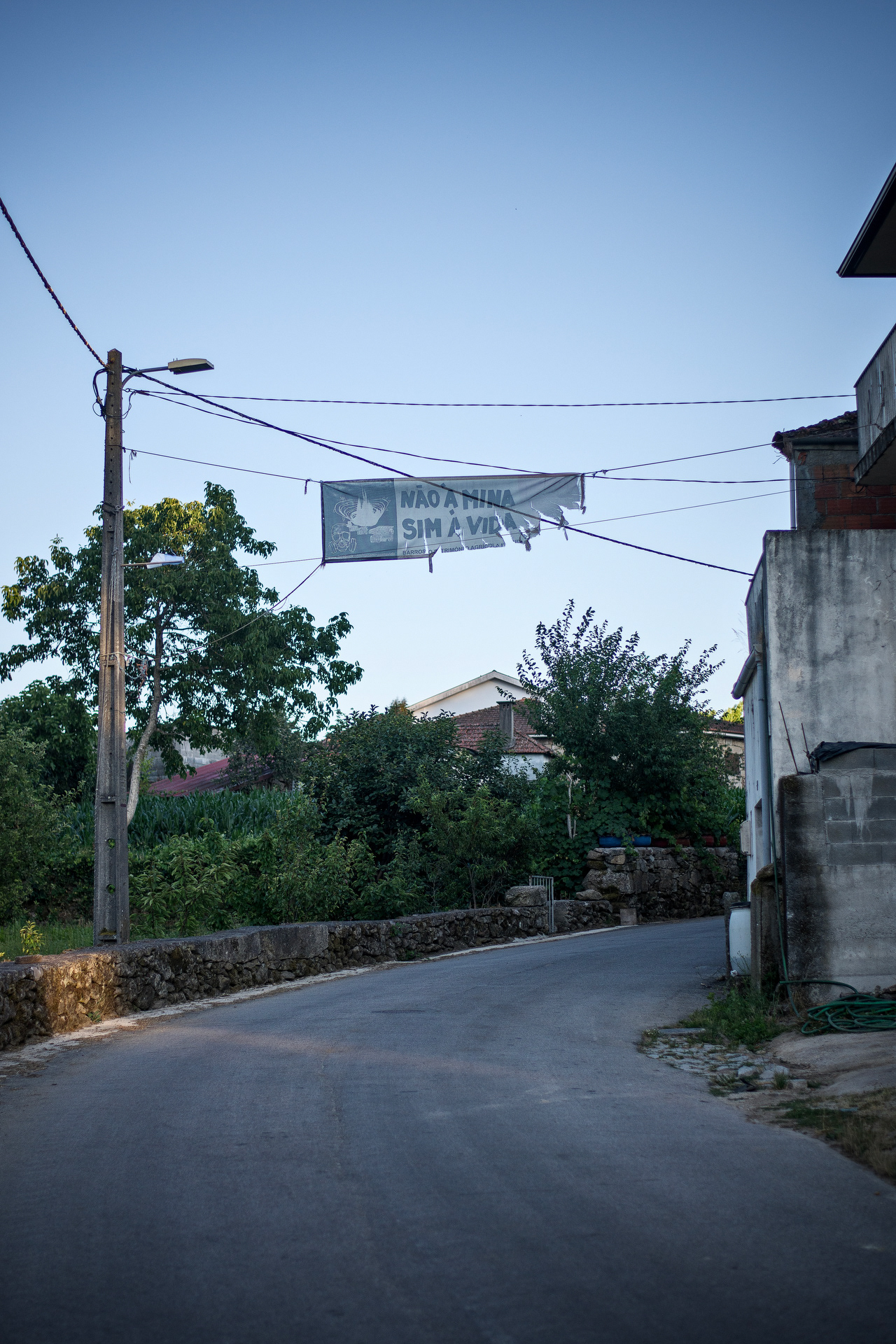
To the European Union, lithium represents strategic autonomy - a chance to reduce dependence on foreign sources and accelerate the shift to renewable energy. To the people who call this region home, it is about preserving the landscape, their way of life, and the right to remain on the land that has sustained their families for generations.
Barroso, this small Portuguese region, has thus come to symbolize a broader global tension. The debate is not only about how to achieve the green transition, but also for whom it is intended - and what communities and ecosystems we are willing to sacrifice in the process. It raises fundamental questions about the intersection of environmental ambition, social justice, and the limits of human intervention in nature.