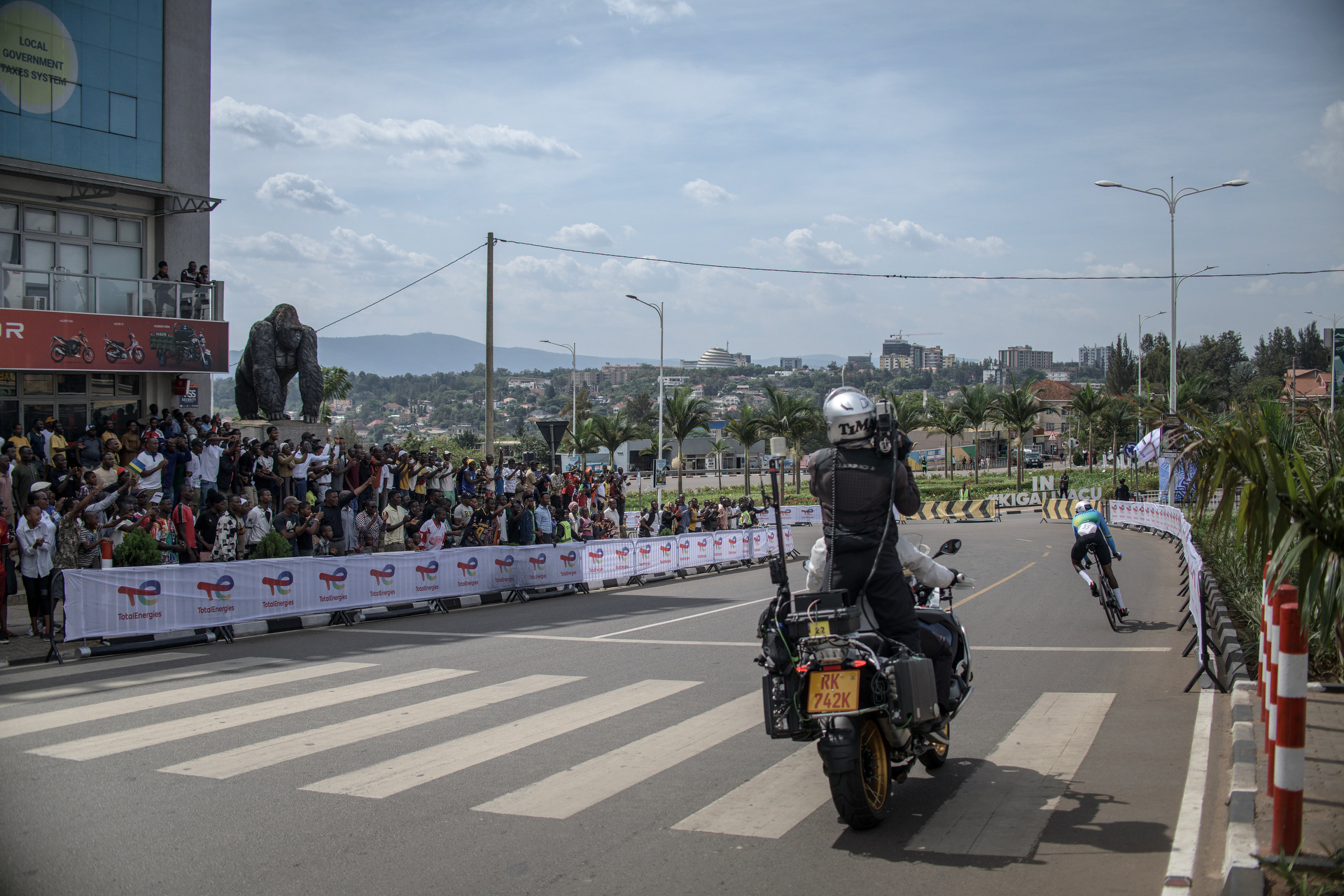
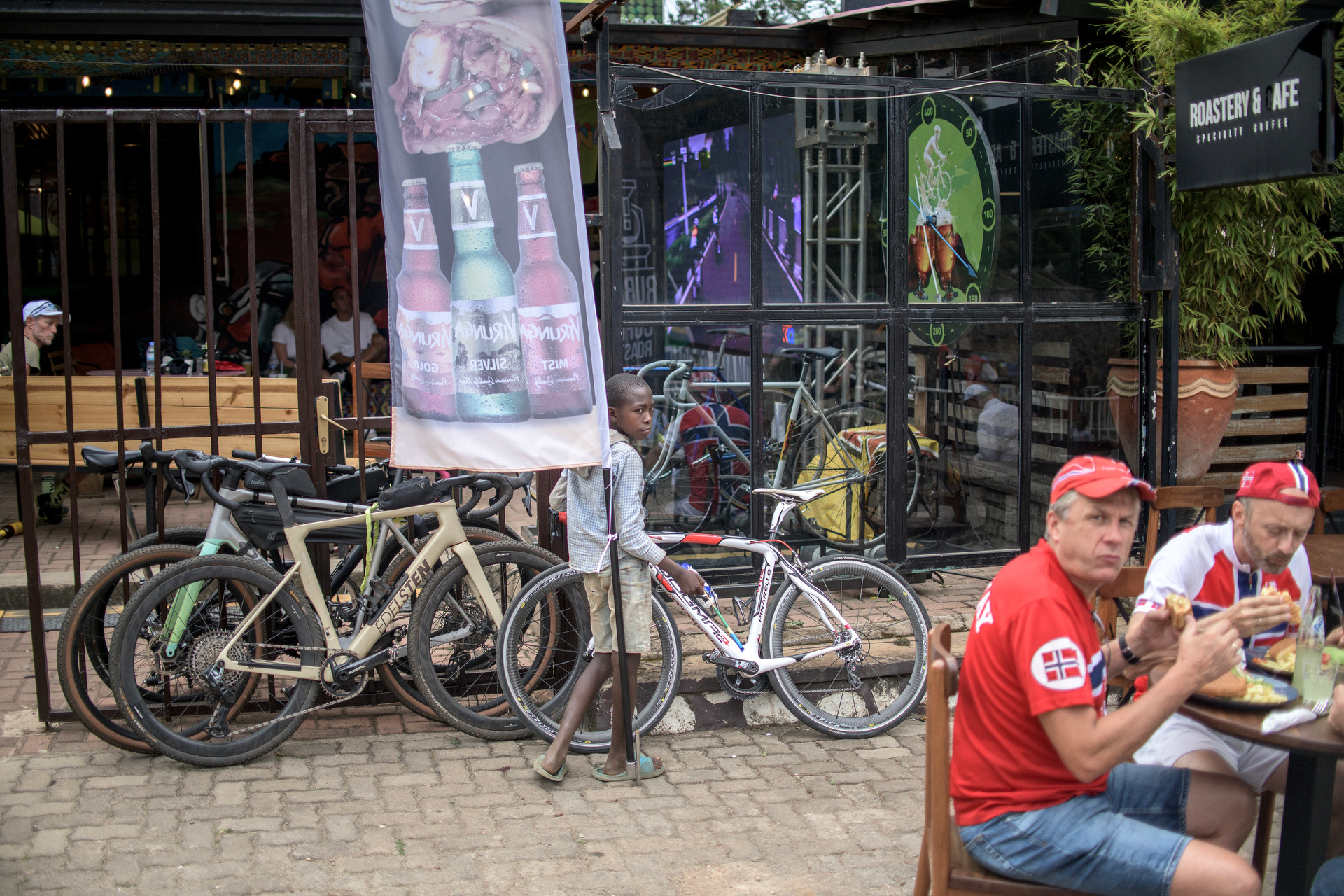
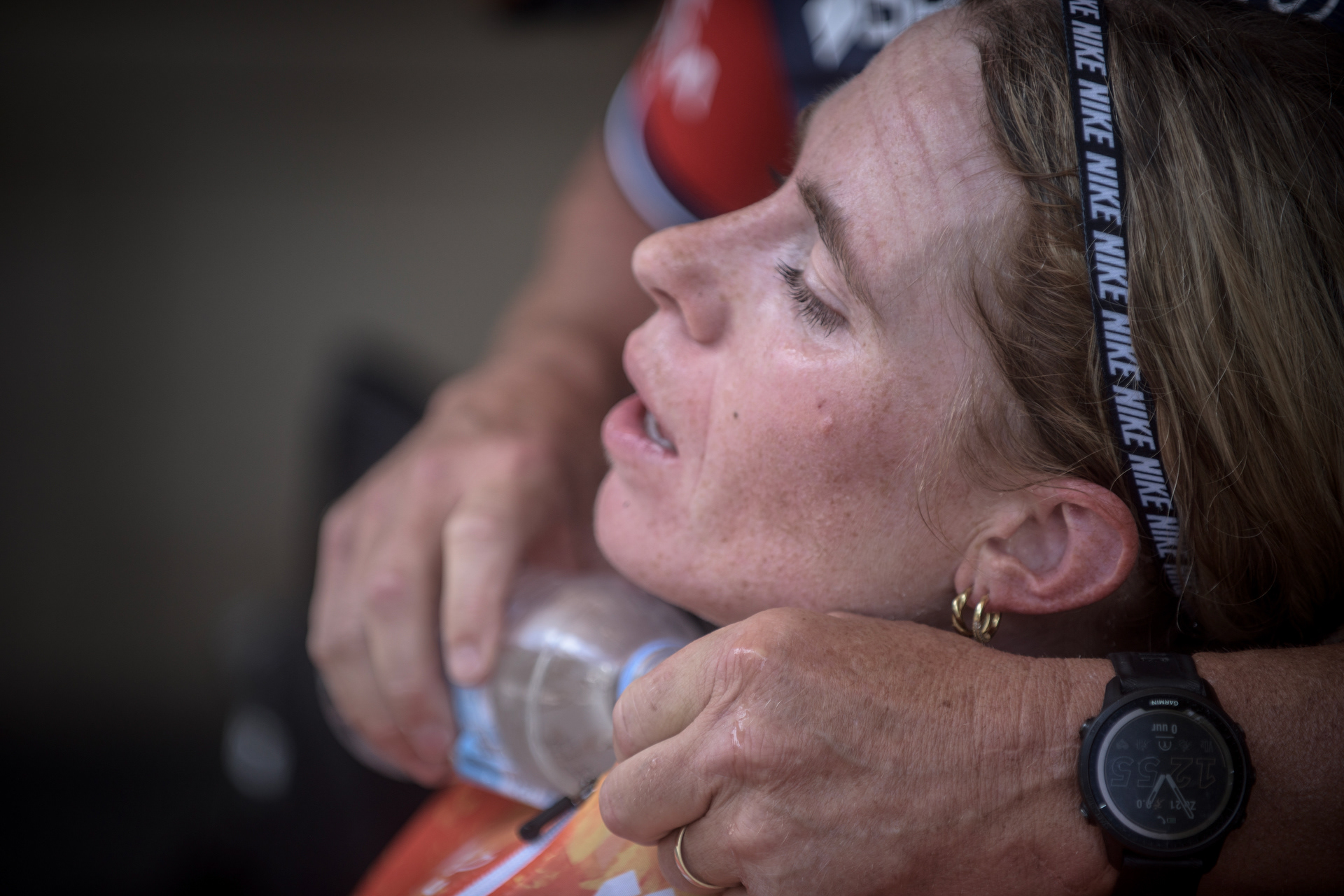
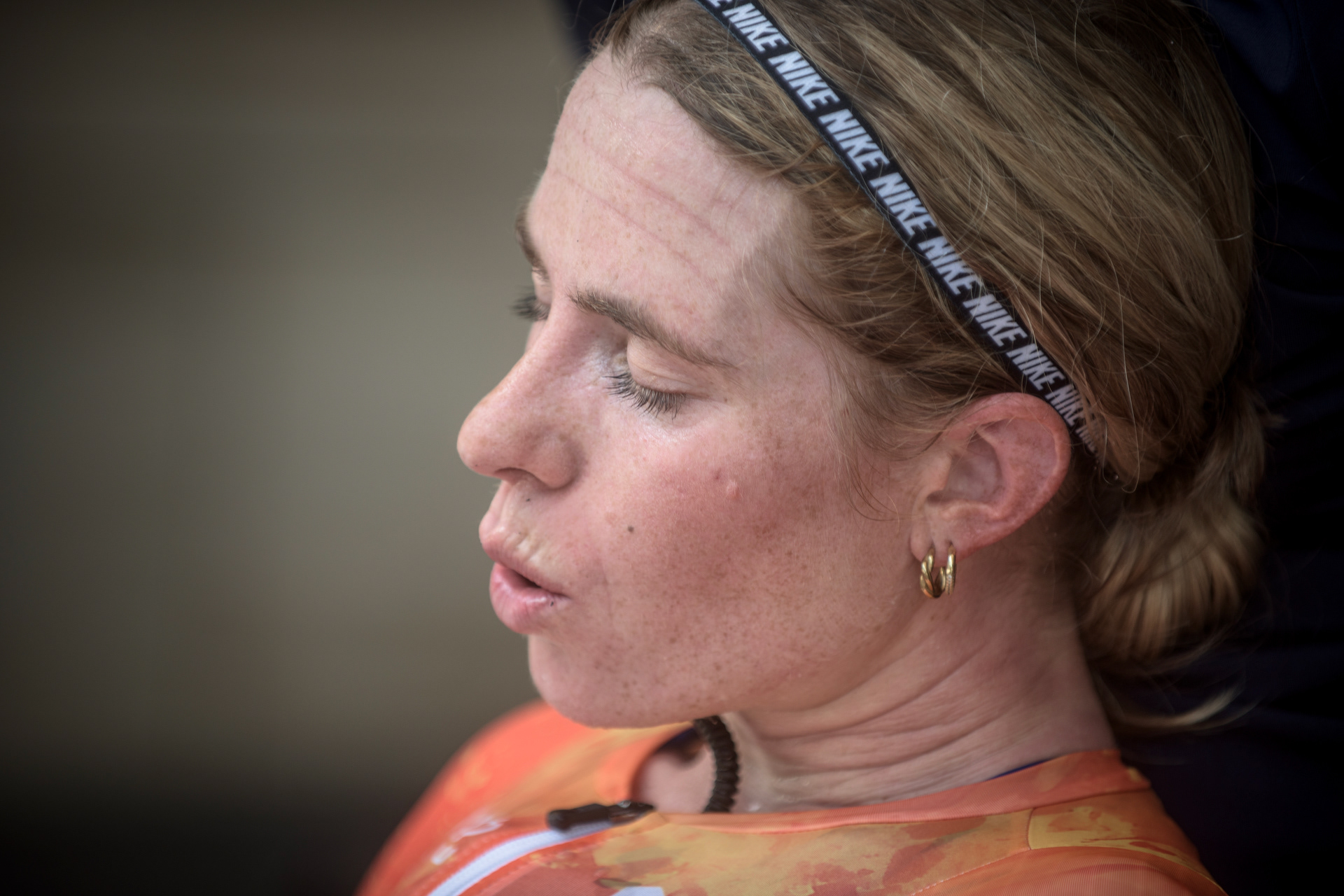
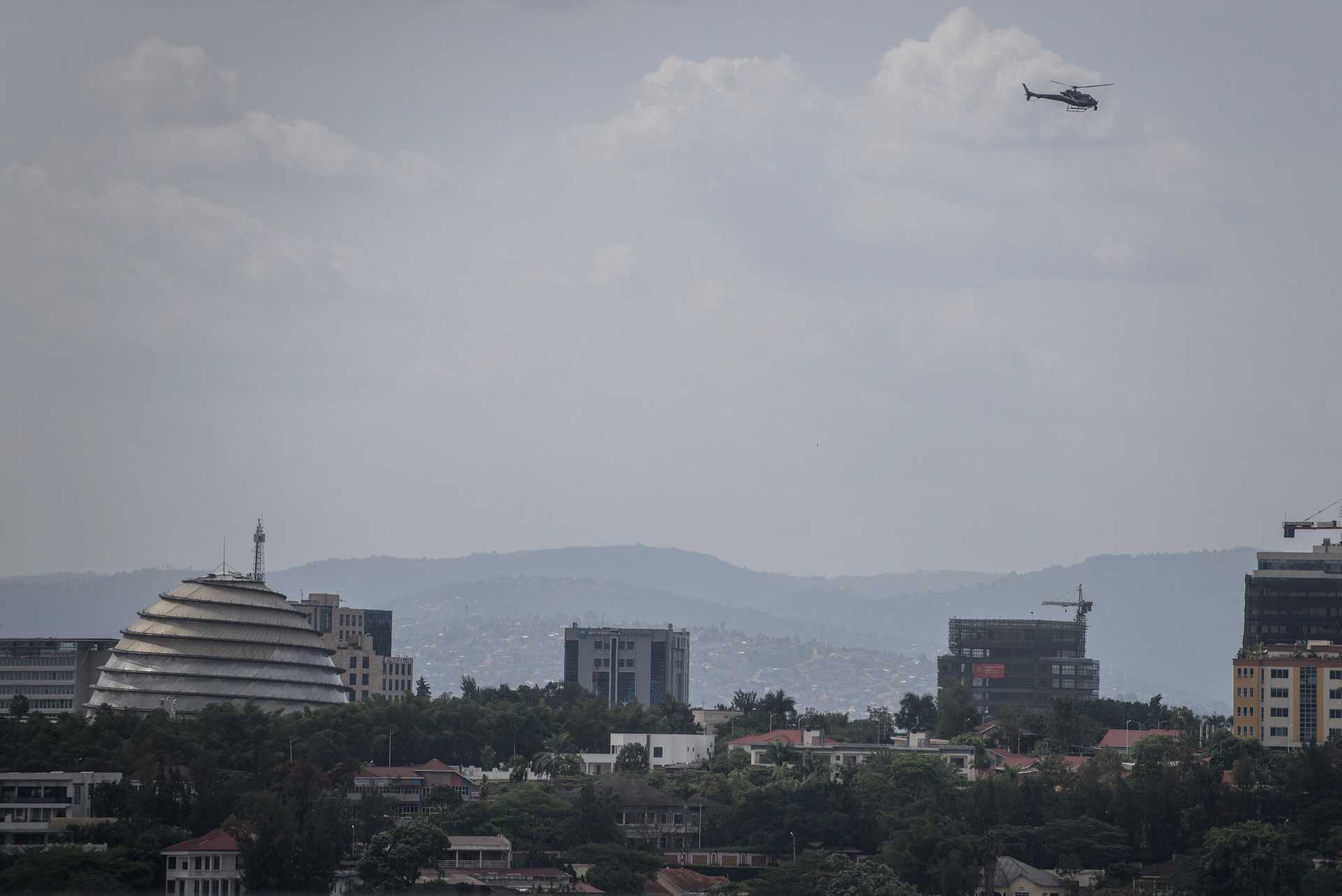
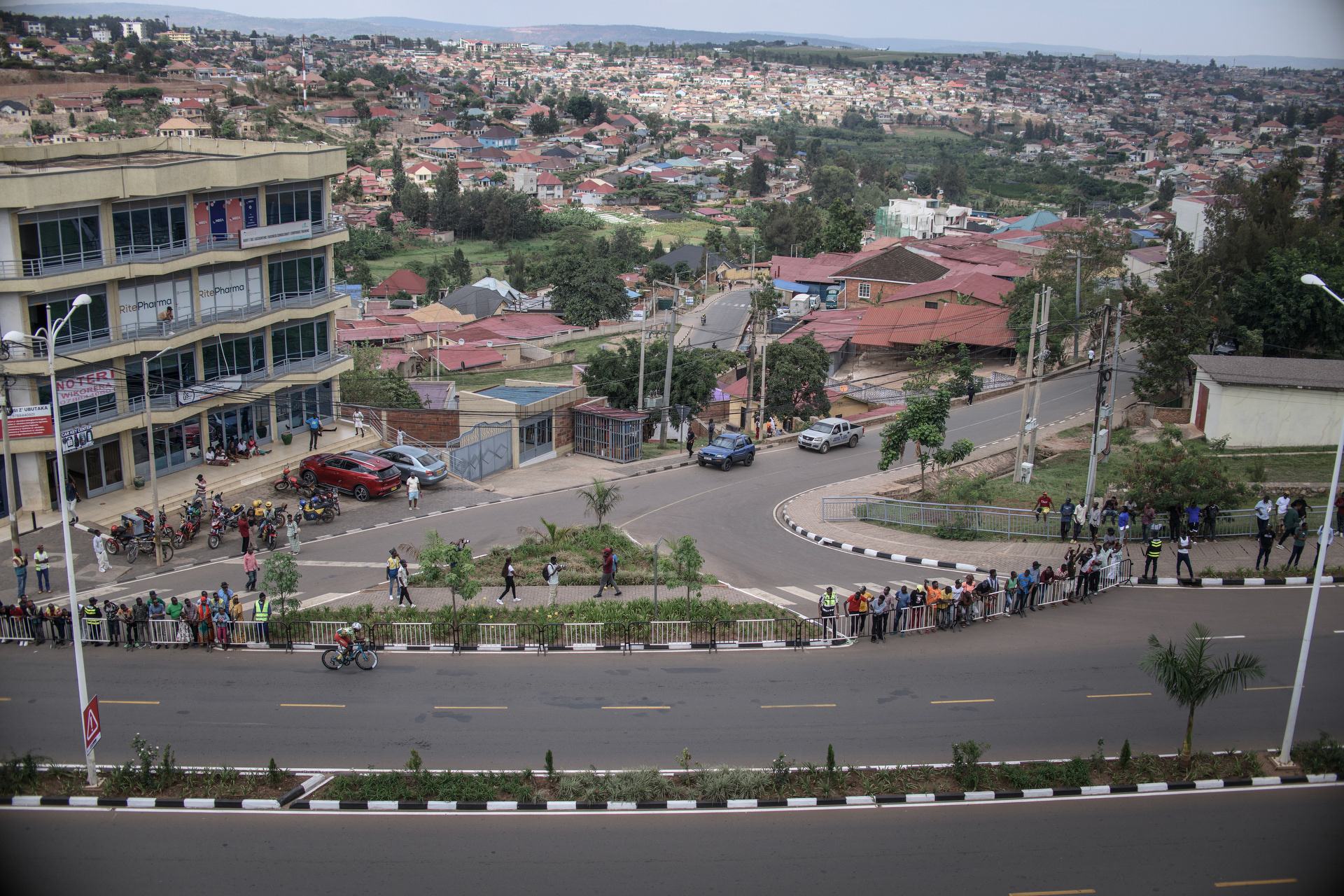
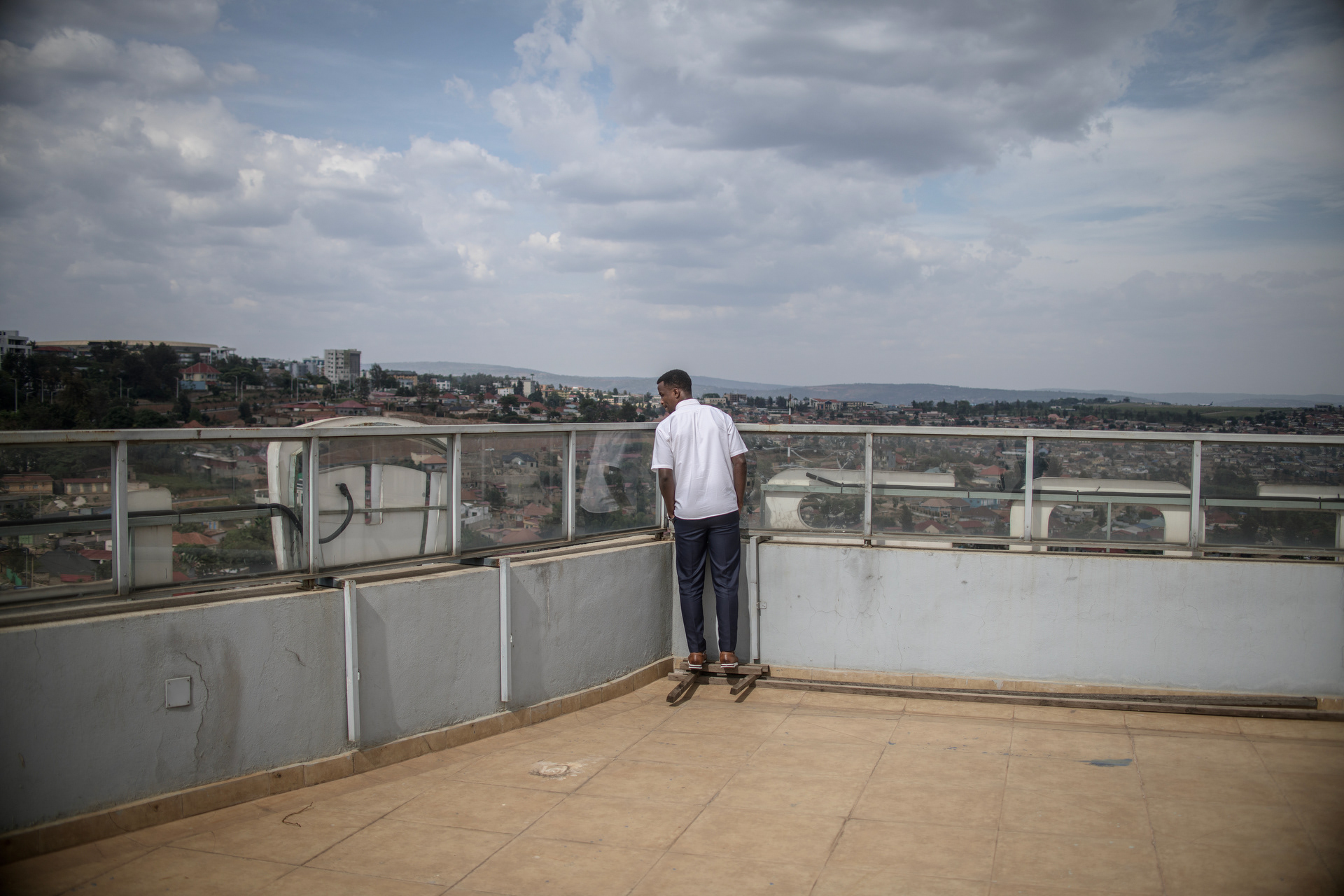
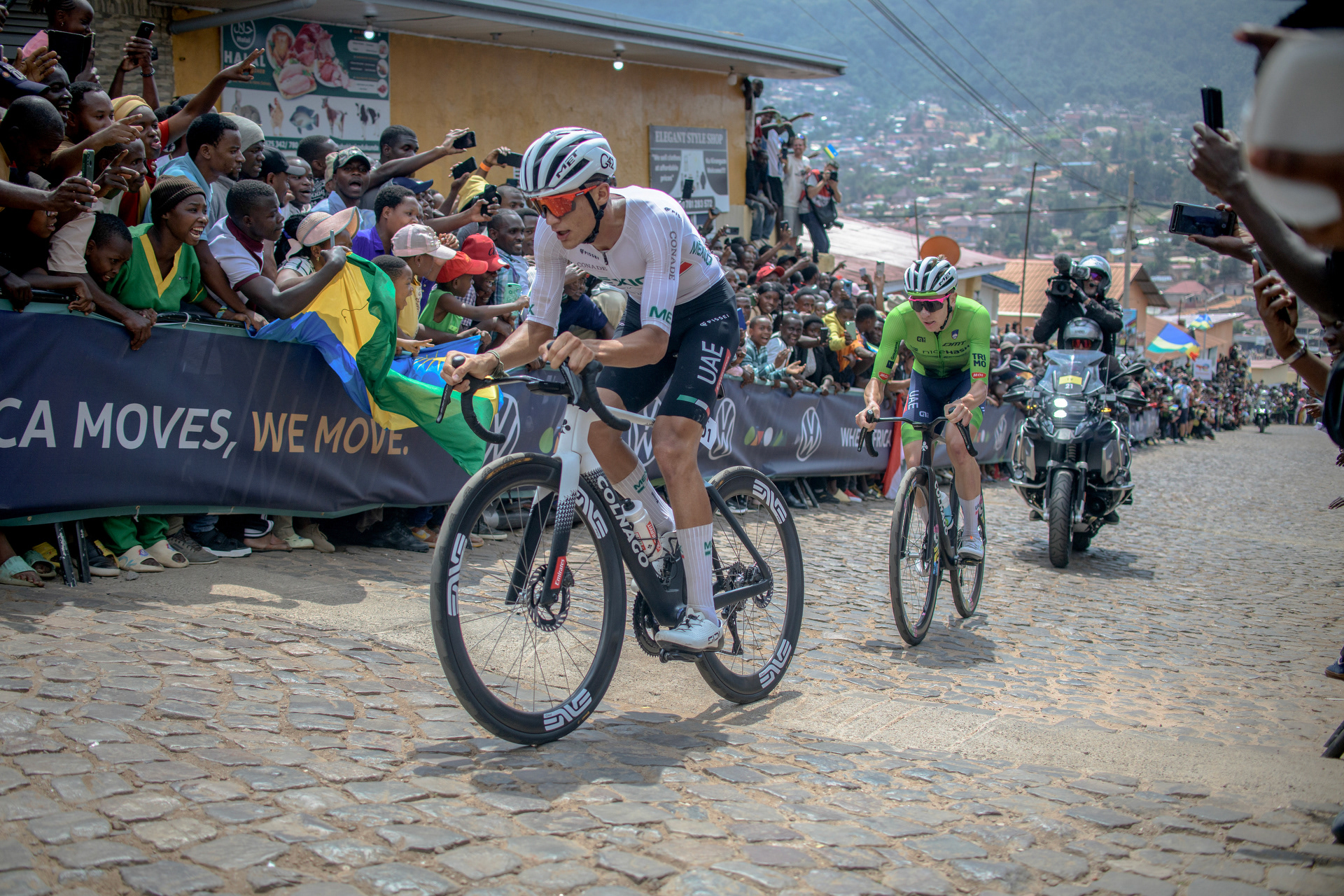
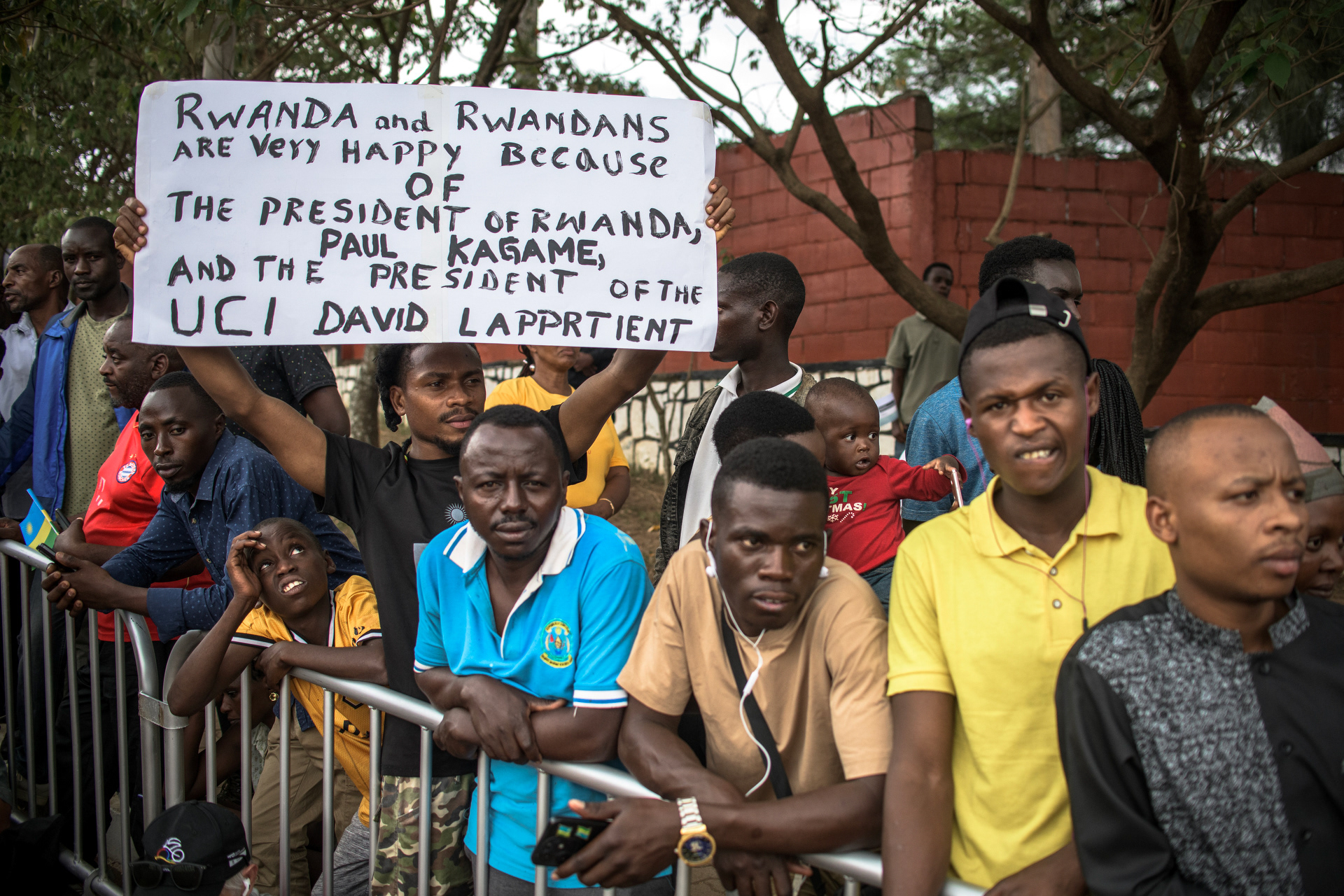
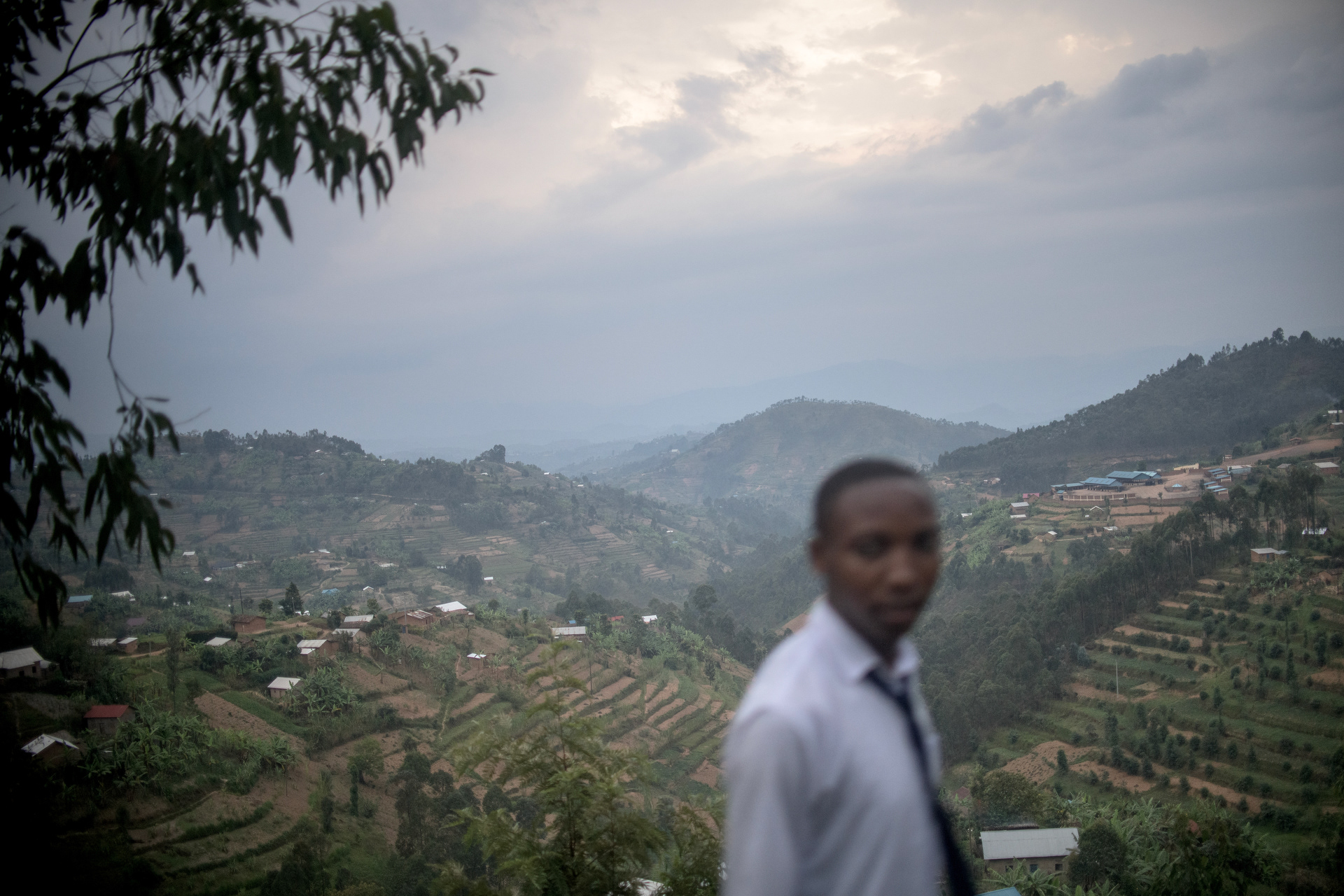
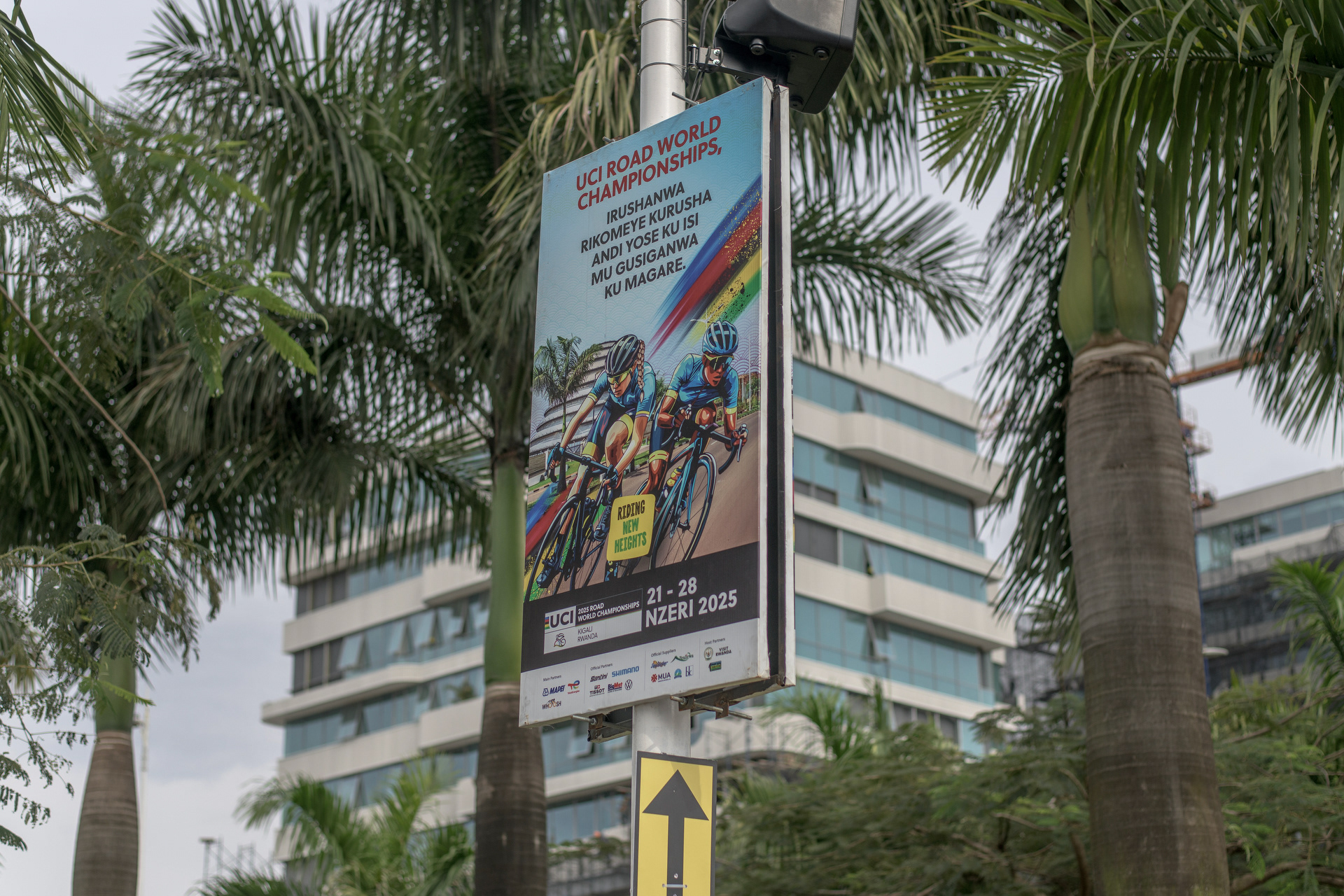
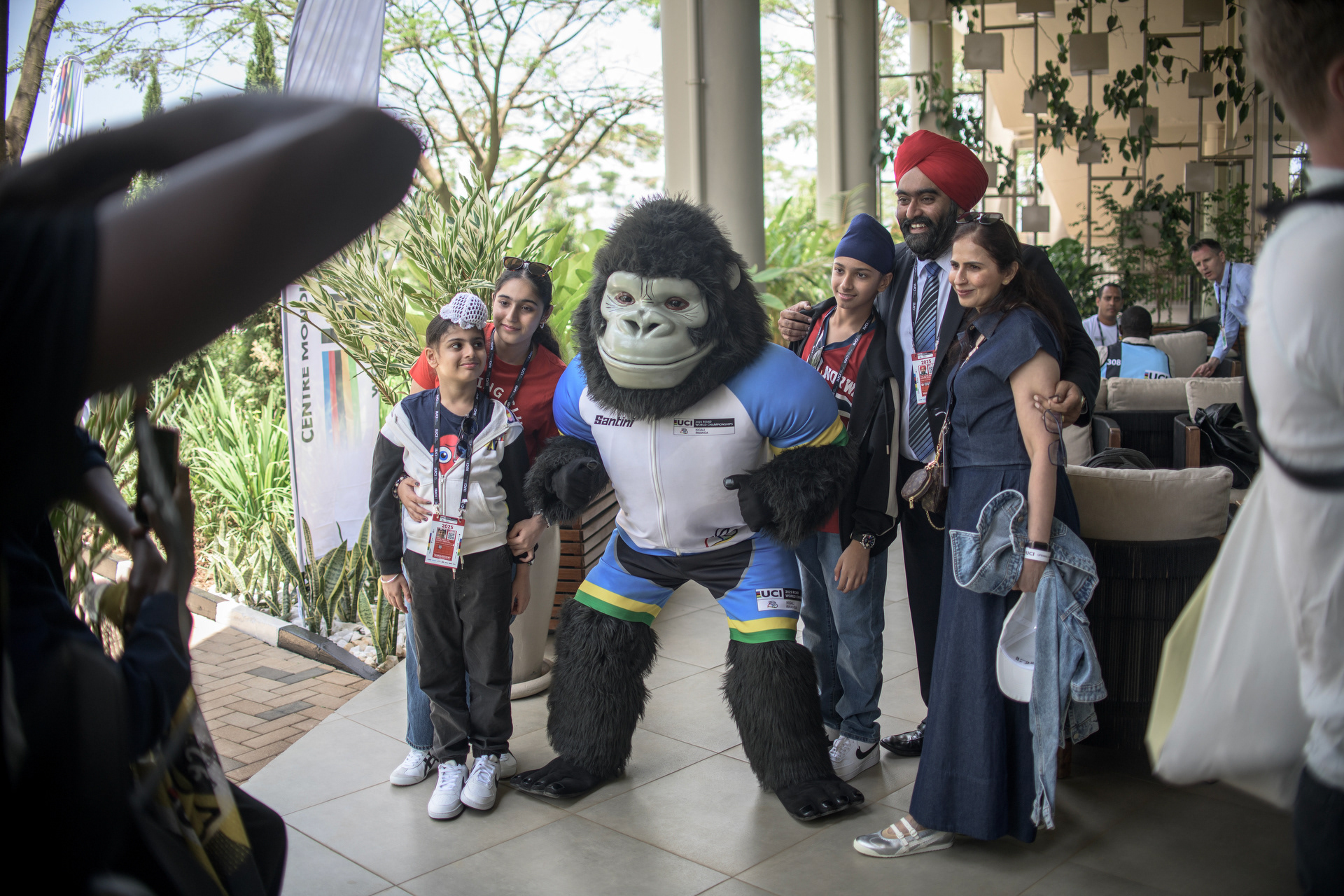
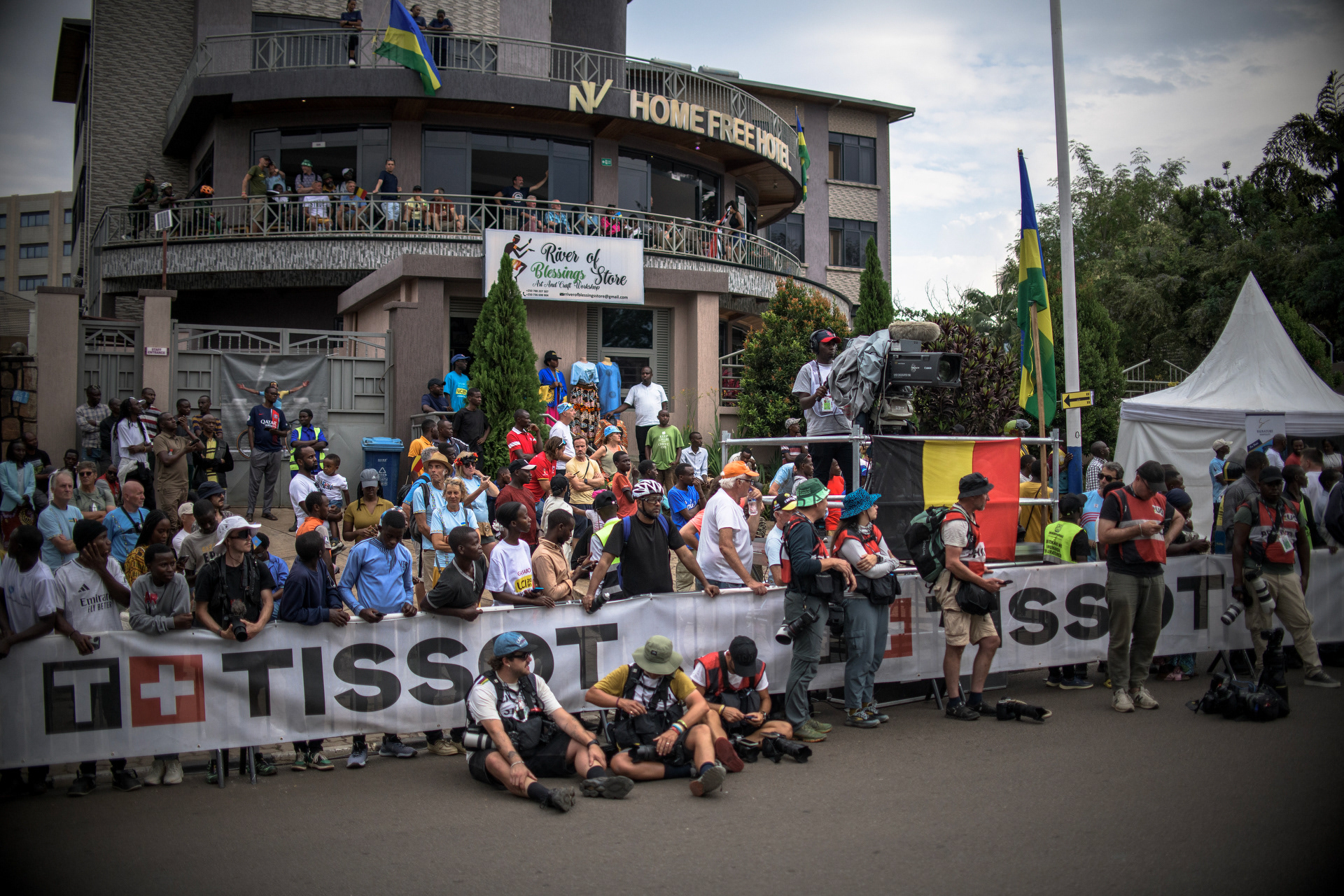
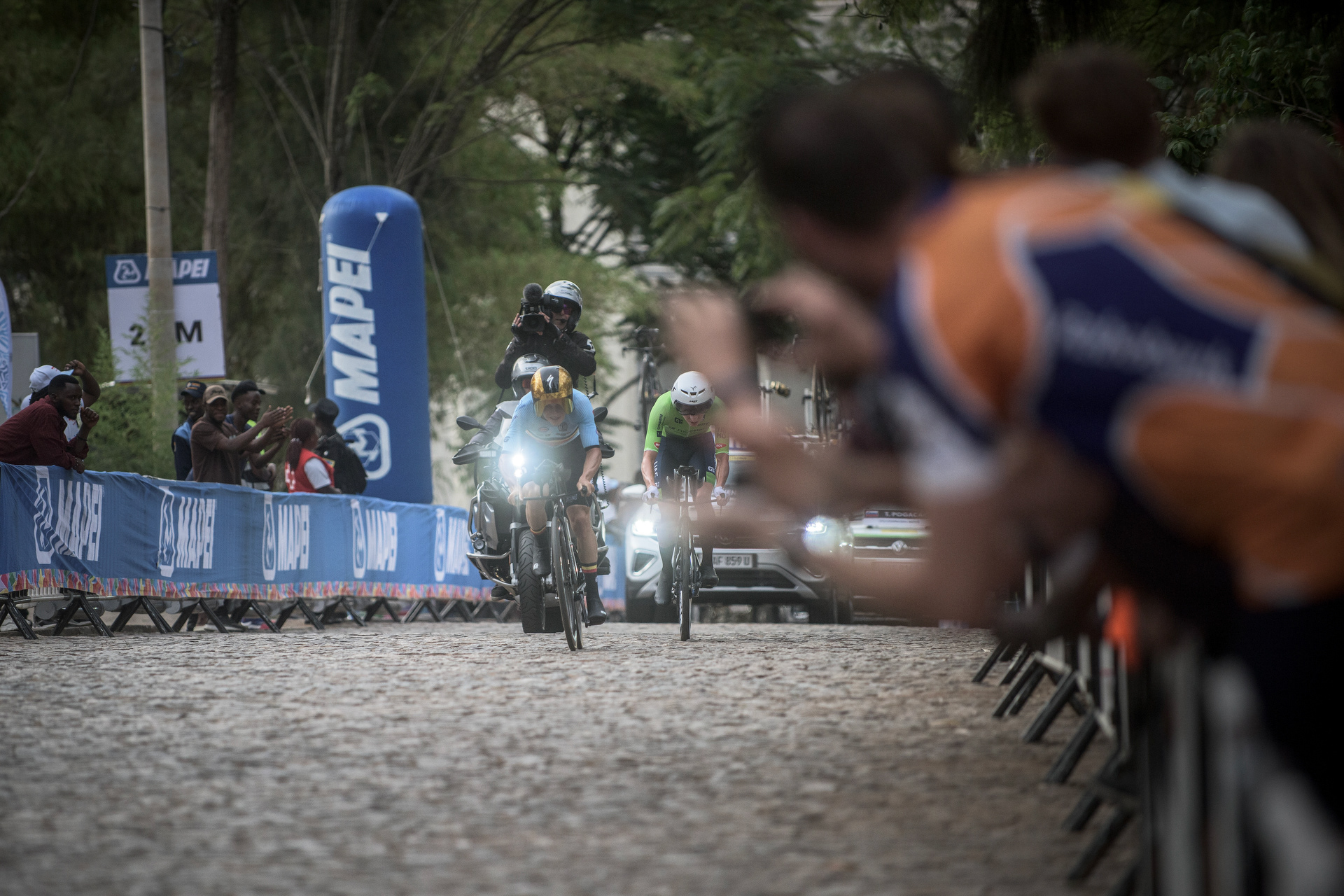
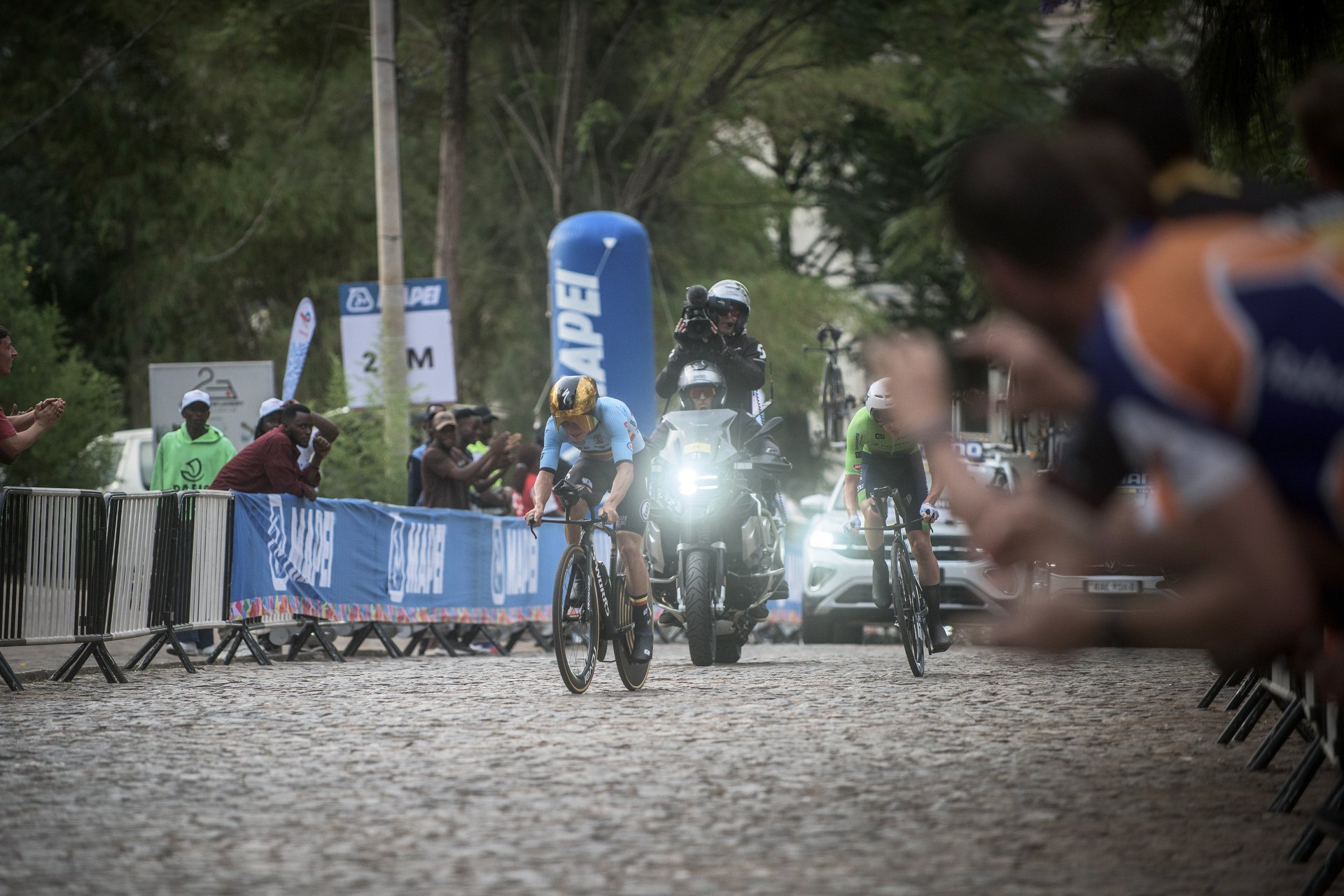
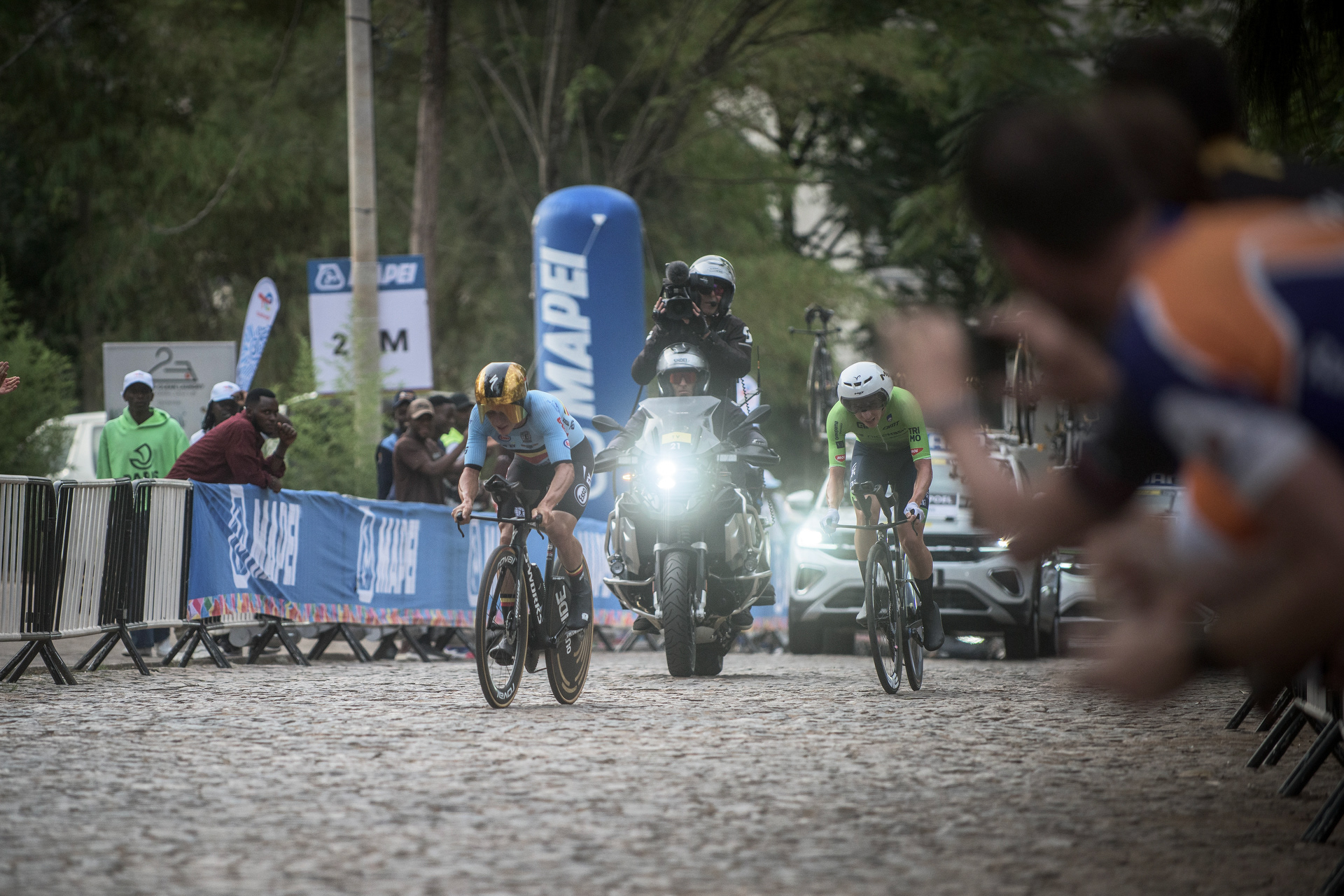
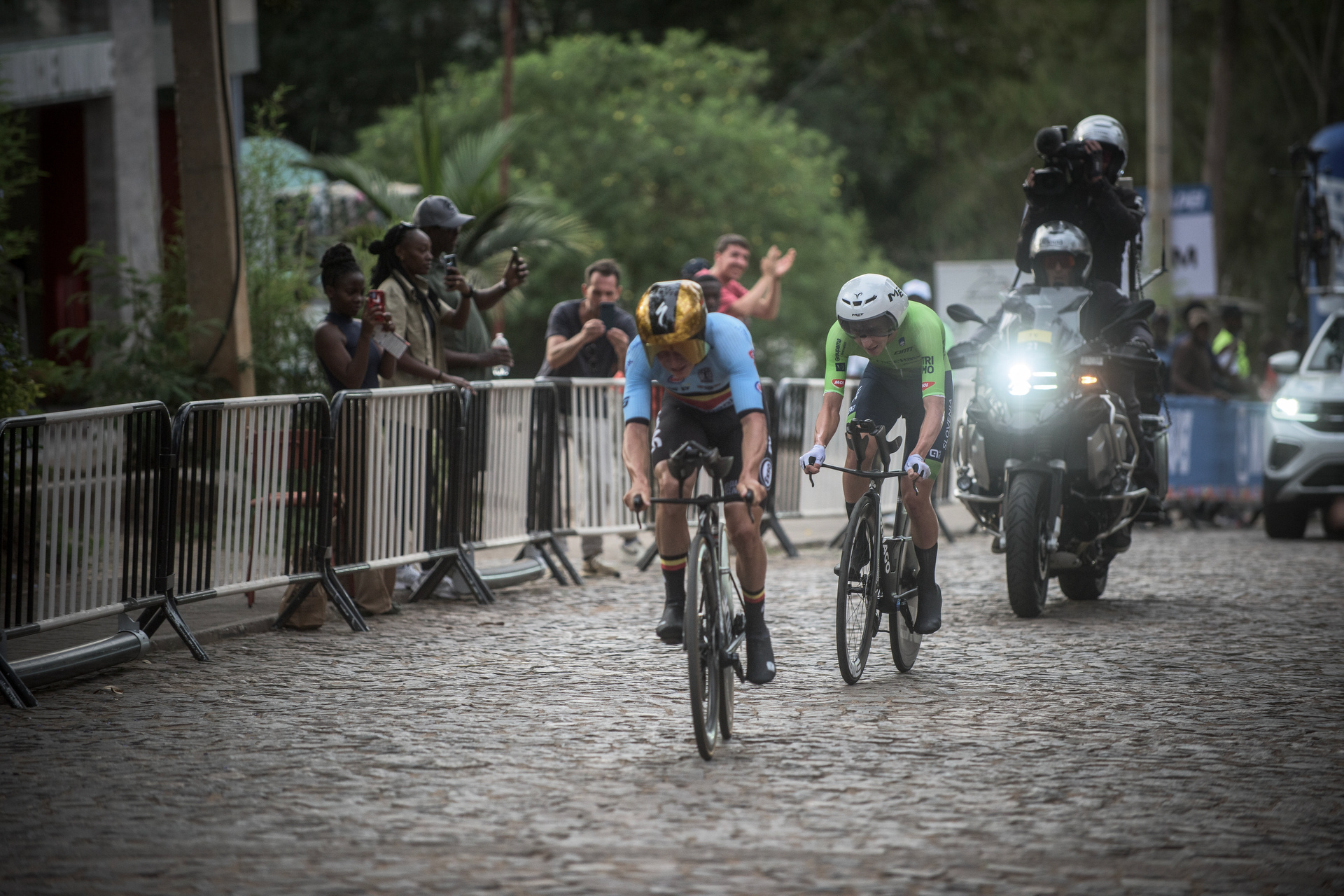
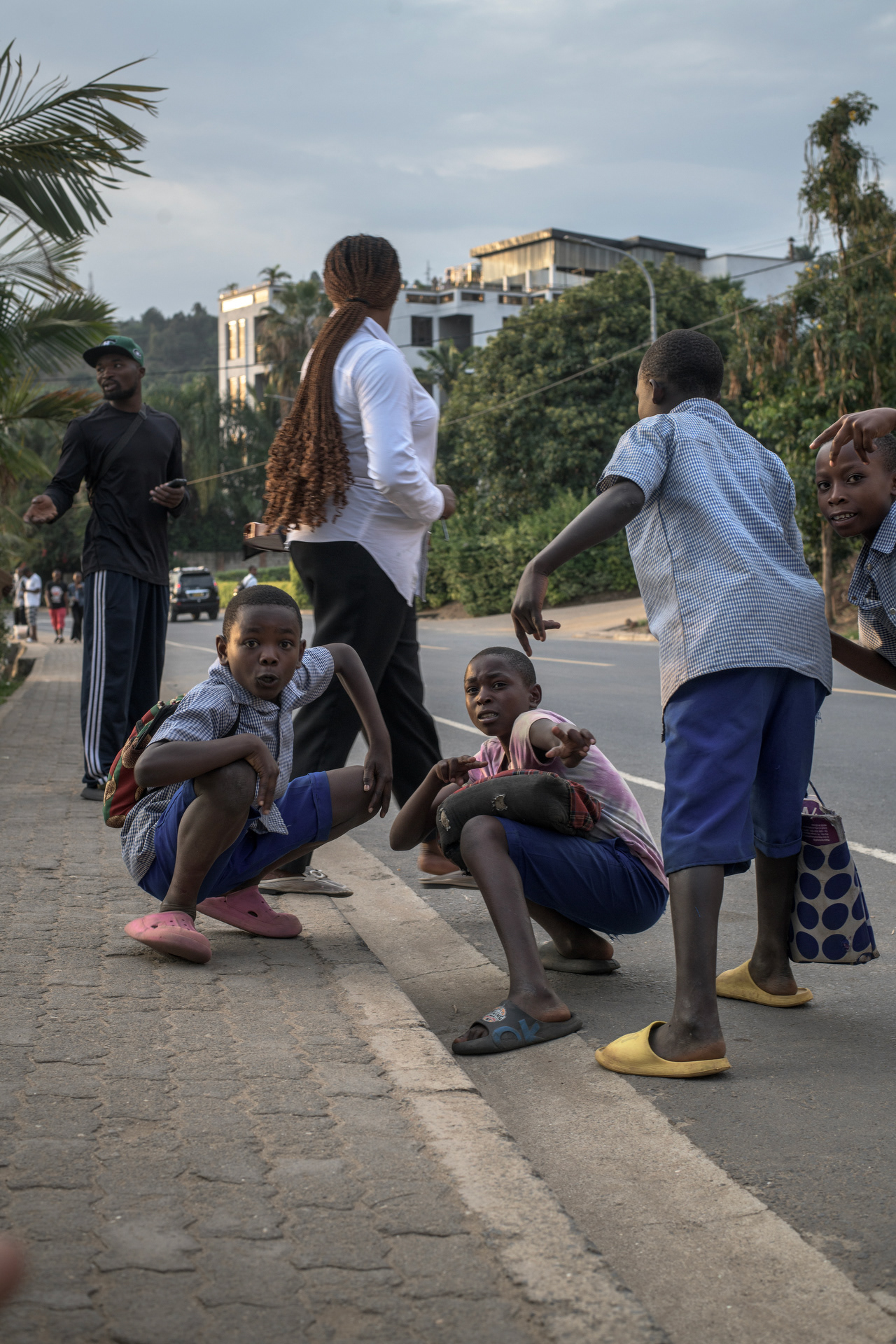
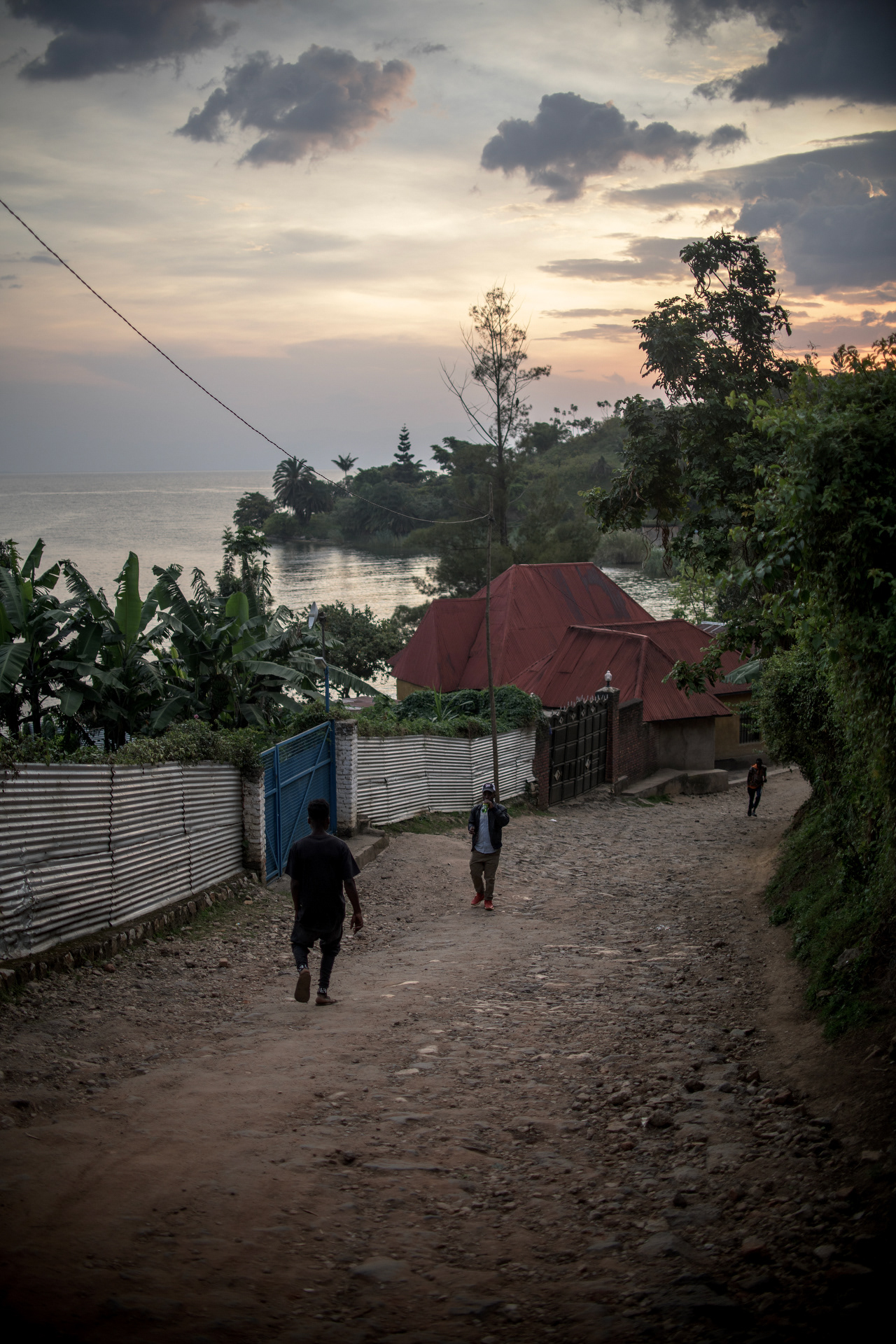
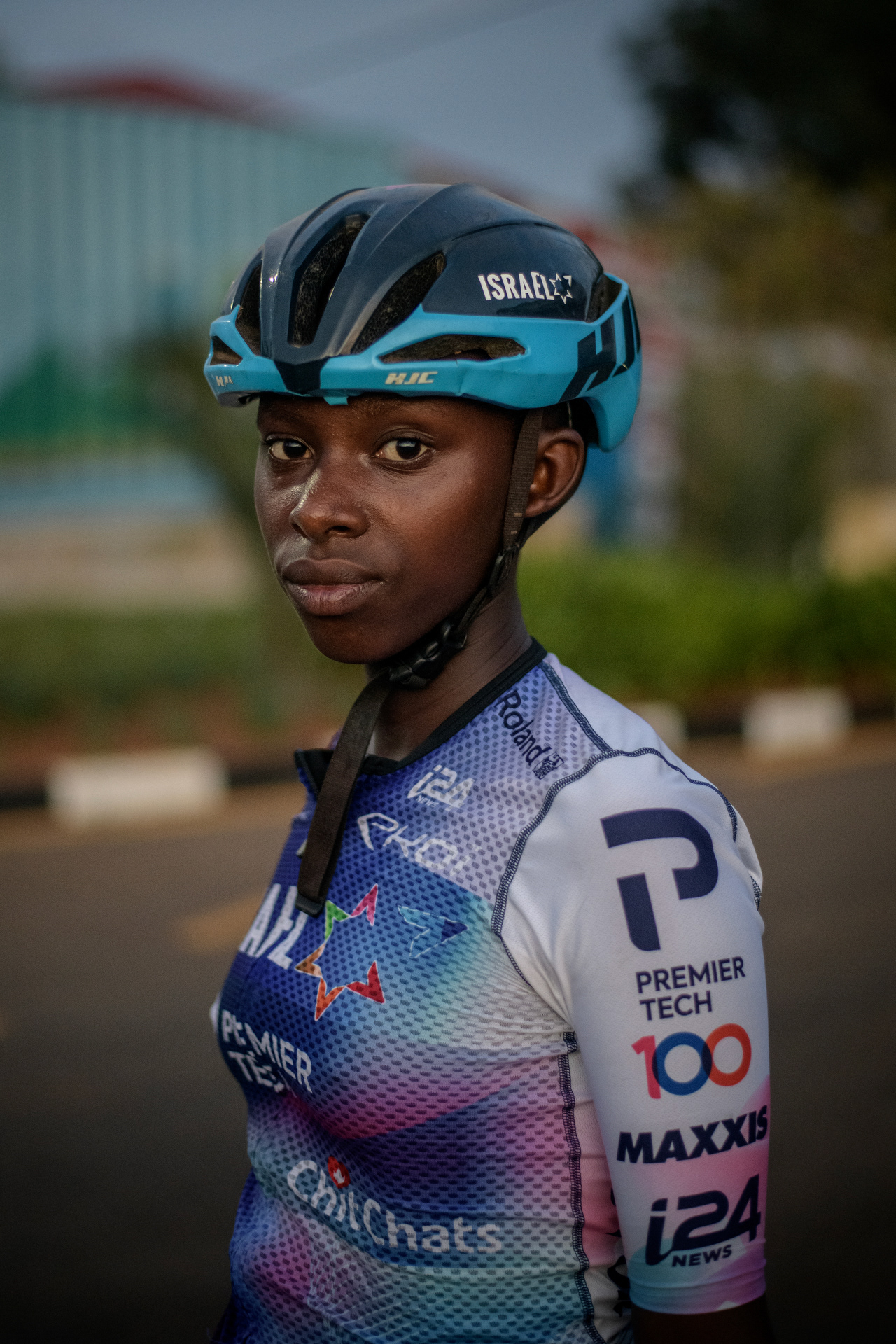
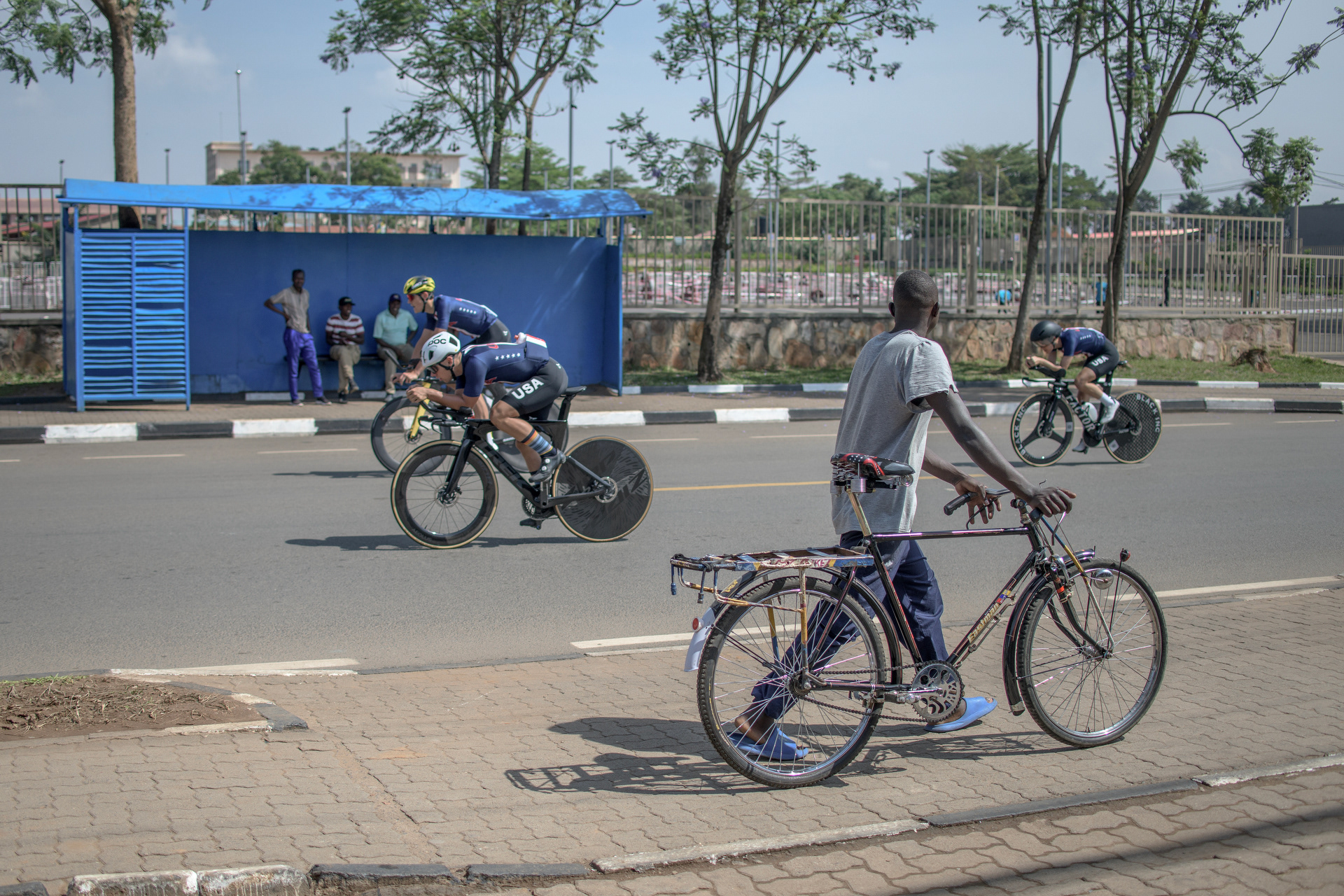
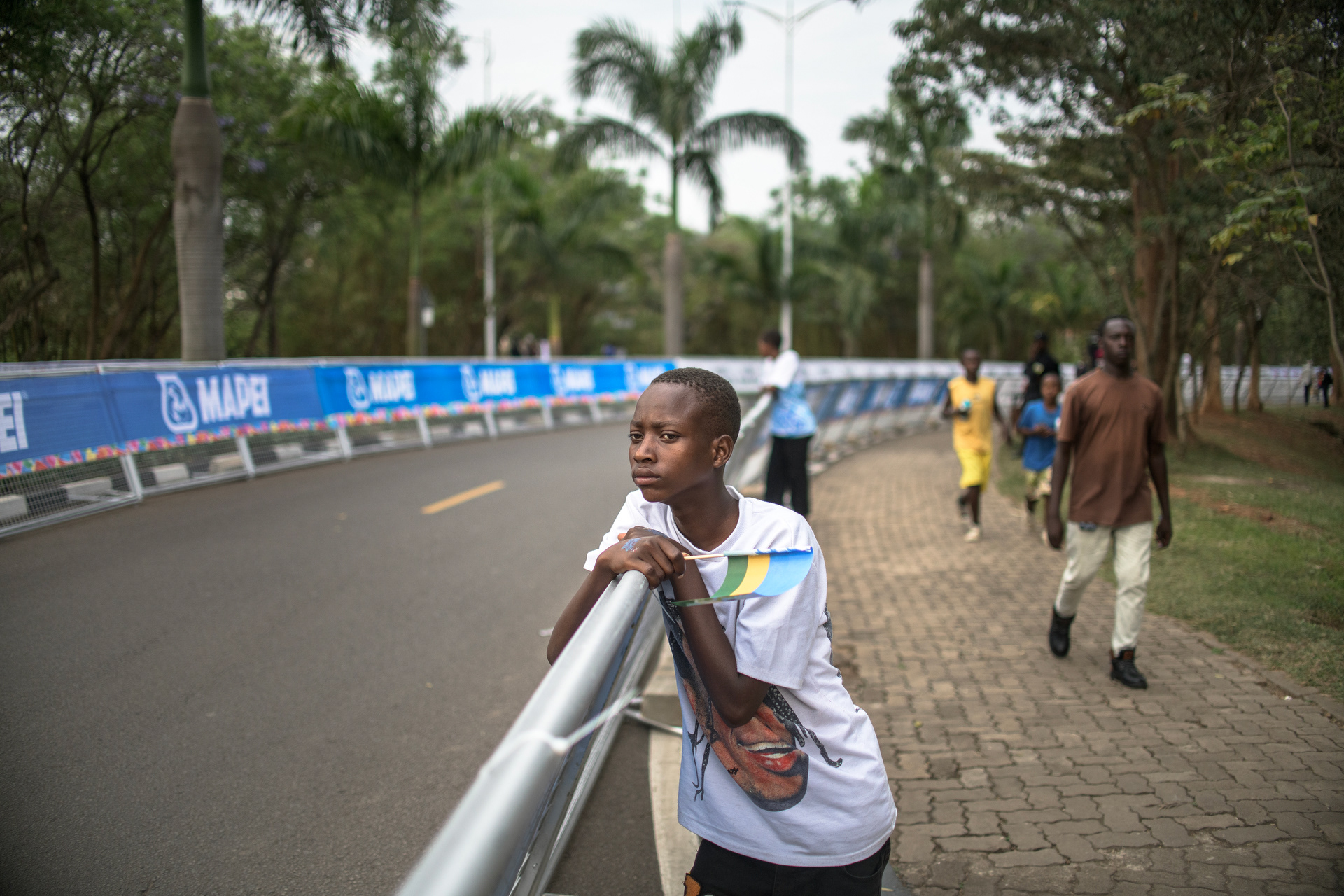
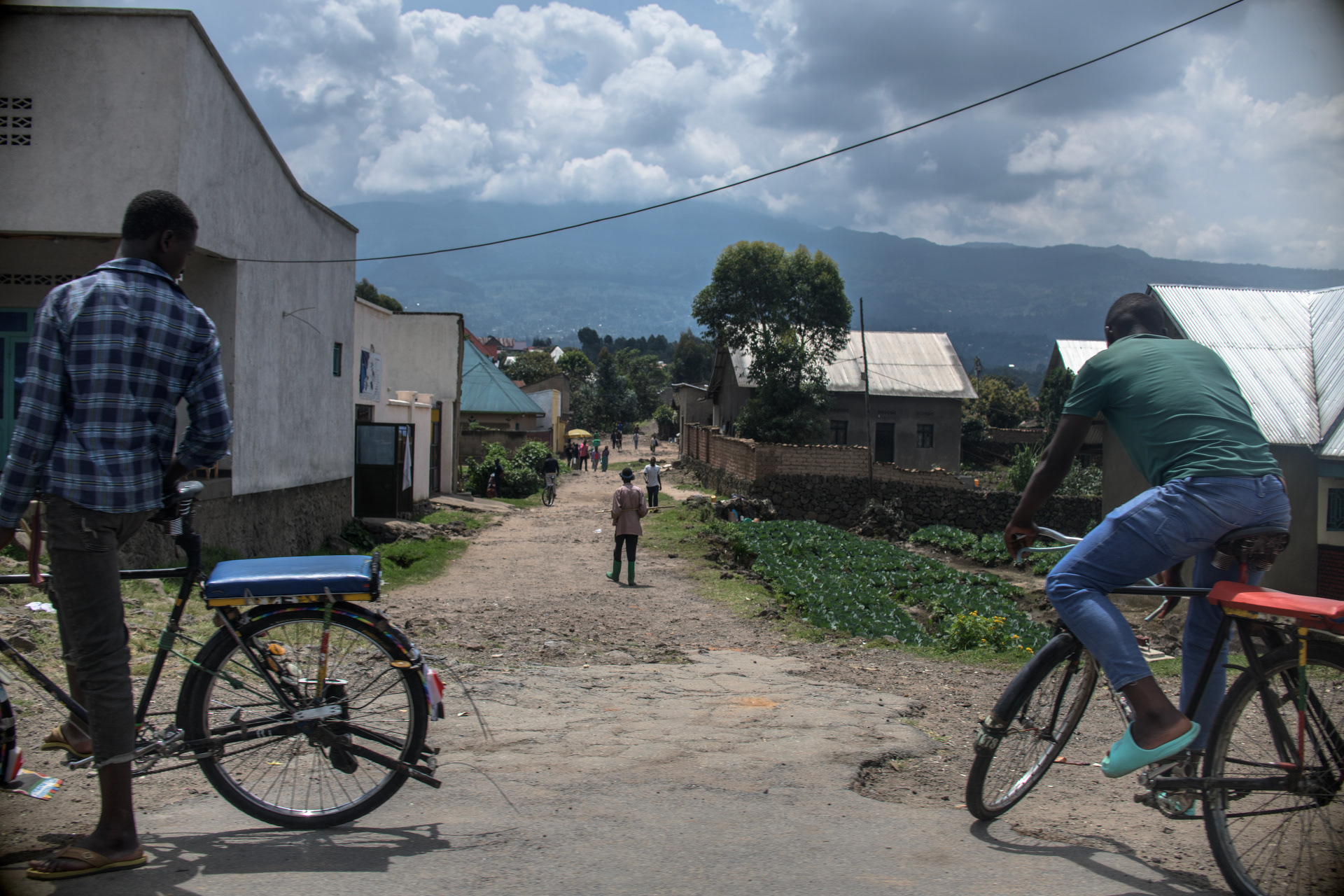
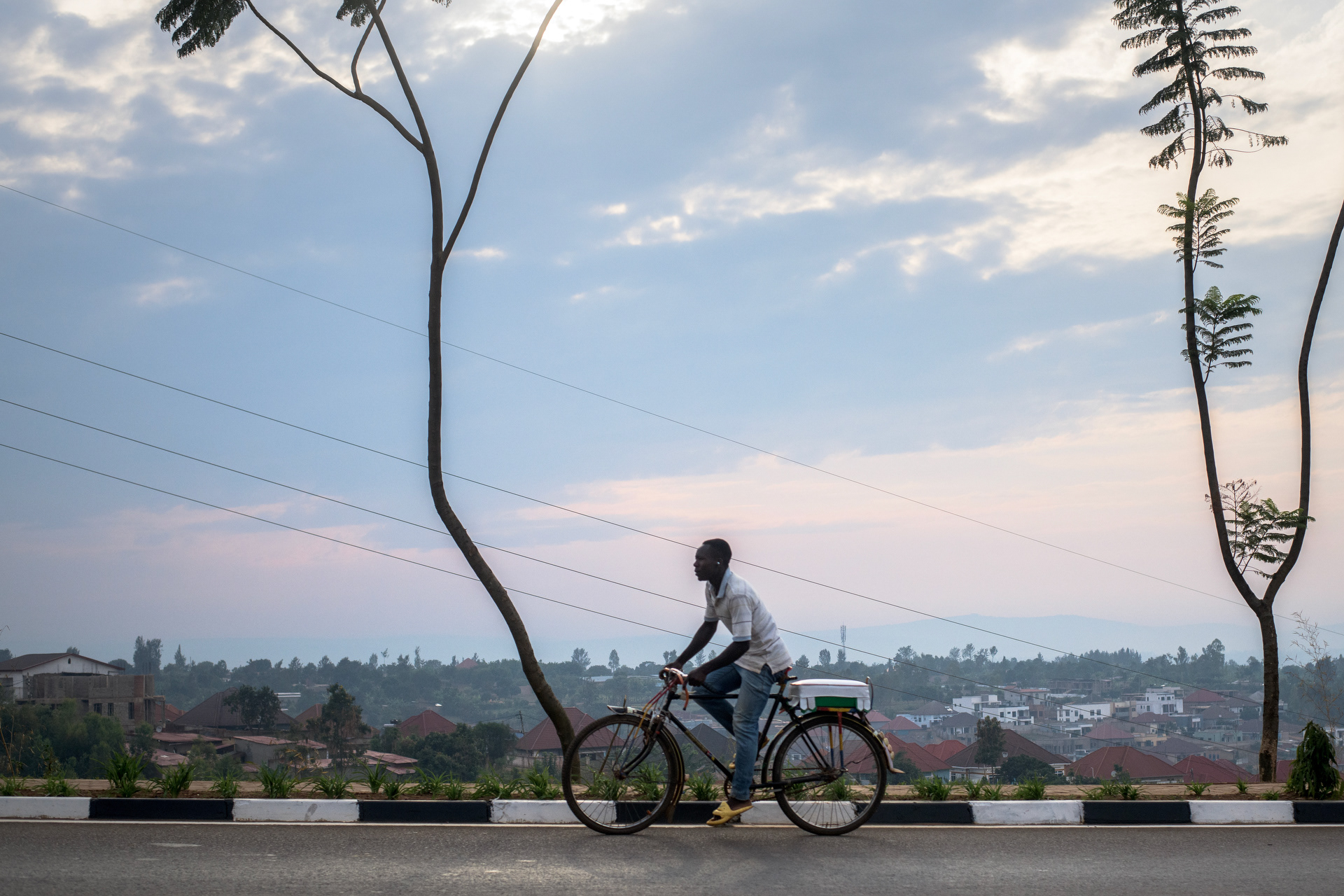
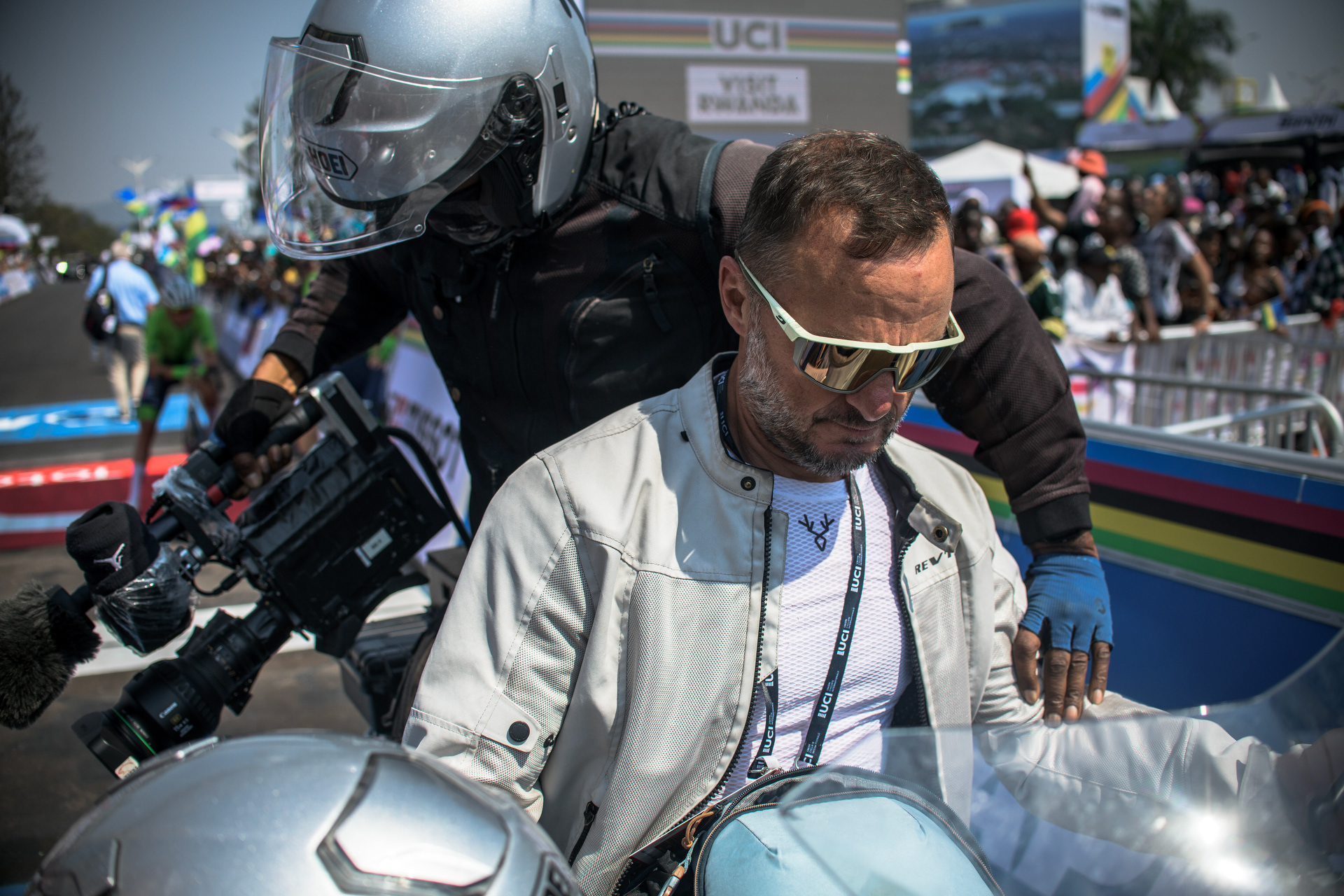
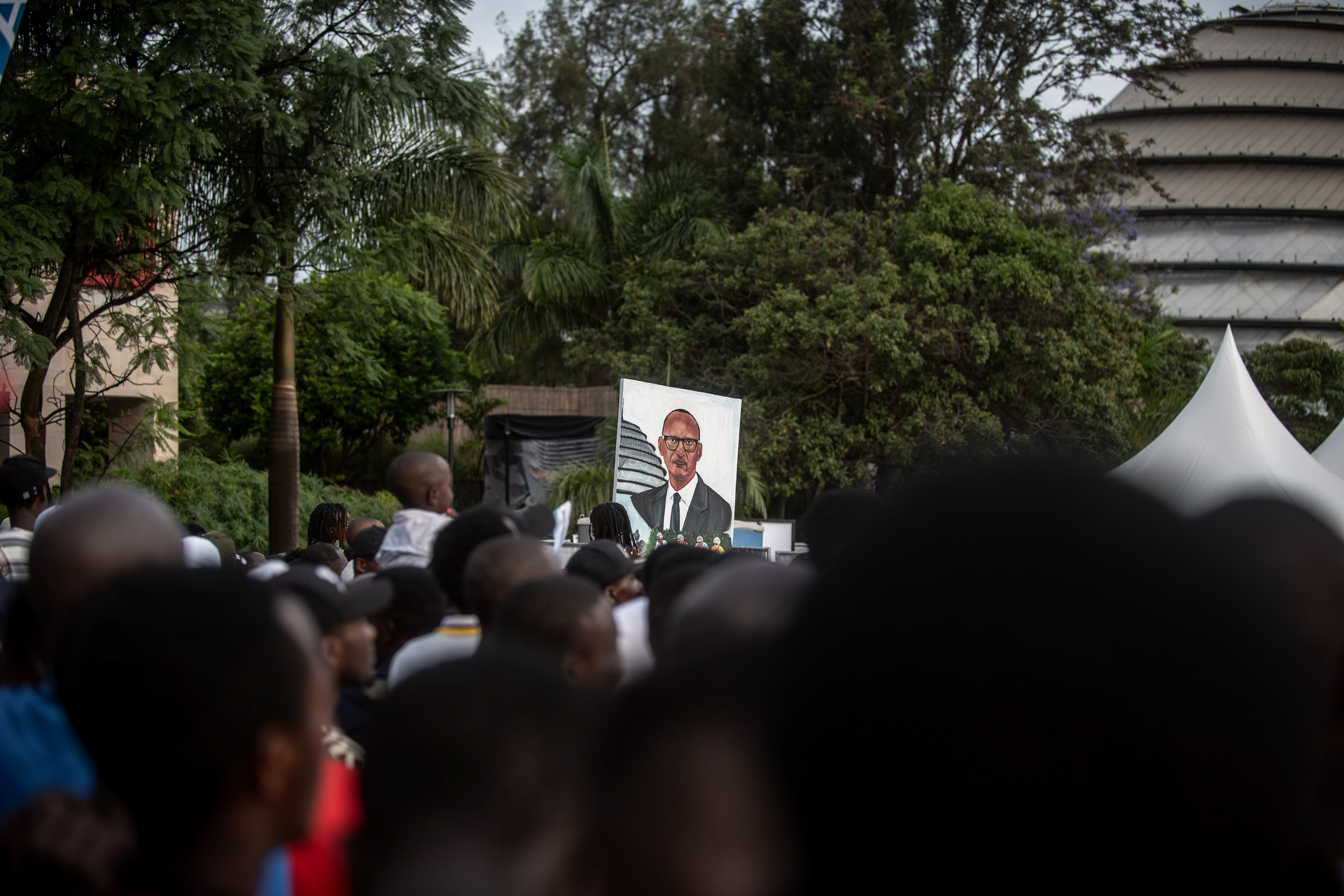
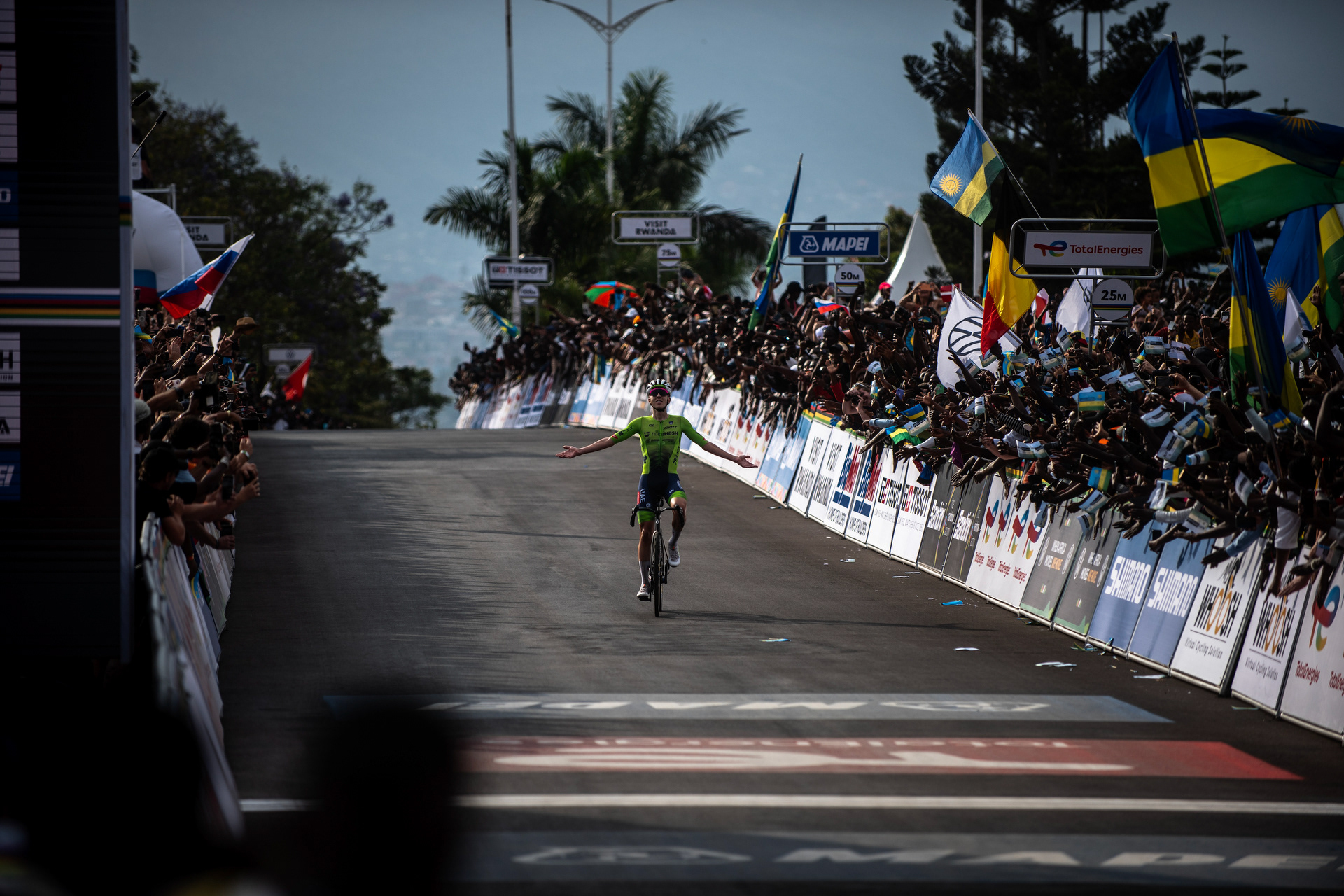
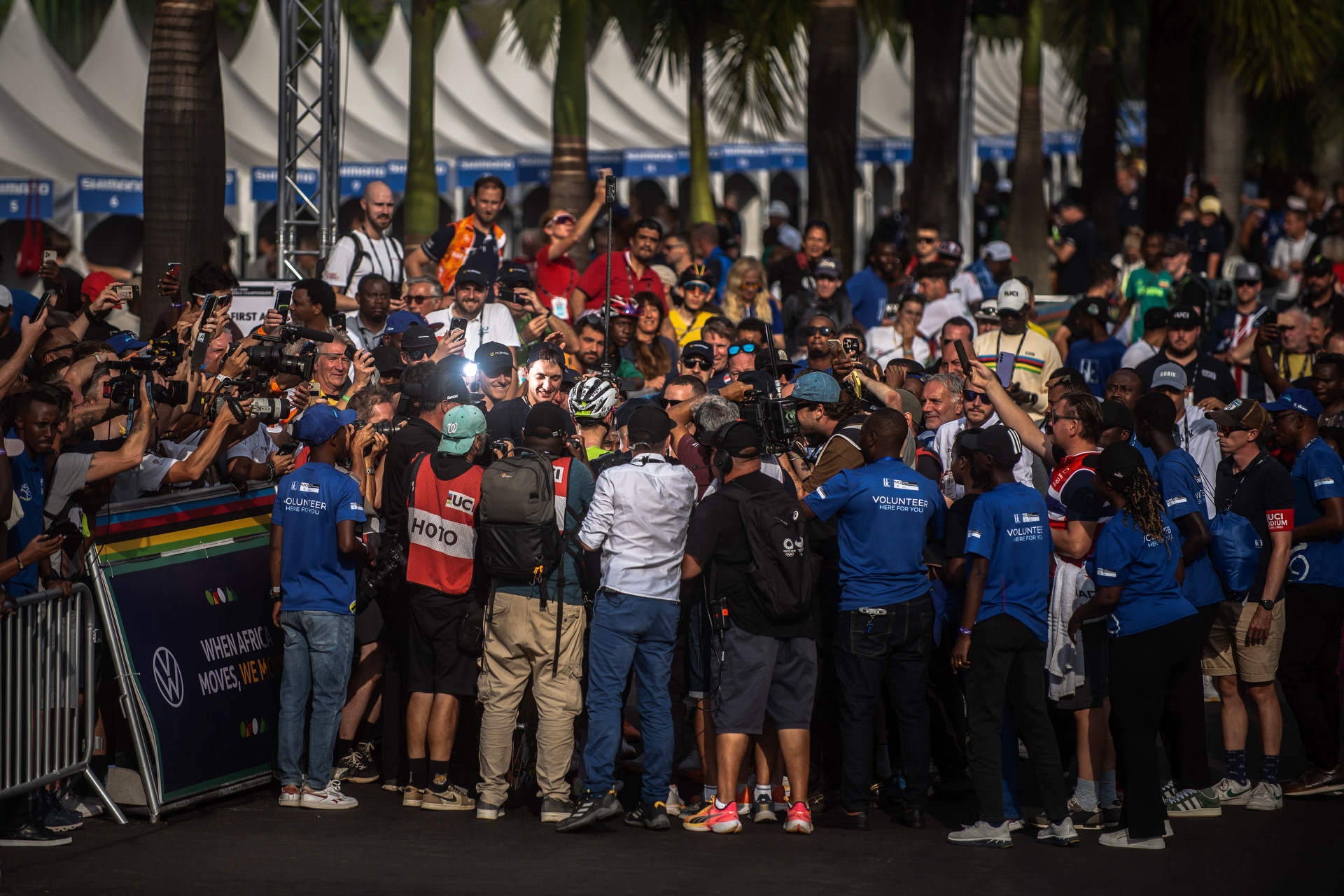
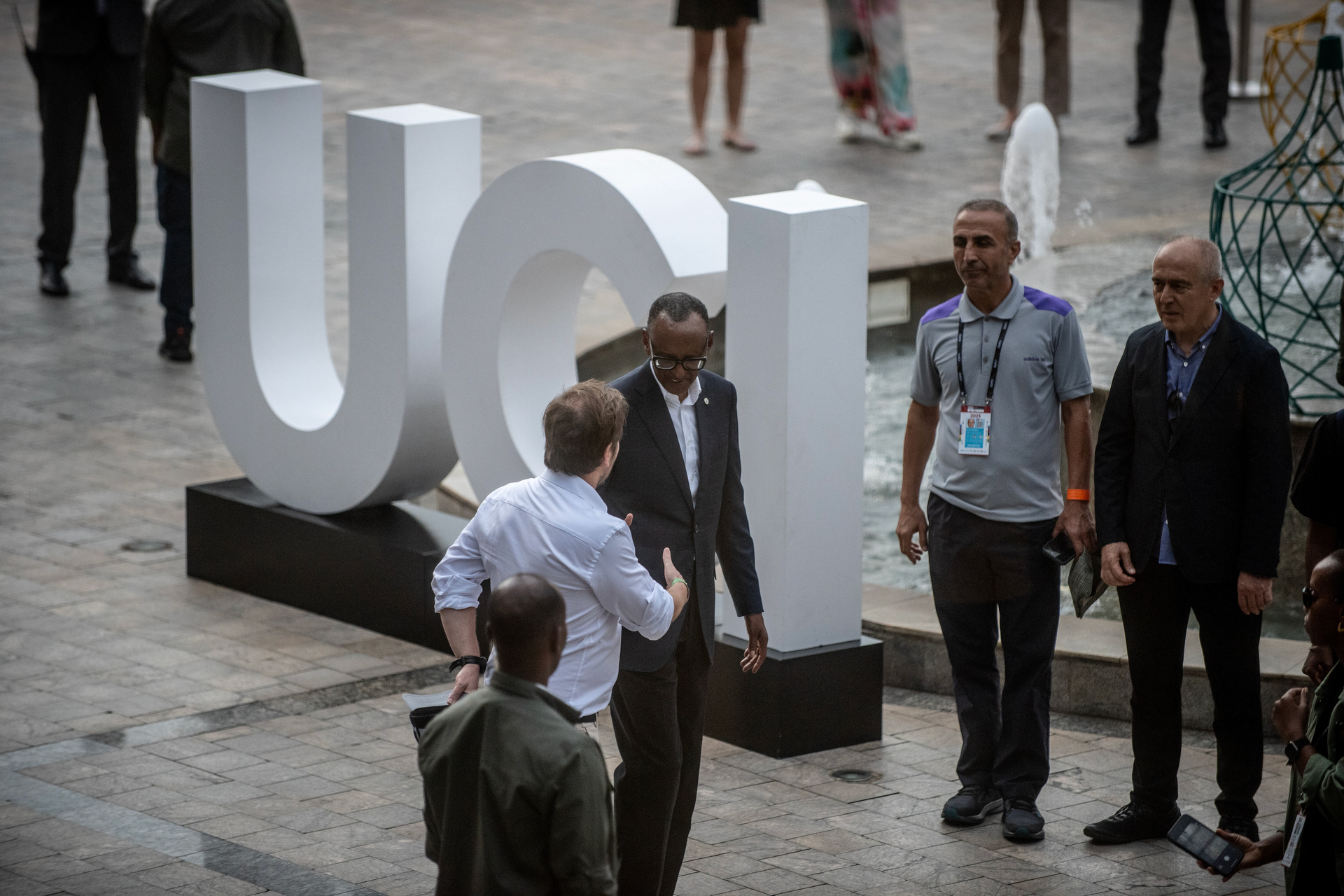
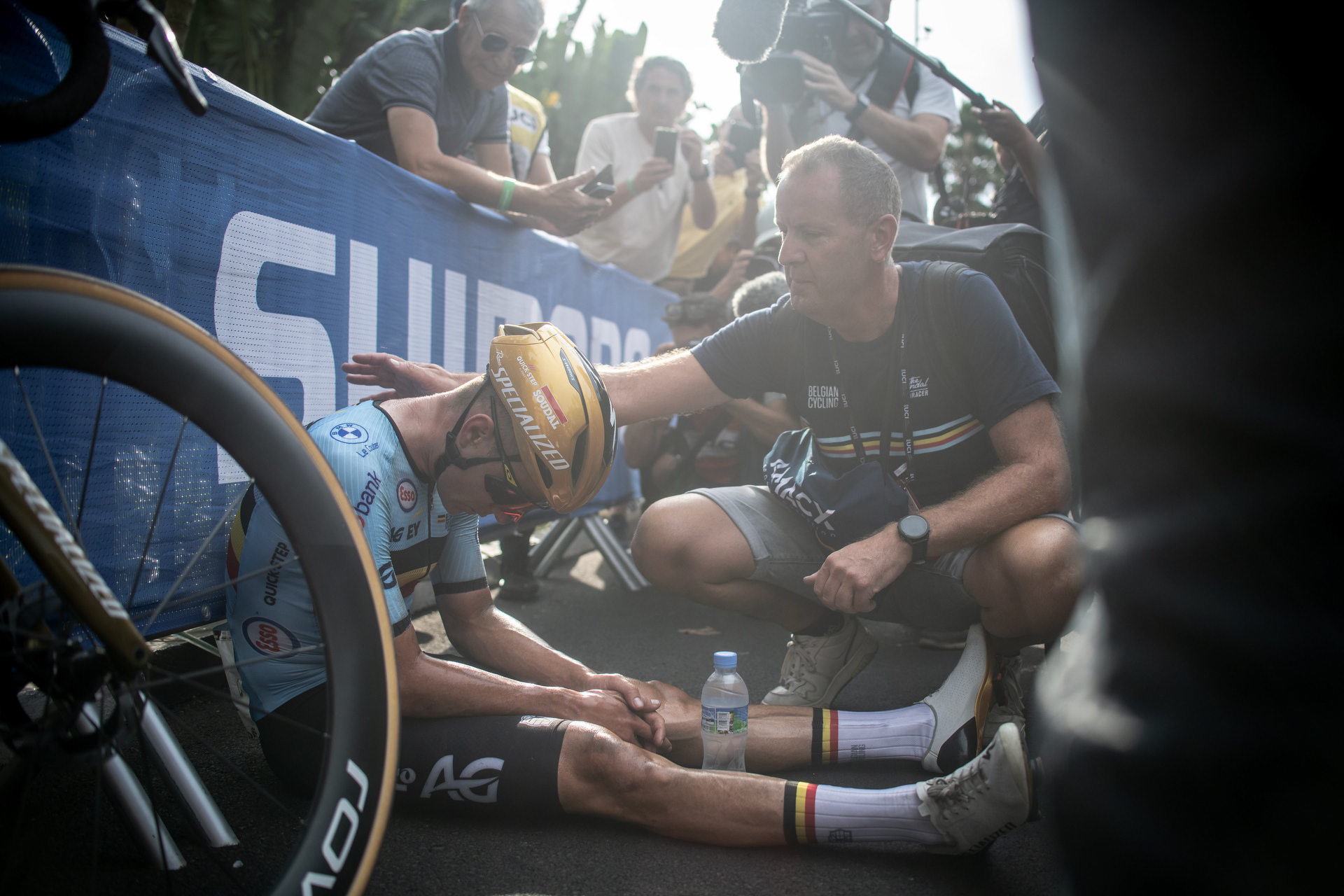
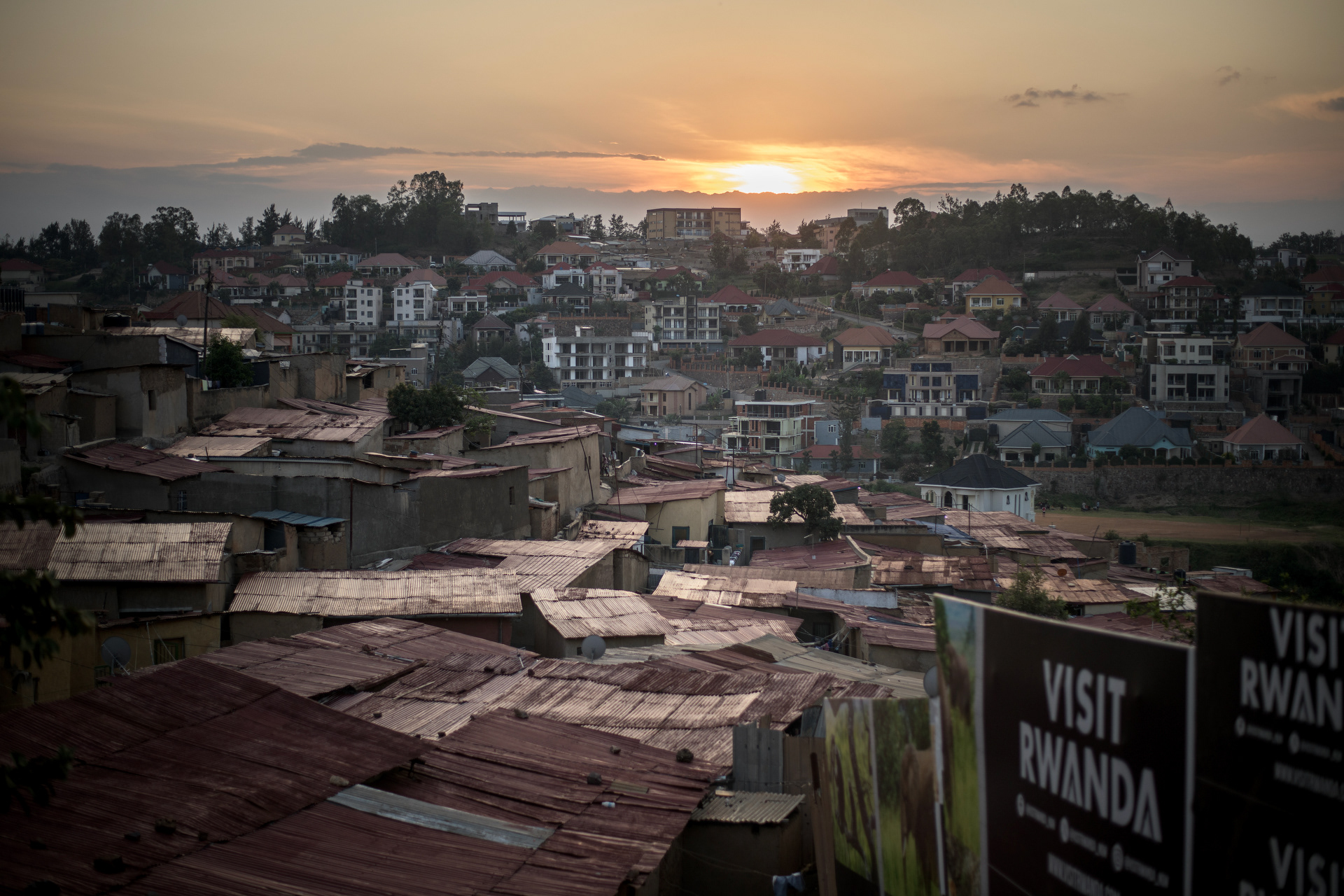
The 2025 Road Cycling World Championships took place in Kigali, Rwanda, a setting shaped by both a painful past and an extraordinary story of resilience. As the world’s attention turned to the excitement of elite cycling, the event unfolded in a country whose history cannot be separated from the present moment.
In 1994, Rwanda experienced one of the most devastating genocides of the 20th century. In the span of approximately 100 days, an estimated 800,000 Tutsi and moderate Hutu were systematically murdered. The genocide left deep and lasting wounds, destroying families, communities, and social trust. Its legacy continues to shape Rwanda’s national identity, political landscape, and collective memory, making it an essential context for understanding the country today.
More than three decades after, hosting a major global sporting event in such a context inevitably invites reflection. While the championships offer an opportunity to showcase progress, unity, and national pride, they also prompt critical questions about the role of sport on the world stage. In particular, the event raises concerns about how international competitions can be used as political instruments, potentially serving to reshape global perceptions and distract from ongoing human rights and governance debates.